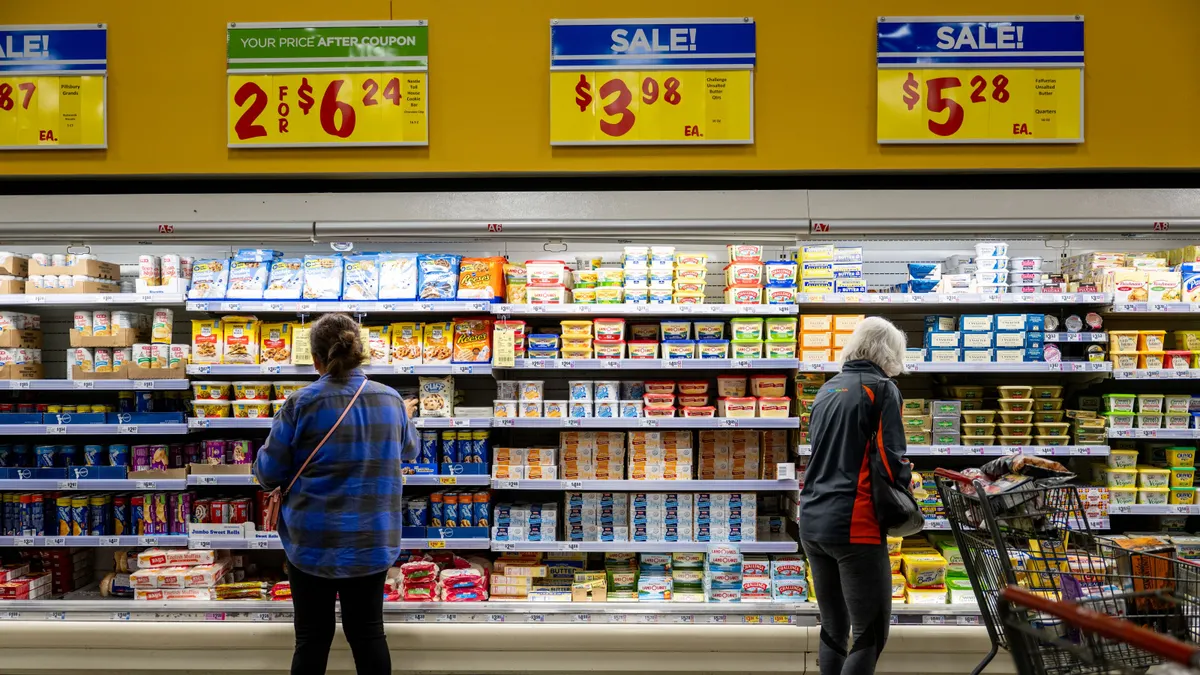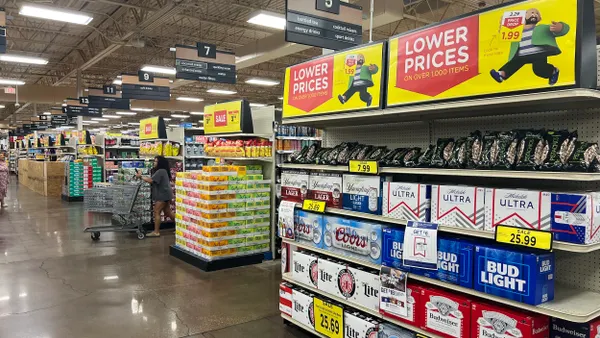
With an uncertain macroeconomic environment calling the shots, grocers are working overtime to better communicate value to their consumers. Whether further discounting private label products or working with manufacturers to lower the price of fresh meat, grocers must make shoppers feel like their local supermarket is on their side.
Underscoring the affordability concerns facing retailers: The price of a routine grocery stock-up basket jumped nearly 27% between 2020 and 2026, to $366, according to a report from consulting firm Acosta, which noted that consumers are using promotions, scrutinizing products and being finicky about brand loyalty.
Unit sales have been a struggle for grocers lately. The number of grocery products sold in the U.S. declined by nearly 2% in June compared with the same period a year ago, according to NielsenIQ data compiled by management consulting firm Bain & Company. That marked the fifth consecutive month of negative unit growth as shopper pullback has outpaced pricing growth and inflation, Bain found.
Already, several traditional grocers, including Publix, Kroger and Albertsons, have recorded anemic comparable-store sales growth for their most recent quarters — underscoring the pressure retailers are facing as consumers’ buying habits shift.
Merger and acquisition activity has also picked up, but on a more regional level. Kroger is looking to acquire Giant Eagle, Harps Foods is moving into neighboring states through an 18-store acquisition and The Giant Company scooped up two family-owned grocery stores.
Here are seven big questions we’ll be keeping a close eye on through the end of 2026.
What will happen with state SNAP waivers?
Over a dozen states have received approval from the USDA for waivers that allow them to set restrictions on the types of items that SNAP participants can spend their benefits on. But a federal district court judge’s ruling in June that the USDA exceeded its authority in granting waivers for Colorado, Iowa, Nebraska, Tennessee and West Virginia creates uncertainty for the remaining states that have had waivers approved by the USDA as well as for the states with pending waiver requests.
The Food Research & Action Center, a nonprofit focused on poverty-related hunger, noted in a blog post that while the court’s decision only applies to the five states named in that lawsuit, the ruling could affect other approved SNAP restrictions relying on the same legal and procedural decisions by the USDA.
How will the uncertainty of fluctuating energy prices impact grocers’ performance?
The last thing price-conscious consumers need is high gas prices — but this problem is a double-edged sword for grocery retailers.
Grocers’ back-end operations are also impacted by high energy prices brought on by the war with Iran. So not only are supermarkets faced with their customers pinching pennies in the aisles, but they are also grappling with “immediate increases through fuel surcharges, freight contracts and higher input costs,” Andy Harig, FMI — The Food Industry Association’s vice president of tax, trade, sustainability and policy development, wrote in a July blog post.
Grocers also need to consider the fact that even if oil prices decline, relief will not be immediate because while energy prices can move quickly, food prices seldom do, Harig wrote.
But with back-end operations costing more and no wiggle room to increase prices, grocers’ are left in a tough spot.
Some retailers are finding ways to make the best of the situation by offering fuel-centered discounts to win over shoppers. BJ’s Wholesale Club, for example, sold regular gas for just $2 a gallon when it debuted its first Texas location in April. But while that price was well below both the statewide and national average at the time, the promotion was set only for opening day.
In July, Save Mart and Lucky announced the launch of a savings event on fuel that allows its loyalty program members to redeem rewards points and save as much as $1 per gallon at certain Shell stations.
How will grocers continue to respond to an increasingly pressured consumer?
Communicating value to customers remains crucial, especially for traditional grocers trying to avoid losing shoppers to the likes of Walmart and Aldi. Even if food-at-home inflation isn’t at record highs, as it was in 2022, consumers are still feeling the pressure and looking for ways to spend less on groceries.
However, low-price messaging alone isn’t cutting it anymore. Only a small fraction of grocery shoppers believe their primary store offers low prices compared with other stores, according to research published by management consulting firm AlixPartners at the start of the year.
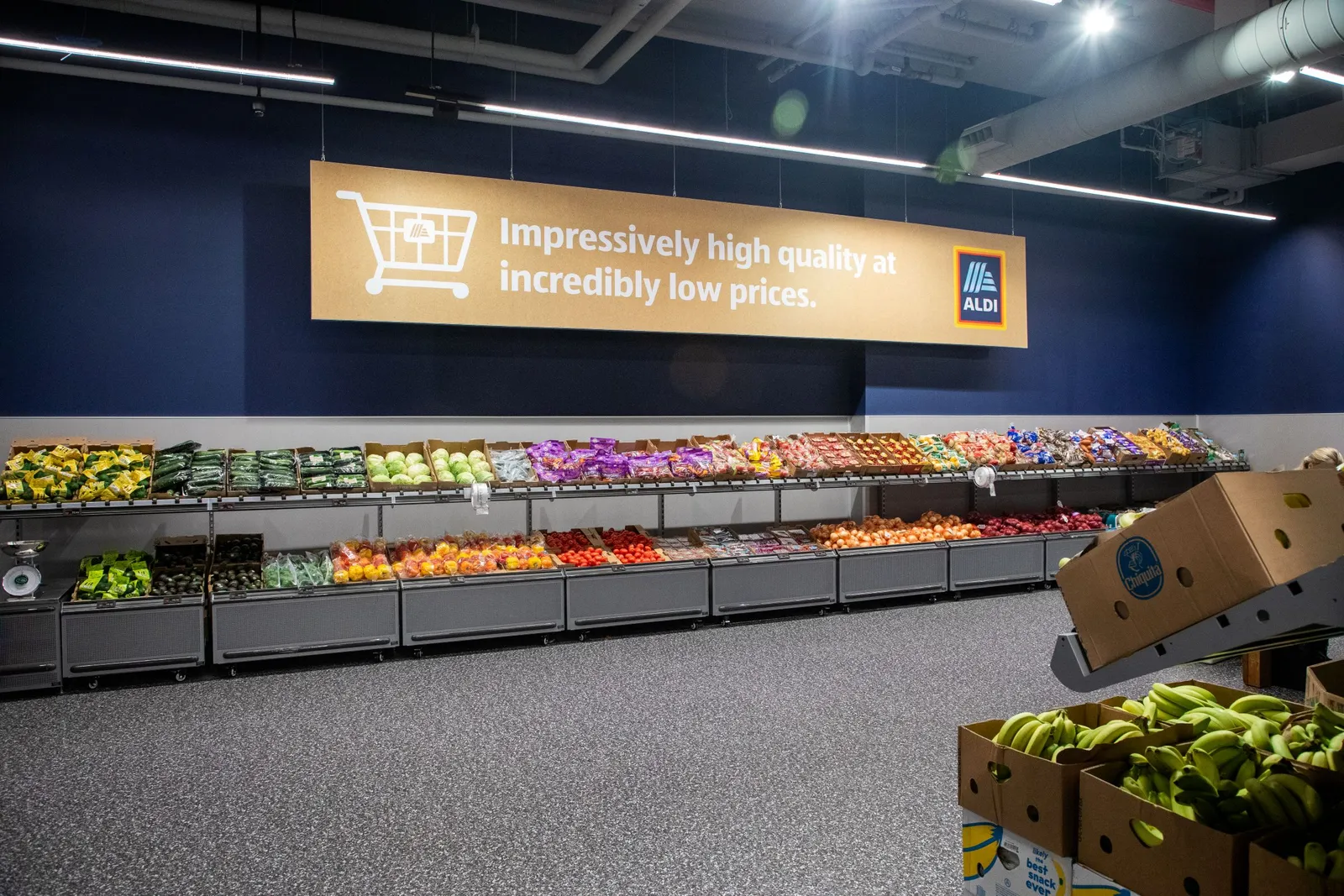
Grocers have relied heavily on price cuts to deal with this challenge. This summer, Giant Eagle temporarily lowered prices on 300 items, Walmart cut prices on a wide variety of groceries and Ahold Delhaize USA confirmed that all of its Stop & Shop stores have lowered prices.
Grocers are also looking more closely at their loyalty programs, with The Fresh Market and Wakefern Food Corp. revamping their membership structures. Meanwhile, Fresh Thyme Market introduced a new point system, Raley’s Family of Stores added new benefits and Lidl US started letting shoppers accumulate points that they can redeem for free products.
Consumers’ frugality isn’t just driven by food-at-home inflation , but is also a response to cost pressures they are facing across areas like healthcare, housing and energy. This underscores the importance of grocers continuously making the case to customers that their stores provide the best value — even if their prices aren’t as low as Walmart’s.
Will Kroger’s planned acquisition of Giant Eagle spawn other transactions?
Kroger and Albertsons’ attempt to merge was arguably the biggest M&A deal in the grocery industry over the past decade. Announced in October 2022, the deal collapsed in December 2024. But now, Kroger seems to be rising from the ashes and is ready again to use its buying power to grow. This time, however, it’s looking to acquire well-established regional player Giant Eagle instead of a national player.
This begs the question of whether other big-name grocers will also look to expand through M&A.
Albertsons is currently devoting attention to major changes, including the introduction of a new operating model, and is preparing for the retirement of its president and CFO at the end of the year. Another challenge for the company is that it saw negative comparable-store sales growth and flat overall sales during its most recent quarter.
Ahold Delhaize USA, while technically a regional operator, could potentially look to grow its footprint beyond the country’s Eastern Seaboard. But ADUSA is currently focused on ramping up its internal operations, from growing its self-distribution network to remodeling stores across its five banners to leaning further into e-commerce.
It’s important to note, however, that this year’s M&A activity has been defined by small-scale transactions. These deals include the pending acquisition of King Kullen by Giunta’s Meat Farms and Ridley’s Family Markets’ purchase of Terrels Markets.
How widespread will dynamic pricing regulation become?
Amid a push by consumer advocates, the United Food and Commercial Workers International Union and other groups, a growing number of states have passed legislation aimed at restricting how grocers use shopper data to set individualized prices.
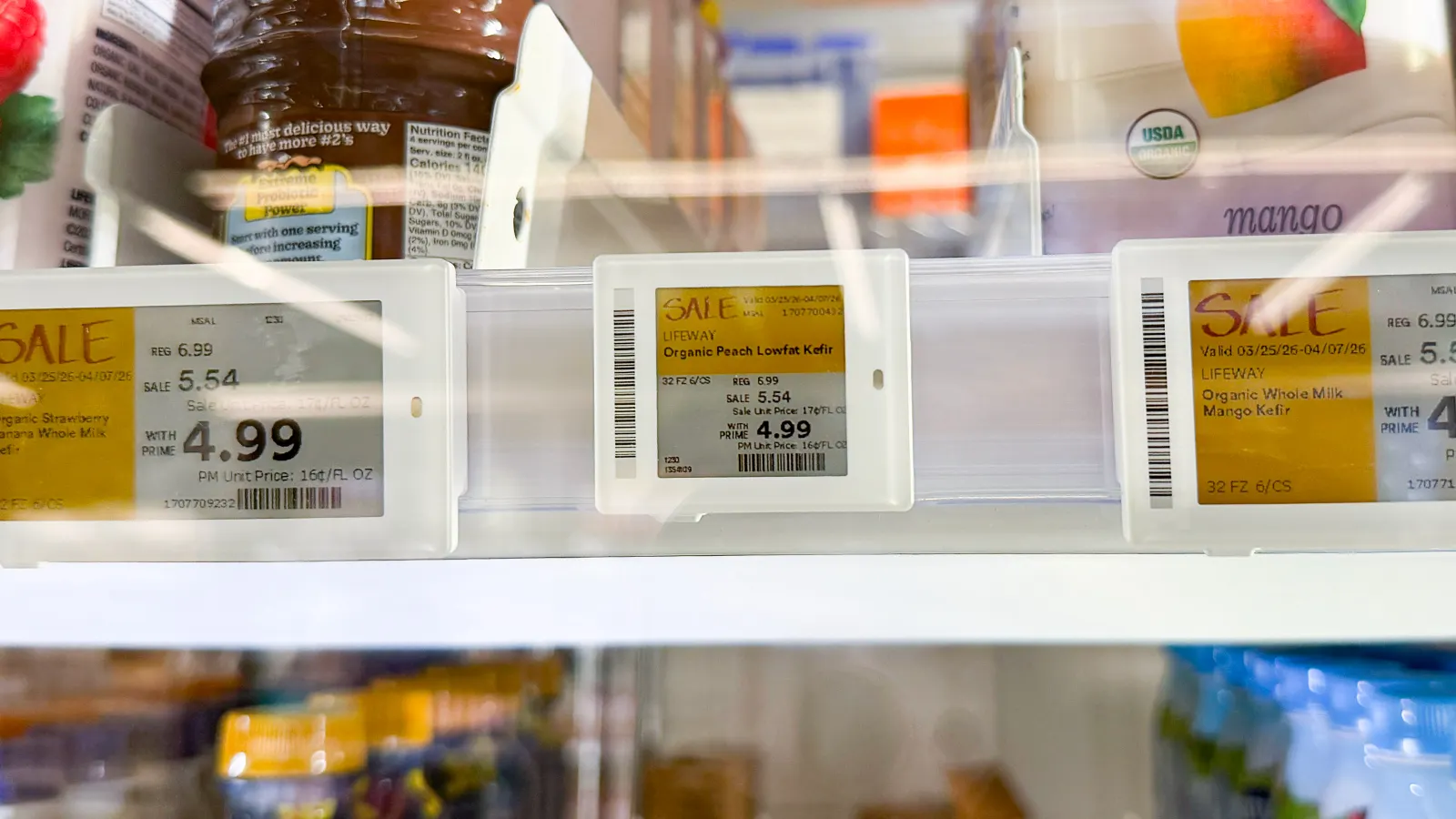
Additional states and several cities, such as Seattle, are also reportedly considering similar legislation, and federal lawmakers held a hearing earlier in August to bring attention to retailers’ pricing strategies, which some advocacy groups are calling predatory. It’s still unclear how effective these regulatory efforts will be — or if Congress will advance proposed legislation that would set restrictions on pricing practices. The Federal Trade Commission is also looking into the issue.
One takeaway that has emerged from the legislation that has already been passed is that states have not taken a one-size-fits-all approach to how they ban businesses from using consumer data to set individualized prices. New Jersey’s newly passed law, for example, does not impact how retailers set prices for loyalty program members or for discounts “offered to broadly defined groups,” such as teachers or veterans. Meanwhile, Maryland’s law underwent significant revisions before it was passed that some groups claim could limit its shopper protections.
Will Albertsons remain intact — or will a buyer come along for part of the company?
At just over $12 per share as of Tuesday morning, Albertsons’ share price makes the grocery company a potentially prime target for interested buyers. The company’s shares have fallen sharply since its disclosure in July that it would revamp its operating model. On the day Albertsons unveiled those changes, which include consolidating divisions into four regions and centralizing its merchandising, investors bid Albertsons’ stock price down by more than a fifth. The company’s stock is now worth considerably less than it was when it went public in 2020.
In response to an analyst’s question during its first-quarter earnings call about whether Albertsons would consider “strategic alternatives” — which often means “looking for a buyer” — CEO Susan Morris gave a noncommittal answer: “From a strategic alternatives perspective … of course we’re always making sure that we’re considering every angle when we think about delivering shareholder value, but that’s not the primary discussion that we’re having today.”
It remains to be seen if history will repeat itself. Just a few months after Albertsons said in early 2022 that it was “evaluating strategic alternatives,” the ill-fated Kroger deal emerged.
How successful will grocers be in making suppliers absorb increased costs?
To boost their appeal to consumers battered by inflation, several grocers have shared that they see their supplier partners as key players in helping to shoulder some of the cost increase.
During Kroger’s most recent earnings call, CEO Greg Foran said the grocer will “press harder on supplier negotiations and lean further into direct sourcing” to lower the prices of the goods it sells, while Morris said Albertsons plans to negotiate with manufacturers to help keep prices down.
“We’re going to be pushing our vendor partners very hard to absorb those costs on their own. We’re being very clear today with our goals on right-sizing our value proposition … We expect them to lean in,” Morris said.
Piggly Wiggly Food For Less, a 14-store chain in the Southeast, recently said it worked with manufacturers “willing to invest in lower prices” in order to launch a program focused on affordable protein. To incentivize manufacturers, the chain said it gives participants expanded shelf space, additional advertising opportunities, increased in-store displays, featured promotions and greater exposure across its social media channels.