This year’s Groceryshop conference took place during a challenging period for industry innovation and technology. Fears surrounding artificial intelligence are high, while falling comp sales and financially strained consumers have seemingly made retailers less enthusiastic about investing in pricey technology.
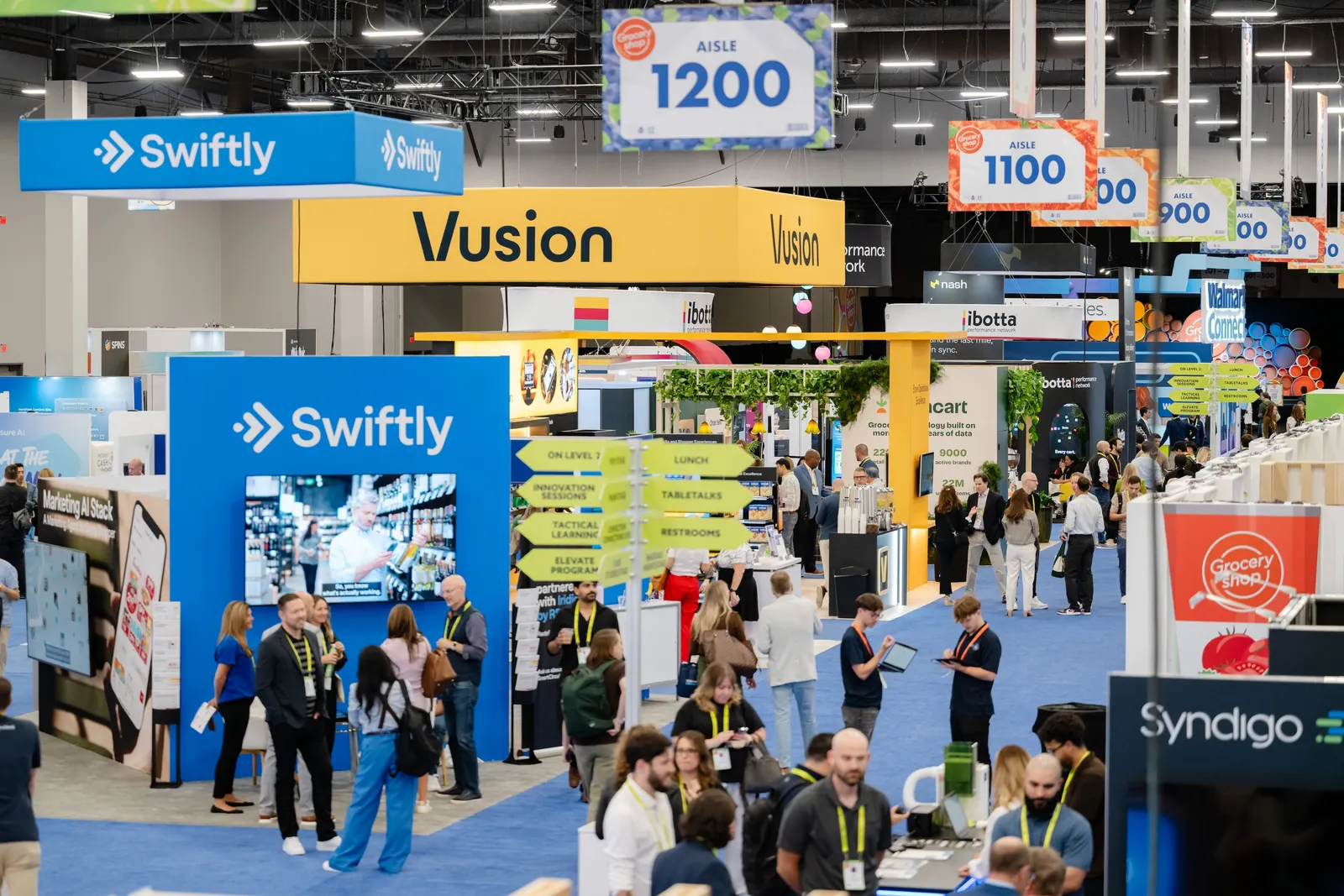
None of that dampened the mood at Mandalay Bay in Las Vegas last week, though, where the crowd mingled with vendors on the show floor and sat in on various panels and keynotes where speakers provided guidance on AI, e-commerce, retail media and more.
There was a lot of content packed into the show’s two and a half days. So which insights stood out? We’ve compiled a list of five takeaways.
AI promises to transform the shopping experience
What’s for dinner?
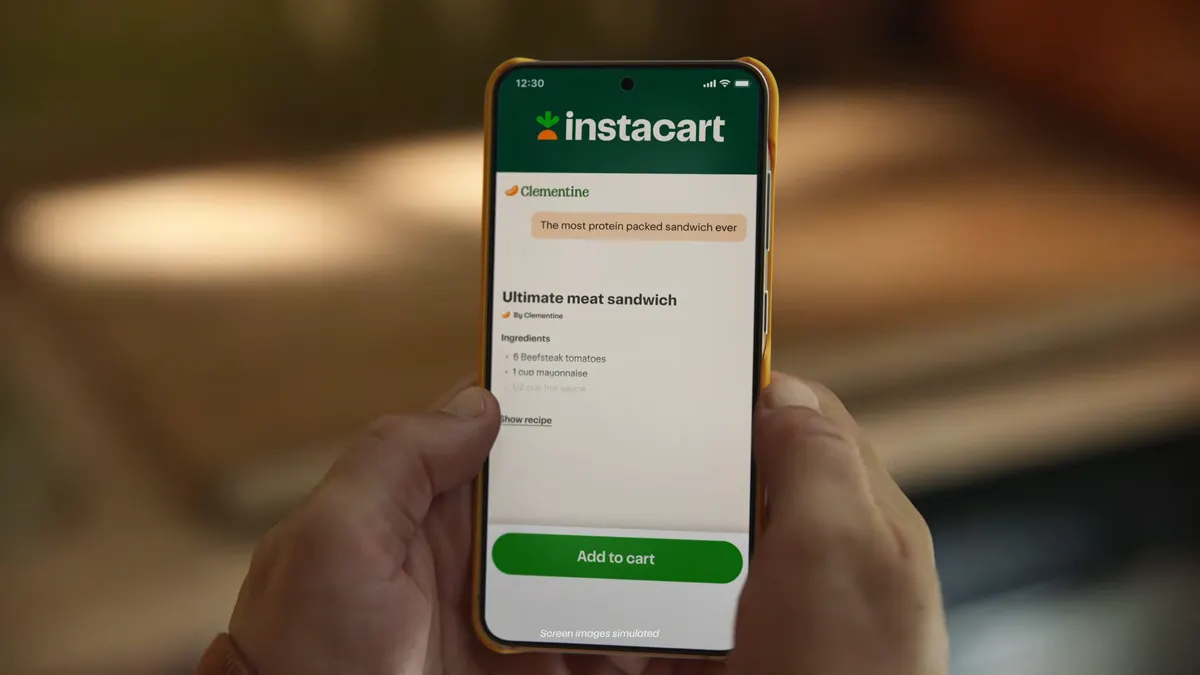
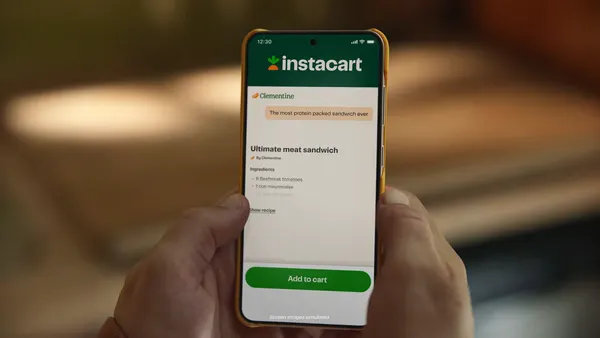
It’s a seemingly simple question, but for years grocers have struggled to help consumers answer it. That could change with the rise of AI-powered shopping tools that seek to link grocers’ vast assortments with quick, personalized guidance, according to various experts and executives who spoke at the show.
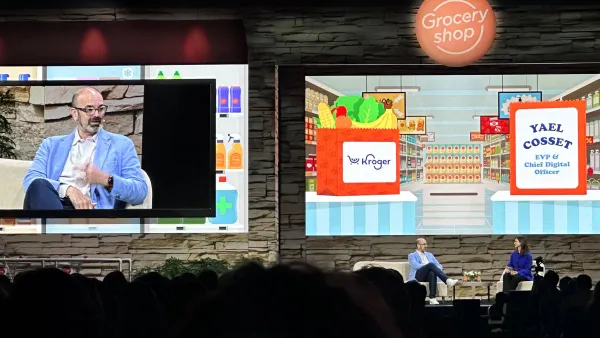
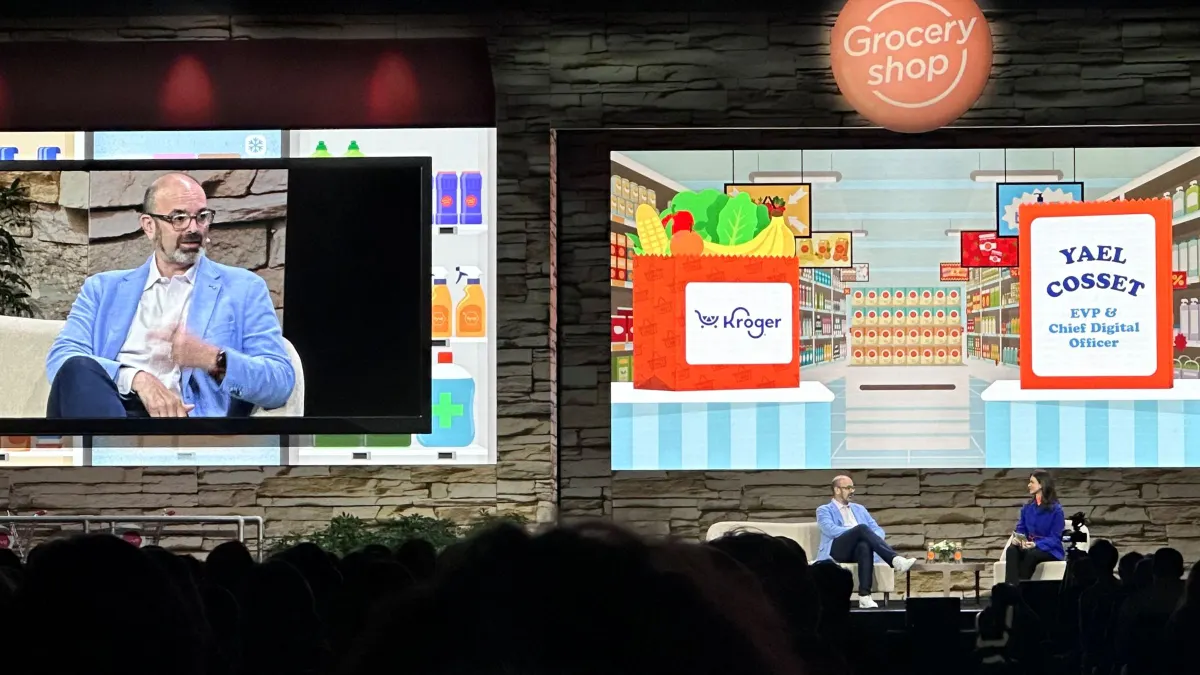
Yael Cossett, Kroger’s chief digital officer, said the supermarket chain’s AI shopping assistant is closing the gap between inspiration and purchase. He noted Kroger plans to keep evolving its assistant and will likely roll out some form of autonomous shopping capabilities in the future.
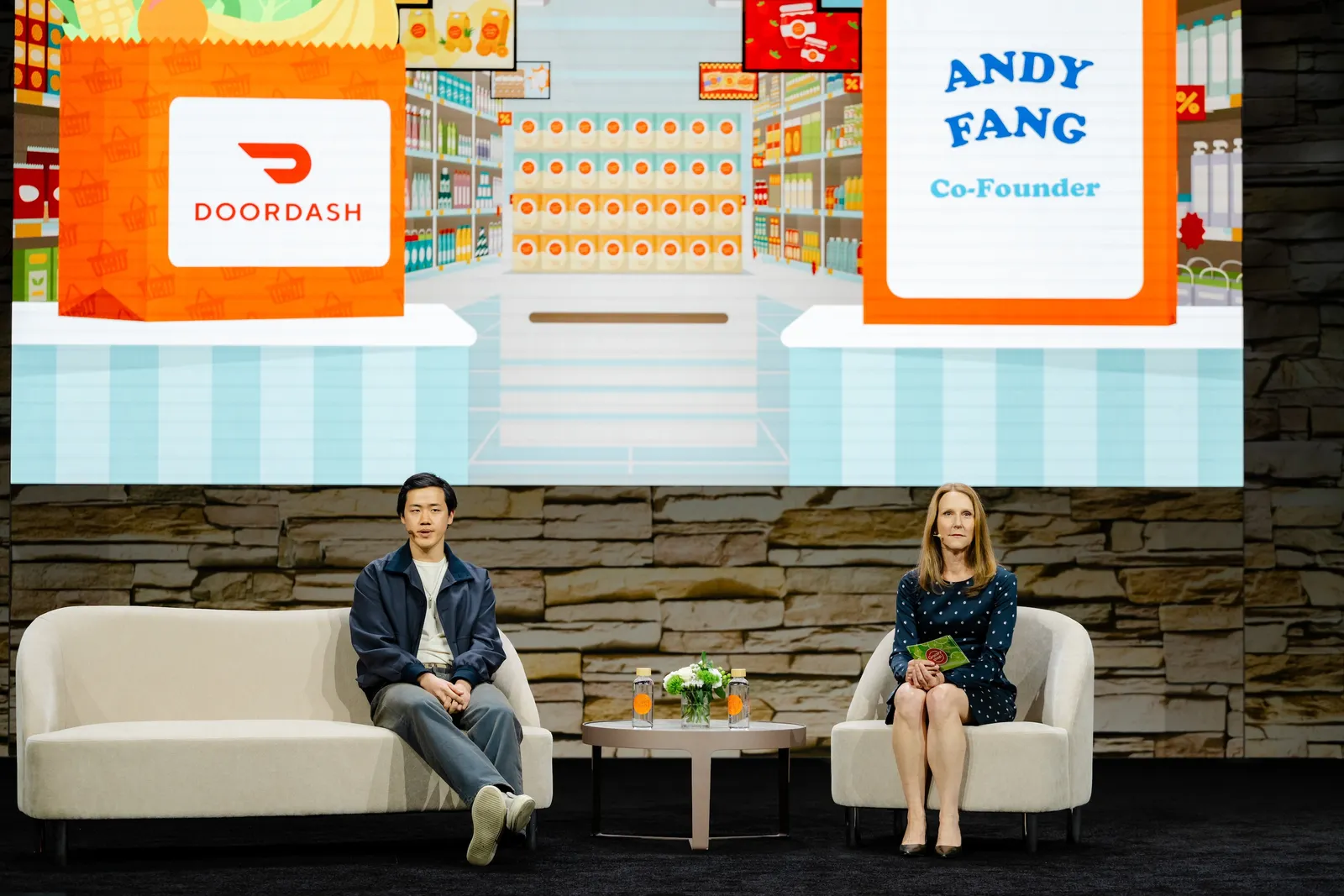
DoorDash co-founder Andy Fang said early results from the company’s Ask DoorDash AI shopping assistant include a 50% increase in cart size and the ability to check out five times faster than normal.
Instacart CEO Chris Rogers, meanwhile, said the rise of AI will transform the grocery industry more than any previous tech advancement. “I also think that grocery is going to be the category out of every retail category that’s most transformed by AI,” he said during a keynote.
But bad data could hamper grocers’ ambitions
AI feeds off data, and grocers often have data that’s incomplete and disjointed. This creates an obstacle for those that want to harness AI’s capabilities, since bad data can create bad AI experiences.
Or as numerous speakers at Groceryshop put it: garbage in, garbage out.
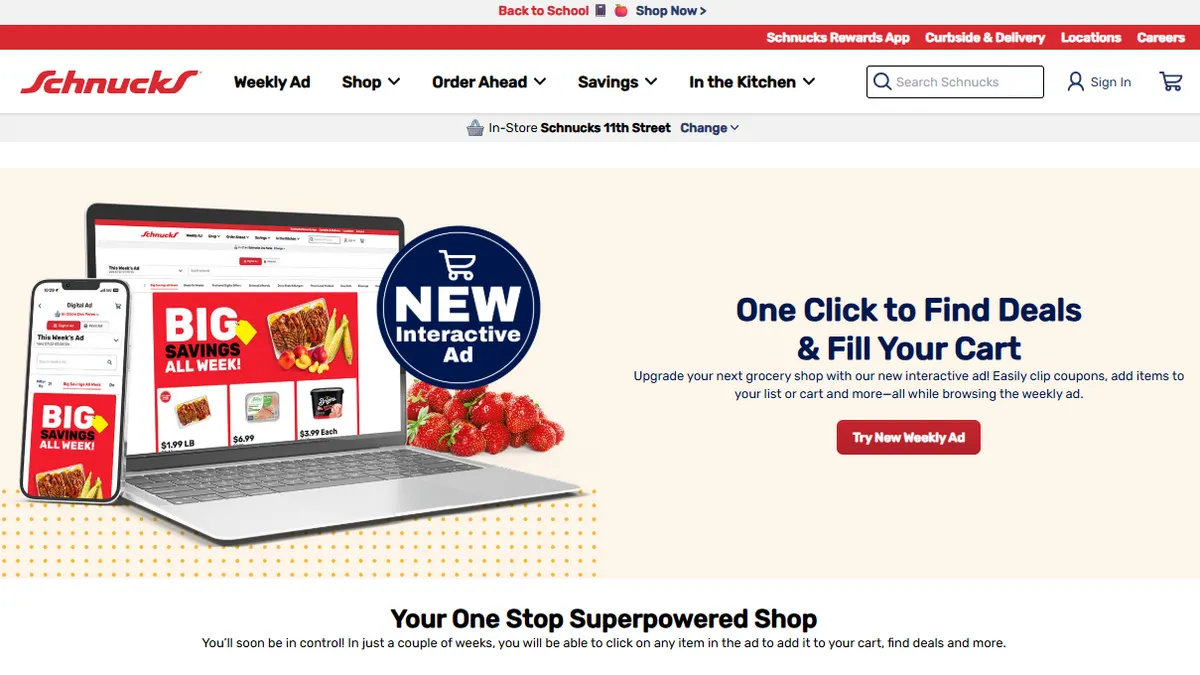
Schnuck Markets is one chain that’s embraced this challenge. The regional grocer undertook the difficult task of cleaning up its data ahead of launching its AI-powered shopping assistant this past summer. During a session at the show, Caleb Carr, the grocer’s senior director of data science and engineering, said that in addition to unifying its various data streams, Schnucks had to incorporate additional product information, gather key operational information that wasn’t written down and break down internal jargon into terms shoppers could understand.
Grocers also can’t overlook basic information that shoppers will want to know as they interact with AI assistants. When Schnucks launched its assistant, for example, it quickly realized it hadn’t provided the tool with its stores’ operating hours.
What defines value for shoppers is complex
Grocers have been lowering prices and throwing promotions at consumers in an effort to keep them in their stores. But speakers at Groceryshop noted that shopper behavior is very complex right now, and low prices alone aren’t guiding their decisions.
Nicole Collida, senior vice president and managing director for U.S. retail with NielsenIQ, noted that even though around 40% of shoppers say they’re switching to lower-priced brands, many still prioritize fresh produce, healthy products and pet items, per a show summary by Coresight Research. Shoppers are more closely scrutinizing their purchases and “spending by exception,” Collida said.
In a similar vein, Myron Frazier, Sam’s Club’s executive vice president and chief merchant, noted that value for consumers goes beyond price. What value means varies from shopper to shopper, but Sam’s Club strives to hit on a couple of different drivers with each item in its curated assortment, he said.
“Value might be quality, it may be innovation, maybe newness. It might be discovery … and the best items for us, they deliver on more than one of those things at once,” Frazier said during a keynote session.
Retailers don’t want to lose digitally engaged shoppers
Omnichannel shoppers are very valuable to grocers. In a presentation detailing Giant Eagle’s efforts to connect its store and online operations, Shweta Prabhu, a digital executive with the company, noted that the chain’s omnichannel shoppers have a 30% higher lifetime value than single-channel shoppers.
“Every dollar that we invest in making that experience seamless for our guests is one that will keep our most valuable customers coming back to us,” said Prabhu, who is Giant Eagle’s vice president of digital, e-commerce, martech, loyalty, data analytics and AI, and enterprise systems.
The tricky part is retaining these customers online, where it’s easy for them to switch retailers from the comfort of their home. As price sensitivity continues to rise among even affluent shoppers, grocers risk losing shoppers to competitors like Walmart and Amazon that offer lower prices as well as services like rapid delivery.
To that end, Instacart is lobbying retailers it works with to offer online pricing that’s the same or slightly above what’s in stores. This is a difficult step for grocers to take, since it cuts into their profitability, and Rogers acknowledged during his keynote that the conversations between the tech company and retailers have been difficult.
But the strategy appears to be working, with Instacart reporting this week that 90% of U.S. shoppers now have access to a price parity retailer on its platform.
Organizational silos are still a challenge
Grocery businesses aren’t ordinarily designed to also serve as technology developers. But with the rise of omnichannel shopping, e-commerce services, store apps, retail media and now AI, they have had no choice but to adapt.
Multiple grocery executives took the stage over the course of Groceryshop to discuss the challenge of breaking down organizational silos that can slow or even halt omnichannel success. But this isn’t just a back-end problem; it’s a consumer-facing one as well.
A digital experience needs to match the in-store one, and all departments need to be on board. For example, Lowes Foods is currently working to ensure its in-store point-of-sale system is consistent across platforms, Chad Petersen, the chain’s senior vice president of digital and e-commerce, said during a panel discussion.
Giant Eagle Vice President of Digital, E-Commerce and Customer Analytics Heather Feather said during that same panel session that the regional grocer recently brought its digital and e-commerce operations within the company’s marketing and merchandising organization about a year ago to “unlock a lot of capabilities.” This move has helped establish common goals throughout the company, ensuring all departments are moving in the same direction while also bridging e-commerce’s heavy technology component with more traditional marketing and merchandising operations, she said.
“No store receives as much weekly traffic as our website and mobile app does, and so I think that’s a great reframe for all of us and our partners as we think about investment and priorities,” Feather said.