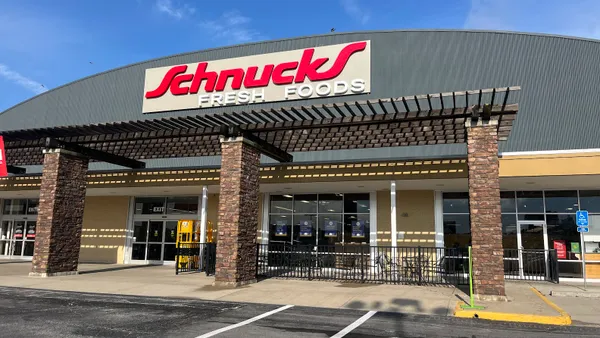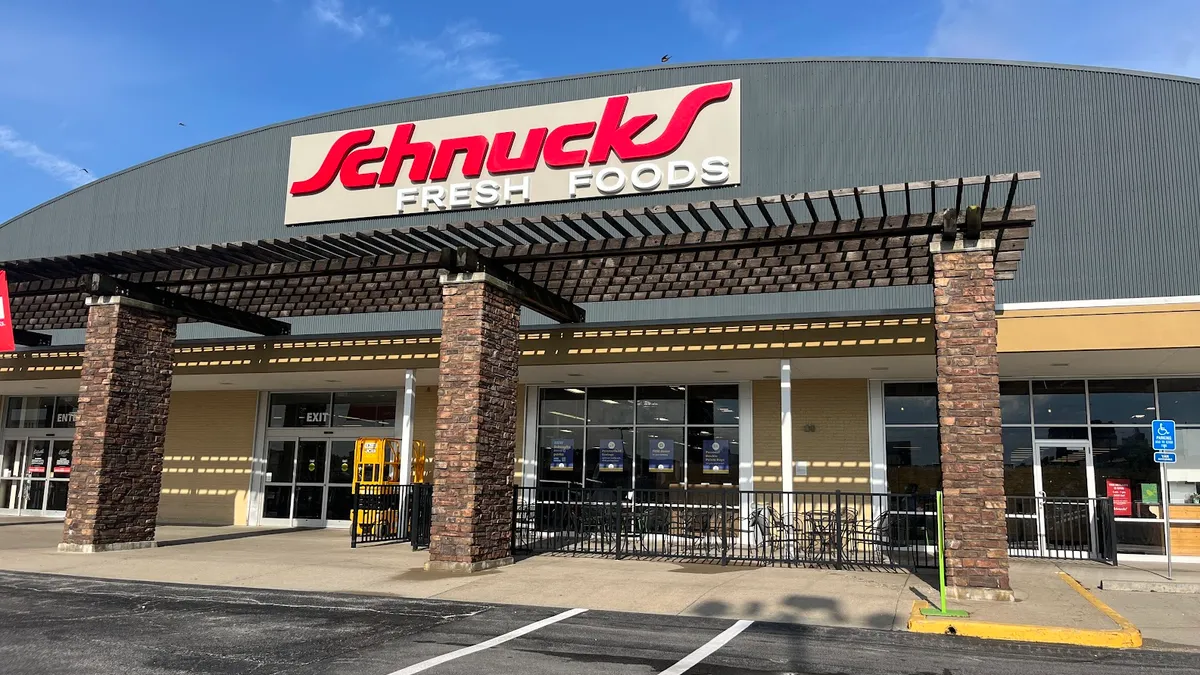
LAS VEGAS — When Schnuck Markets launched its artificial intelligence-powered agentic shopping assistant earlier this year, the grocer was excited to see all the ways shoppers would use the versatile new tool.
The technology teams that worked on it were especially interested in seeing how online shoppers would use the shopping assistant to help them solve the eternal conundrum of what to have for dinner, said Caleb Carr, the grocer’s senior director of data science and engineering.
“That was our premise: What can we really do to support and answer that question for our customers?” Carr said Tuesday during an educational session at Groceryshop in Las Vegas.
But when the tool launched, Carr and his team quickly learned they had overlooked an even more basic question on people’s minds: What time do Schnucks’ stores open?
The early flub underscored the importance of backstopping AI-powered tools with comprehensive, high-quality data that goes beyond recipes and product ingredients, Carr said. It’s a common problem in the industry because grocers have reams of information — from nutrition information to how much a custom cake costs — at their disposal, but typically house it in multiple systems.
“It is one of the few industries that have so many disjointed data sources, and so a lot of the work to build a successful AI agent or even just be discoverable is making sure we have that data available,” said Carr.
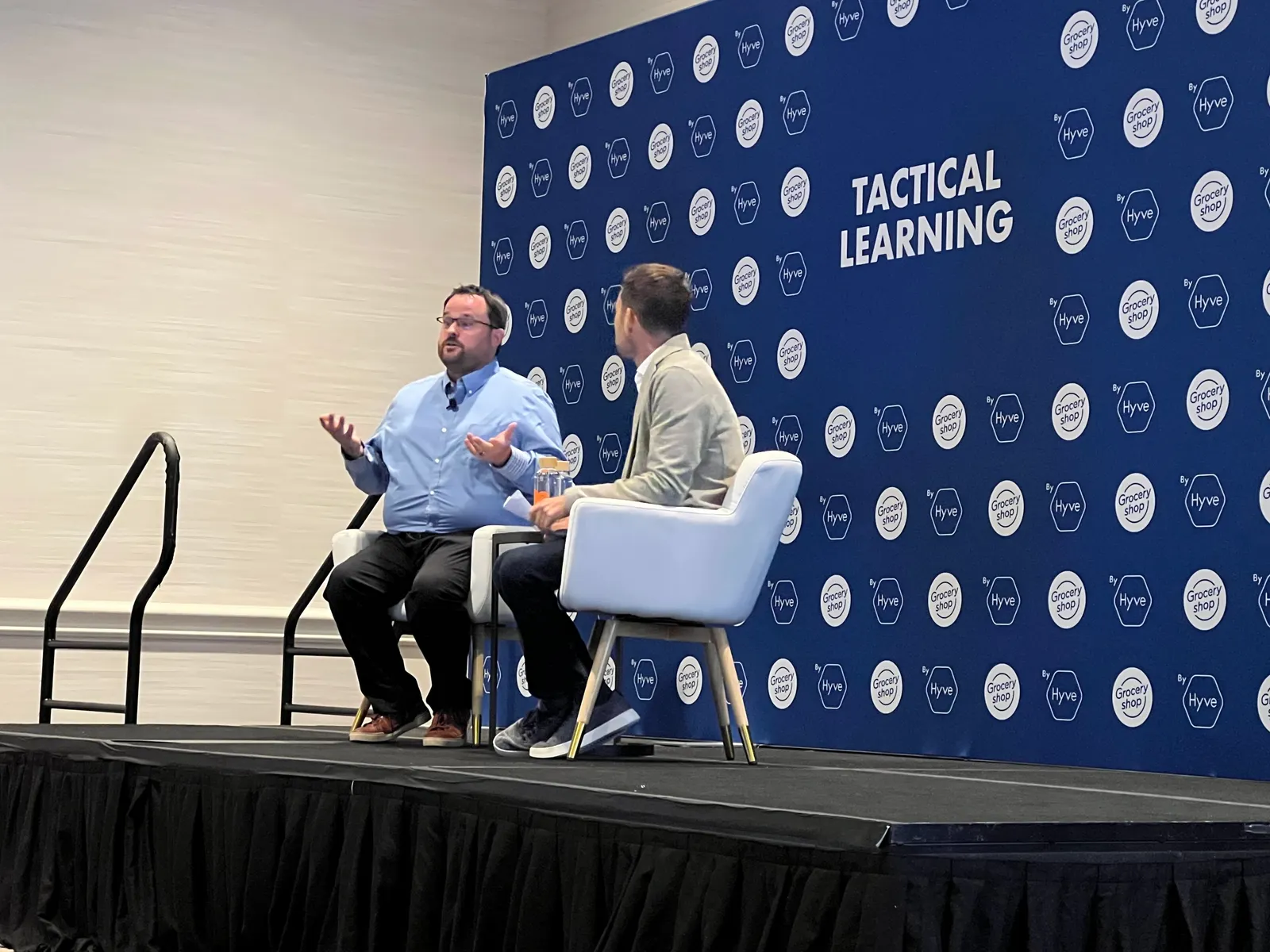
Bringing all that data together and making it understandable for shoppers is the hard but necessary work grocers have to do if they want to dabble in AI-powered shopping, he said.
A lot of that involves getting granular with product information. Although 90% of Schnucks’ SKUs have syndicated data — meaning data that’s formatted and regularly updated for the retailer — that information didn’t always cover the health-related queries shoppers had.
“One of the [inputs] we're seeing a lot from our customers is, ‘I want a meal that has this many calories per serving.’ Well, if you don’t have calories for ingredients … you can't answer that question,” said Carr.
Getting cohesive, up-to-date data from small producers that may not have access to syndication tools has also proven challenging, Carr noted.
Schnucks has also worked on making internal data and institutional knowledge available to the AI-powered system, Carr said, noting that key information in service departments like bakery and meat might be known by skilled staff members but not written down anywhere.
Customers have asked the shopping assistant to recommend a message to put on a family member’s birthday cake, he said.
“We have a great cake program, but how do we take the awesome expert knowledge of our bakers and our bakery team and turn that into something that can serve our customers 24/7?” said Carr.
Key terms the grocer uses in areas like promotions may need to be reworded to avoid confusing shoppers. Carr said Schnucks, like many other retailers, refers to its discounts internally as TPRs, or temporary price reductions. But shoppers don’t understand that term. So Schnucks built an AI model to help cut through the jargon.
“We've actually got a model that our primary agent reaches out to that helps decode and put it into less business speak,” said Carr.
So far, Schnucks is pleased with shoppers’ uptake of the agentic shopping assistant and optimistic about its ability to continue evolving and helping the grocer deepen its relationships with them. Although other AI platforms and tech providers have begun offering their own agentic grocery shopping tools, Carr believes that grocers themselves are well positioned to offer their own assistants that reflect their food expertise and shoppers’ own preferences.
“As grocers, we need to make sure that we own that relationship and we’re able to connect,” he said.