LAS VEGAS — Instacart and DoorDash have been busy in recent months signing up new retailers and rolling out high-tech online grocery services.
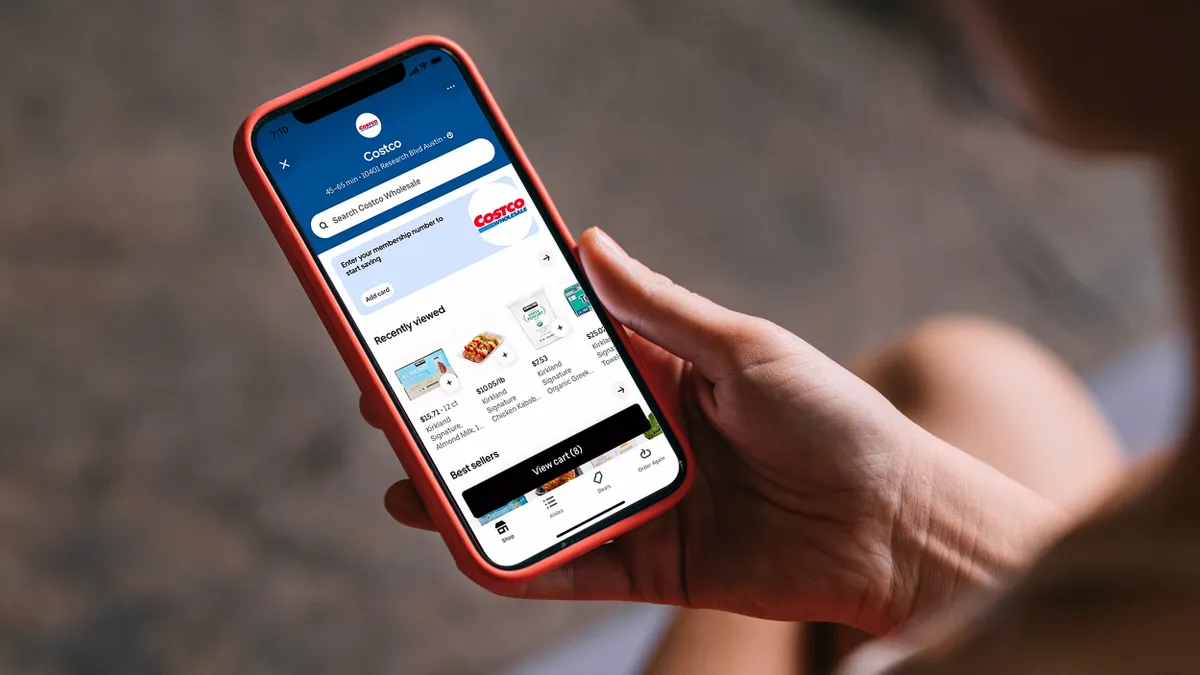
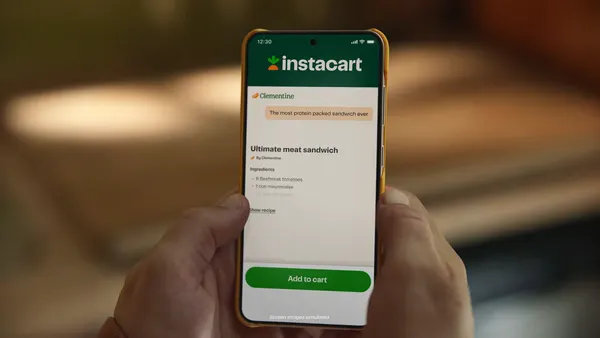
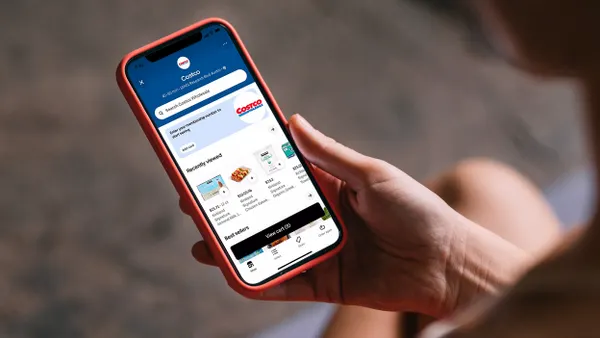
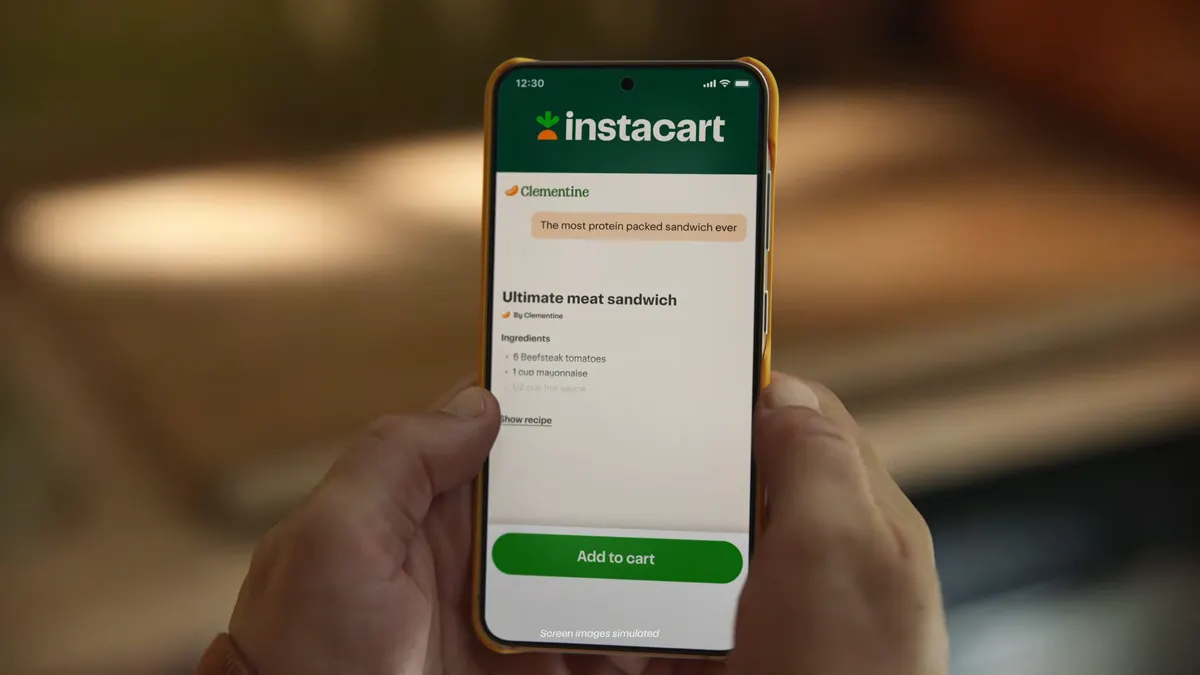
DoorDash just announced delivery from Costco stores, and this summer introduced an AI-powered shopping assistant. Meanwhile, Instacart recently unveiled its own shopping assistant and added Dollar General, Gopuff and Airbnb to its growing list of partners.
But there’s one lurking challenge that threatens to spoil the party: A growing number of price-sensitive shoppers in the U.S. think online grocery shopping is too expensive.
Affordability has long challenged the growth of grocery e-commerce, with its high fees and high fulfillment costs proving to be a turn-off for shoppers. Speaking at Groceryshop, executives from Instacart and DoorDash acknowledged that price concerns pose a growing challenge for e-commerce right now and detailed some of the ways they’re trying to meet it.
“Affordability is the number one reason that people churn off online grocery,” Instacart CEO Chris Rogers said during a Tuesday keynote session at the conference. “It’s actually the number one barrier to people adopting it in the first place, and so it’s why it’s been one of my biggest priorities since becoming CEO.”
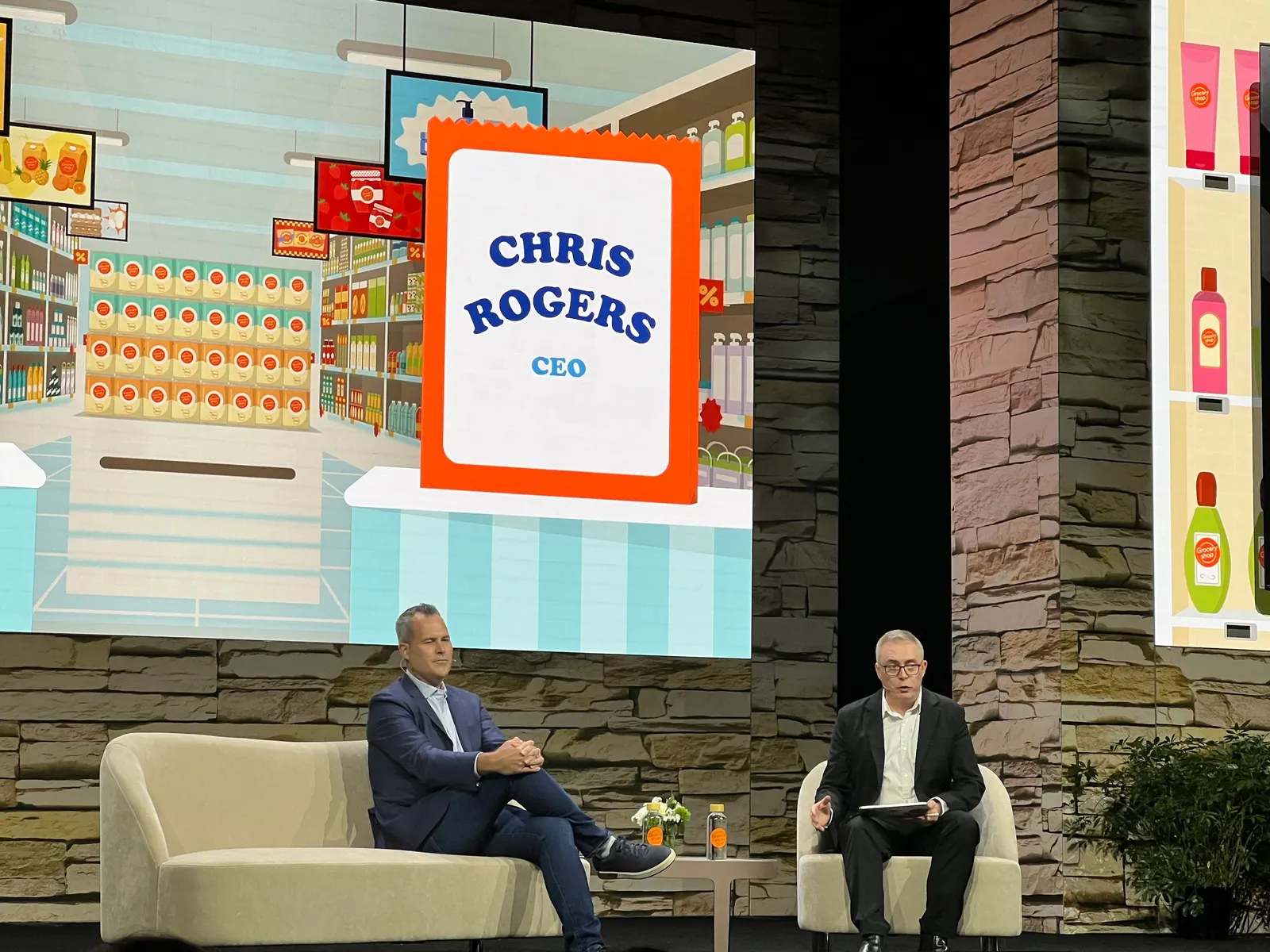
For more than a year, Instacart has lobbied retailers to price their products at or just above in-store prices. Rogers, who became Instacart’s chief executive last August, said the company’s data shows that retailers who adopt price parity are seeing their online sales grow 10 percentage points faster than retailers that mark up their products. Retailers that don’t charge extra for e-commerce orders are also doing a better job of retaining online shoppers, he said — a critical step at a time when low-price retailers are gaining more share of wallet.
Retailers use markups to cover fees and other costs associated with online fulfillment, so bringing down prices can cut into their bottom lines. Rogers acknowledged this challenge.
“I’ve been meeting with so many people in this room on this topic. And I know it’s a very difficult conversation,” he said.
Rogers didn’t say how many retailers it works with offer price parity, but in an emailed announcement Thursday, Instacart said 90% of U.S. consumers have access to no-markup retailers on its platform. Raley’s, Bashas, Fareway and Grocery Outlet are among the chains that have recently chosen to eliminate markups.
“The cost of losing sales and share over time to some of the largest digital players might be greater than the cost of removing markups today,” Rogers said.
In addition to lobbying for prices to come down, Instacart has been encouraging retailers to enable promotions and integrate their loyalty programs with its platform. It’s also been promoting the value of its Instacart+ membership, which waives delivery fees on grocery orders over $10 and restaurant orders over $25, as well as lower-fee services like no-rush delivery, which offers shoppers a $2 discount.

DoorDash, meanwhile, hasn’t made as hard a sales pitch to retailers around offering price parity, Vice President of Grocery and Retail Partnerships Mike Goldblatt said in an interview with Grocery Dive at Groceryshop.
“I would describe it as a two-way conversation,” he said. “It’s not, ‘Hey, this is all on you, retailers.’ We're trying to make sure that there’s a path that solves for the real profitability concerns that a grocer may have while also recognizing that over the long term we’ve got to get prices down.”
Goldblatt said affordability is a key concern for online shoppers right now. And like Instacart, the company is playing up the value of its membership and working with retailers to enable promotions where it makes sense.
In an apparent bid to burnish its affordability image, DoorDash earlier this week released data showing how SNAP consumers and retailers are using its delivery service. Three years after launching SNAP/EBT payments on its platform, 4.5 million shoppers have added their SNAP cards to DoorDash and 75,000 stores accept the benefit, according to the company. Eighty-five percent of consumers who used the benefit were new to that particular store.
The push by Instacart and DoorDash to improve their price positioning comes as Walmart and Amazon ramp up their proprietary delivery services, touting significant savings for members. Amazon now offers same-day delivery in thousands of markets across the country through a service that lets shoppers bundle groceries and non-grocery items in the same order.
The battle for online shopping dollars will also hinge on factors like quality, speed and convenience, Rogers said. To that end, he expressed enthusiasm for AI’s growing ability to make online grocery shopping faster and more relevant for consumers.
“I believe that AI is going to transform grocery more than any other technology shift to date, and I also think that grocery is going to be the category out of every retail category that’s most transformed by AI,” said Rogers.