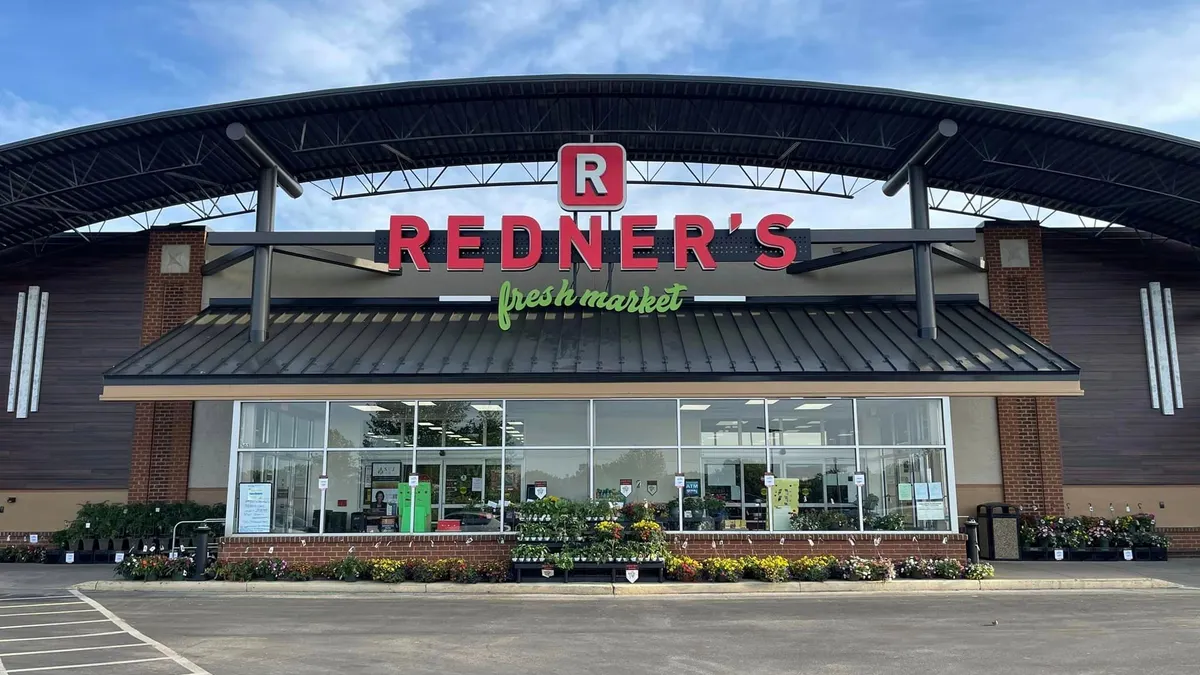
Grocers like Ahold Delhaize USA and Sprouts Farmers Market have embraced self-distribution in recent years to ensure their fresh offerings are truly fresh and give them more control over their assortment. But this tactic is something Redner’s Markets adopted decades ago and continues to perfect as its fresh market concept continues to grow.
Redner’s has had a hybrid distribution model since the 1980s, when it began to self-distribute perishable produce and meat products to its warehouse market stores, Eric White, Redner’s director of marketing and communications, said in an interview. Today, Redner’s still buys fresh products in bulk directly from its local partners, primarily farmers, which allows the grocer to pass on cost savings to its customers.
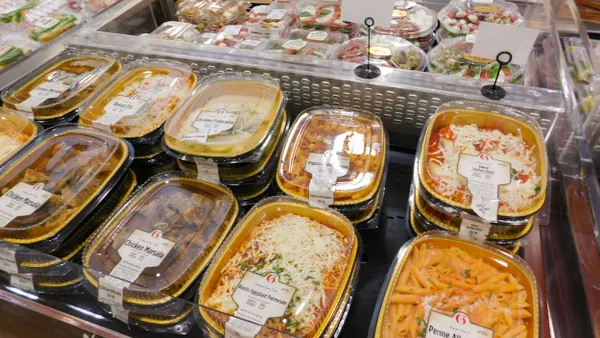
In 2019, Redner’s opened its first Redner’s Fresh Market in Wyomissing, Pennsylvania. The store centers on prepared and perishable products, even going as far as to scale back its grocery selection in order to add fresh sushi along with features such as service meat and bakery counters, White said.
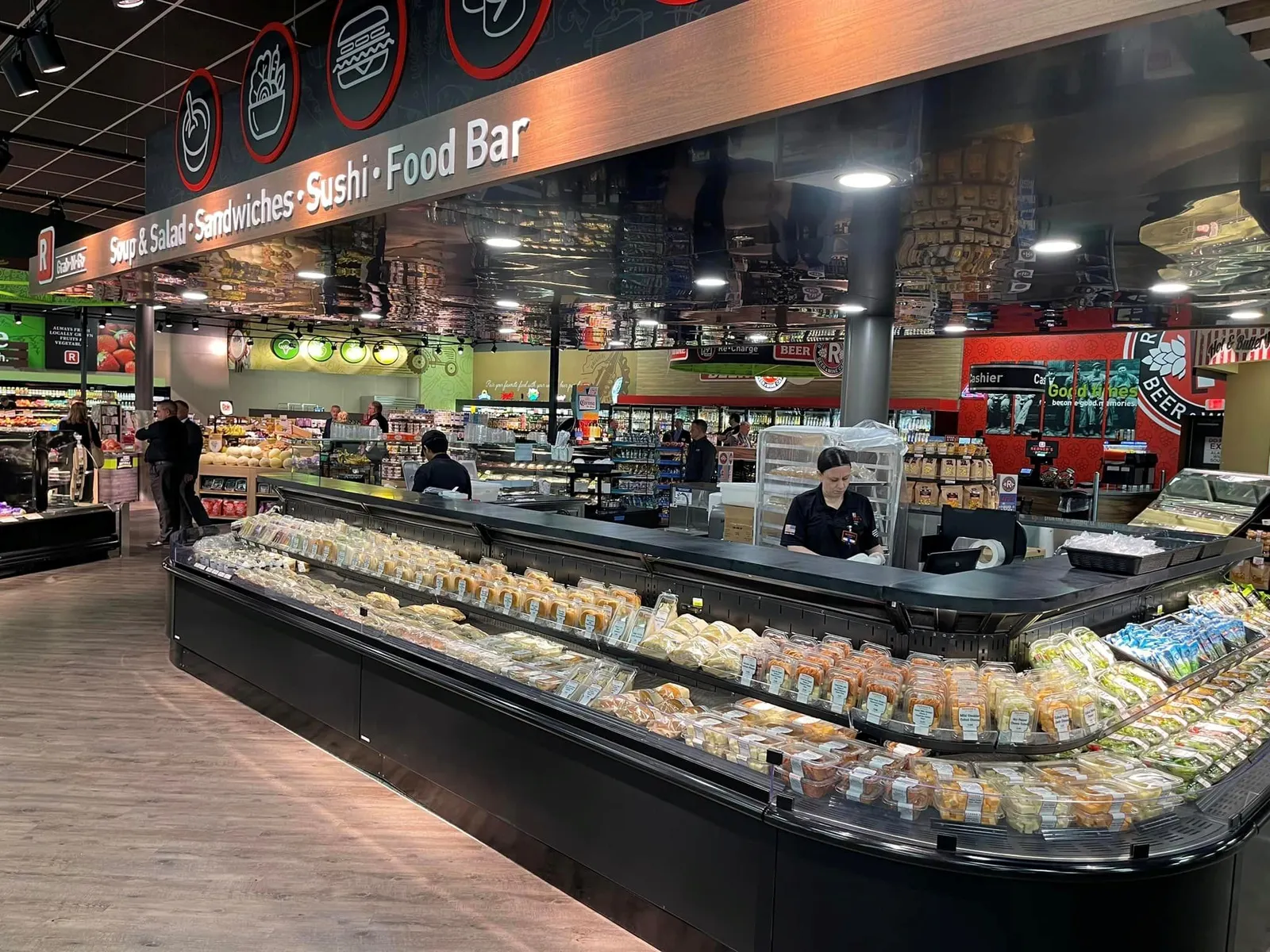
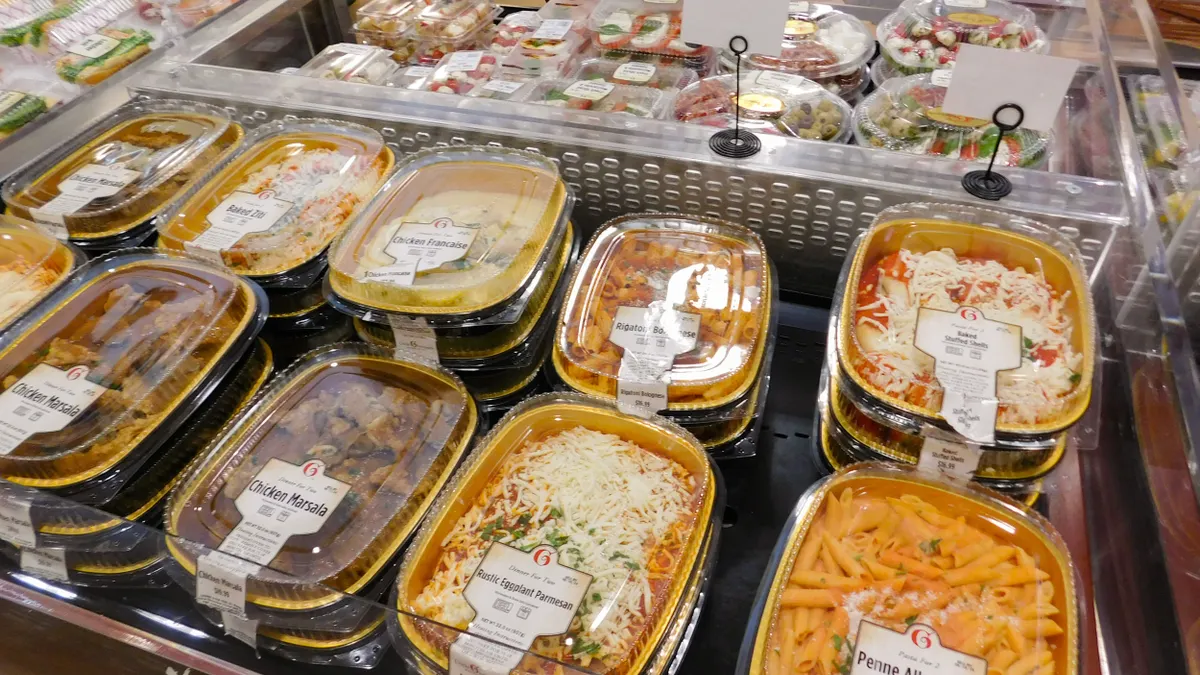
“We were able to incorporate more prepared products, cut products, introduce more variety to the guests, such as chef-prepared meals,” White said.
At a time when regional grocers are under pressure by cost-conscious consumers to prove their value, Redner’s is betting its fresh-focused approach will continue to resonate. The grocer’s fresh operations, both on the store floor and in its warehouses, have enabled it to offer a unique in-store experience that also offers reasonable prices.
As the Redner’s Fresh Market format footprint has expanded to several additional locations, Redner’s has used the stores to test new prepared food offerings and gauge customer response.
All of the fresh concept stores are former Redner’s locations that the company decided to remodel with the exception of one — a store in Lewes, Delaware, that opened in 2022. Redner’s originally intended for that location to be a conventional store but decided before opening it to make it a Redner’s Fresh Market given the format’s early success, White said.
Introducing a fresh market concept has required Redner’s to update its operations, White said. First, the company opened up a central commissary in 2020. It then hired an executive chef and converted one of its properties into a full kitchen. Now, all chef-prepared meals are made and sourced from one central location, White said. He added that this move has allowed Redner’s to do more seasonal and promotional events with full meals. It has also improved efficiency, increased shelf stability and ensured every product prepared is under the oversight of the grocer’s executive chef.
Last year, Redner’s introduced what it dubbed its “central produce chop shop,” marking yet another step in the company’s fresh revolution, White said. Like the commissary, the produce chop shop centralizes the preparation of all fresh-cut produce and improves freshness, safety and operational efficiency. Redner’s carved out the produce chop shop at its main distribution facility, according to White.
Redner’s plans to expand its chop shop beyond produce to include fresh-cut meat, White said. However, there is no timeline for when this change will go into effect.
The commissary and produce chop shop don’t just serve Redner’s 36 traditional grocery stores and eight fresh markets. Redner’s also runs 13 traditional convenience stores, which the company recently rebranded as Redner’s Quick Stops, that stock products prepared at these facilities.
“Everyone’s benefiting from that consolidation of operations,” White said.
Gearing up for ‘fresh market 2.0’
Redner’s next steps in its fresh evolution are kicking things up a notch.
Redner’s will open its ninth fresh market concept in Wilmington, Delaware, this October. But this fresh market will be notably different from the ones that preceded it — so much so that Redner’s refers to it internally as “fresh market 2.0,” White said.
This includes the introduction of “consumer eateries” where shoppers can pick up fresh-made meals and sit down to eat, he noted.
This more restaurant-style destination will include a “retro-ish” smashburger place called Earl’s Smashburger with ice cream floats and a local partnership with Reading Soda Works Soda Company, as well as a Big Gary’s Famous Chicken location.
The Fisher’s Pier dining option will offer freshly made seafood soups, some of which will be served in bread bowls made in Redner’s bakery department. It will also include Carnival Crush, which will serve up the grocer’s renowned popcorn plus new novelty grab-and-go offers and other “county fair” goods like funnel cakes and roasted peanuts, White said.
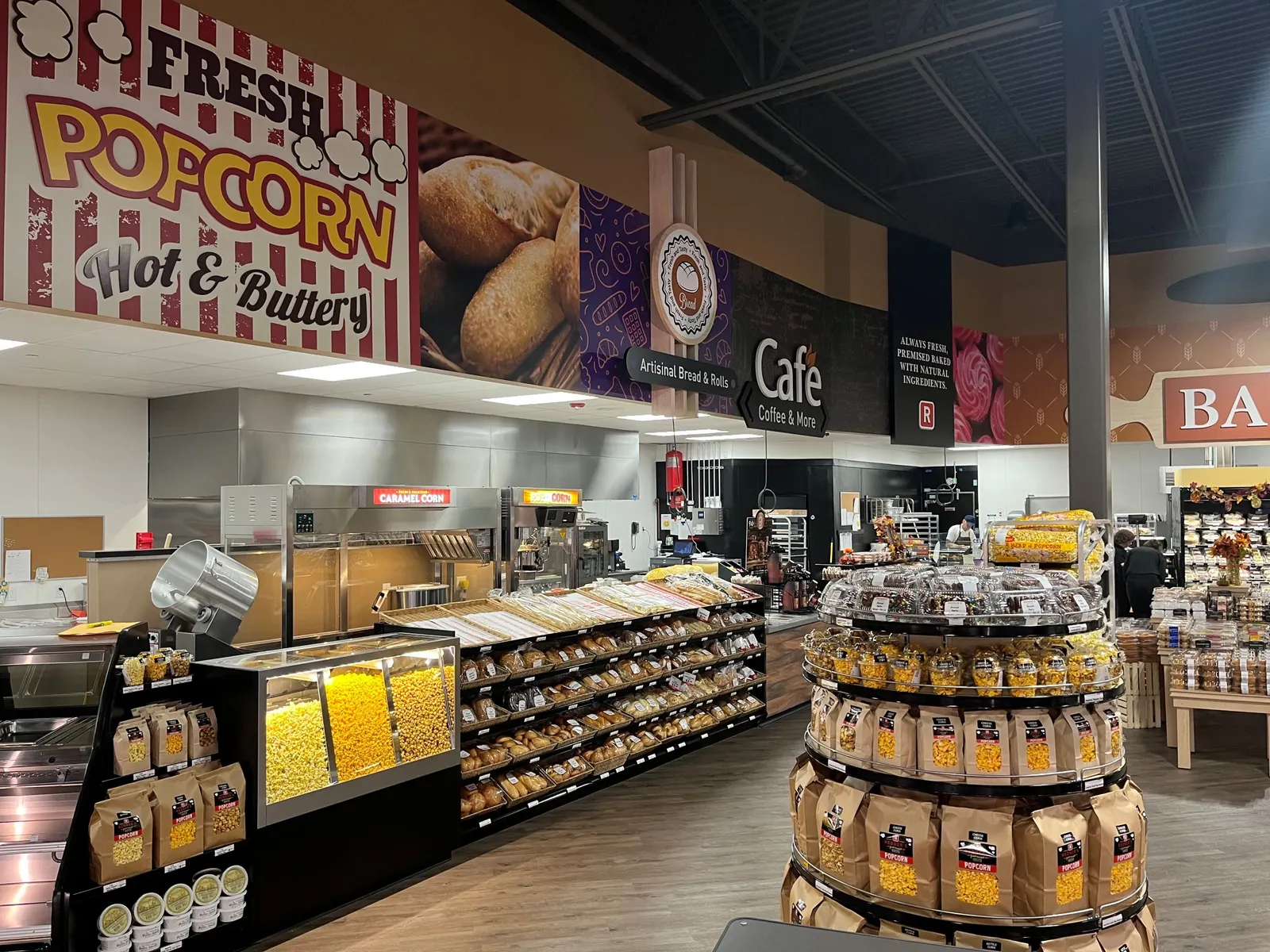
He noted that this location won’t rely on Redner’s centralized commissary, as all food will be made on-site.
When deciding which food offerings to include in the upcoming 52,000-square-foot fresh market, Redner’s paid close attention to the restaurants that are already part of the shopping center where the grocer will be located, White said.
“We want to do items that are not currently in the shopping center or in that vicinity,” he said. “So, one of our concepts [at other fresh market stores] is to have empanadas. Well, there’s already a Hispanic restaurant in that shopping center, so there’s no sense in us trying to minimize their business.”
Redner’s recently proved it’s following through on this commitment to existing businesses. When White spoke with Grocery Dive in early July, he said that the Wilmington store would offer house-made sushi. However, about a week later, he followed up to say that Redner’s removed sushi from the upcoming store’s food offering lineup because a Hibachi restaurant already exists in the same shopping center.
Though the Wilmington store won’t open until the fall, White said the company is already looking to expand the Fresh 2.0 format to additional locations.
“The experience… is all focused on your comfort, enjoying yourself,” White said. “You can come in, sit down, have a meal, because when you’re done eating, you can go shopping.”