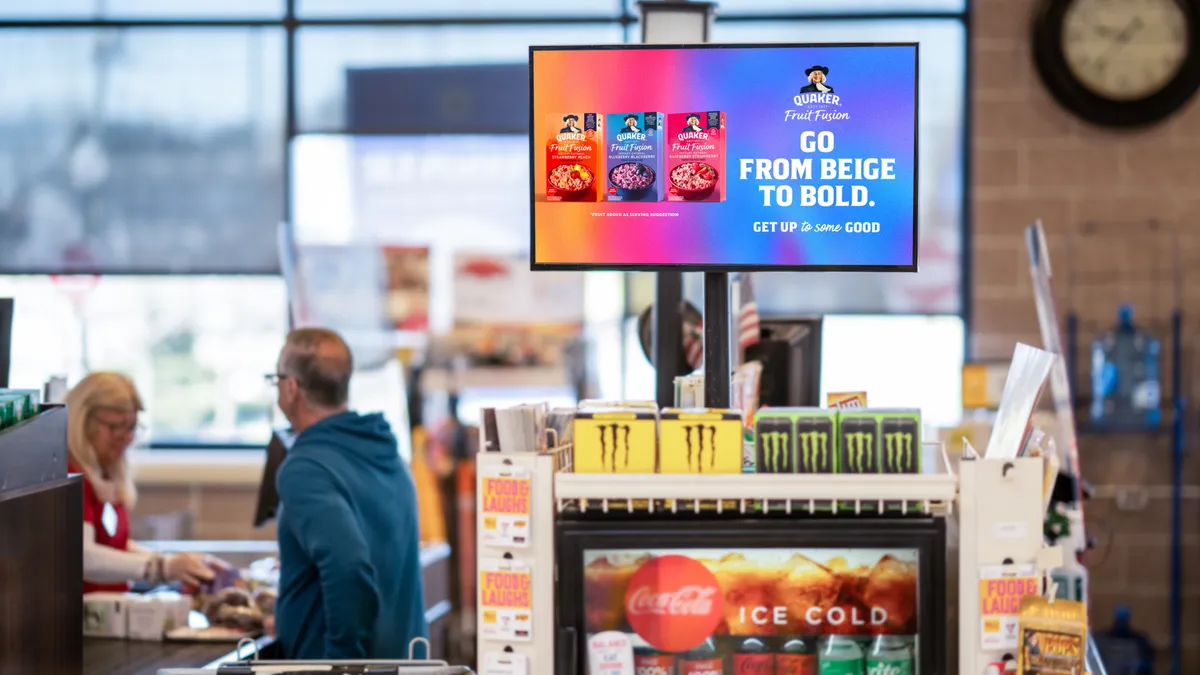
A majority of consumers are receptive to retail media influencing their grocery shopping decisions, and they are most likely to respond to tailored messages based on their shopping behavior, according to survey data released on Wednesday by Dunnhumby.
Nearly 70% of the 3,000 people in the U.S. and the U.K. who responded to a poll conducted in January said they “trust personalized product suggestions based on prior purchases,” and more than half have confidence in recommendations based on promotions or discounts. Only 30% said they trust suggestions that purport to reflect what people like them tend to purchase, while 24% indicated that they give credence to recommendations that stem from general trends.
About half of respondents said they find personalized suggestions from retailers to be “highly helpful,” compared with fewer than 10% who characterized them as “unhelpful.” More than 90% said they are comfortable having retailers record data about their purchases.
“Today’s world is filled with marketing messages, so it’s vital retailers and brands break through the noise with deep shopper loyalty and quality engagements — to build trust, create the best shopper experience — and ultimately grow their business,” Michael Schuh, head of retail media for Dunnhumby, said in a press release about the findings.
People who took part in the survey were most supportive of technologies that they believe offer practical benefits for their shopping experience. Almost two-thirds said they were excited about personalized pricing, while more than half supported predictive suggestions and mobile notifications that provided real-time relevant offers.
Participants were less enthusiastic about the potential for agentic shopping to positively affect their experience shopping for groceries. Just 29% of respondents said they are excited about the technology, while nearly half said they feel it is “intrusive or unnecessary.”
In addition, only about a third of participants in the poll responded affirmatively when asked how they felt about voice assistants, wearable devices or chatbots that could provide personalized offers and support.
The research stems from an online survey market research company Toluna conducted on Dunnhumby’s behalf. The poll garnered responses from 2,000 people in the U.S. and 1,000 in the U.K.