More than a Store is a regular column that delves into the experiential side of grocery retailing. This installment is also the third story in a series about how grocers are moving beyond traditional low-price strategies to win over shoppers.
Electronic shelf labels have been in the news lately as some state and federal lawmakers look to curb a technology that they say retailers can use to sneakily manipulate prices — a claim that the grocery industry’s largest trade association contests.
Retailers have touted ESLs as not only a way to save workers from the tedious task of changing out paper tags, but also as a tool to track inventory levels and help pick online orders. But I’m a shopper, not a legislator or a retailer, and I wanted to see how grocers are using electronic shelf labels to communicate value and boost the shopping journey.
During recent trips to grocery stores in Washington, D.C. — the city I live and work in — I noticed that grocers are taking different approaches — and some seem to make the shopping experience easier than others.
I was particularly struck by a moment in the yogurt section of my nearby Whole Foods Market. Standing a few feet back from the refrigerated cases, I could barely see the information on the ESLs because of how small they were. The prices were tiny: I couldn’t clearly see them until I got within a few inches of the doors on the case.
“I guess Whole Foods shoppers don’t often factor in price when deciding which yogurt to buy by,” I thought.
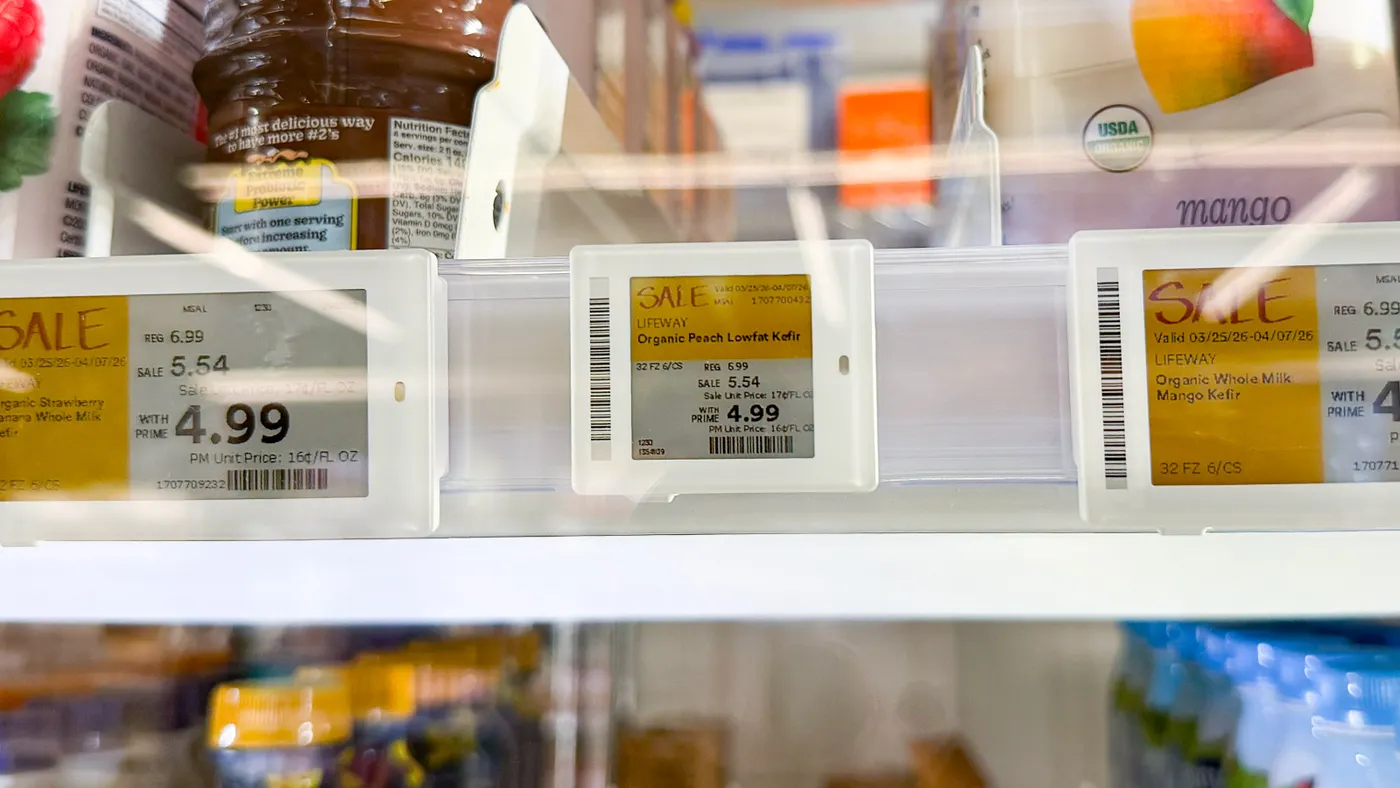
The size of the tags — which did vary in height and length in other areas of the store — wasn’t the only issue. At that store and another in the city that I visited on the same day, I noticed that Whole Foods loaded up their ESLs with lots of information, including up to three prices: the regular one, the sale one and the Prime member price.
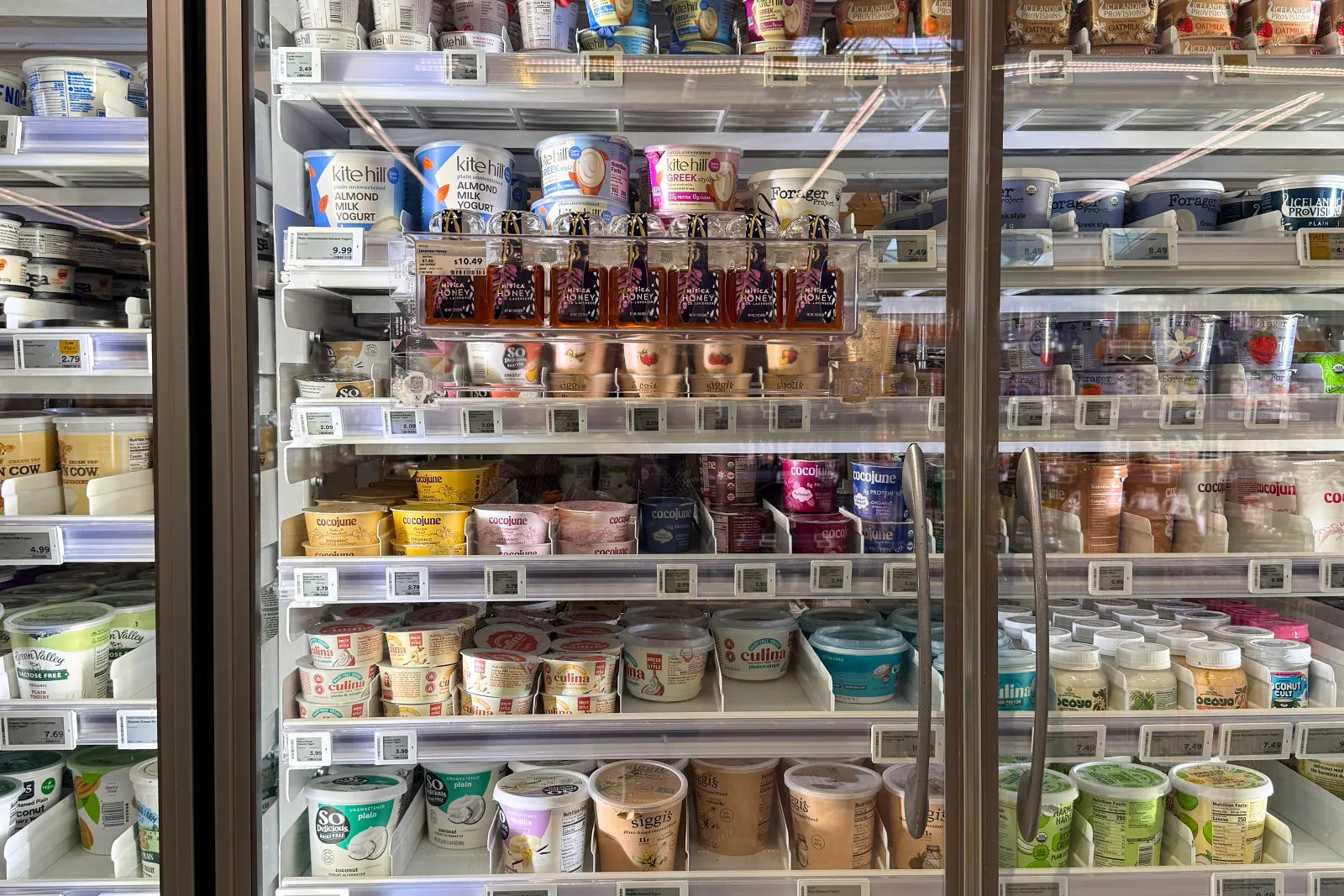
The ESLs call out attributes like “Sale” and “Low Price.” Whole Foods also employed paper tags to communicate this information to shoppers, which I found confusing. If I worked at Whole Foods, I would keep those supplemental paper tags — they had brighter colors and were easier to read than the “Sale” design in the ESL — but then take that information off the ESLs to avoid redundancy and free up space on the digital screen to make the text for the prices bigger.
There were also a few products in the Whole Foods stores that had both ESLs and what appeared to be the original paper tags showing the same information. I thought ESLs were supposed to help grocers cut down on all those paper tags.
Still, I found the cluttered look of Whole Foods’ ESLs to be the main sticking point. ESL makers have prominently showcased at trade conferences how many different shapes, sizes and colors their tags are available in — seemingly giving retailers a wide range of options for how and what to communicate. What I found during my trips earlier this month, though, was that a plethora of customization options for ESL displays doesn’t always translate to the easiest shopping experience. Just because ESLs are capable of displaying a large amount of information doesn’t mean they should.
Take Aldi, for example. At a store in Washington that I visited, the ESLs seemed to have only one job: to communicate price. A digital tag for eggs had “$1.66” in large black text against a white backdrop — and nothing else.
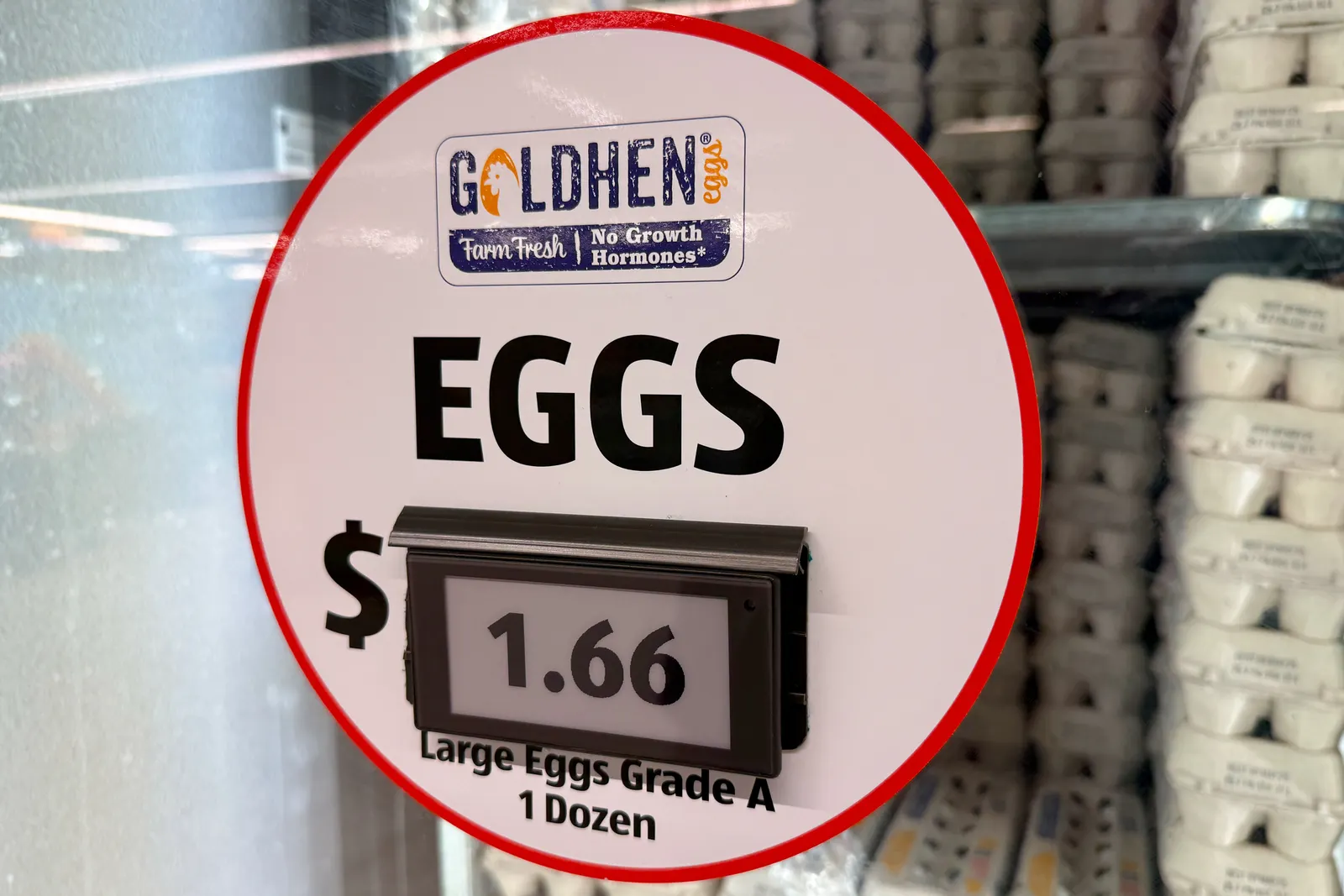
While most of the ESLs at that Aldi store also included the product name, weight and unit price, the discounter took a more simplified approach than Whole Foods that seemed more appealing to consumers. Items on sale had white text against red backgrounds on their ESLs, while tags for “Aldi Finds” products — the grocer’s limited-time, rotating specialty products — had red text on a white background along with an “Aldi Finds” icon.
This straightforward approach of limited product info and two colors struck me as an easy way to communicate the basic information shoppers need to make a purchasing decision. For Aldi — a no-frills discount grocer that regularly touts how low its prices go — spotlighting price makes sense.
While Whole Foods isn’t a discounter like Aldi and likely won’t want to simplify to show just one price on its ESLs, shoppers at the Amazon-owned grocer aren’t immune to ongoing financial pressure and would no doubt appreciate easy-to-see prices.
Despite the controversy that ESLs are facing currently, the tech looks like it’s here to stay in the grocery industry. Walmart is rolling out digital shelf labels to all of its U.S. locations. Other companies, from national player Kroger to regional grocer Schnuck Markets, have also adopted the technology.
As grocers adopt ESLs, they should determine exactly what they want to communicate on the digital tags. They should figure out how to differentiate information across their ESLs and paper tags. And they should lay out their ESLs so shoppers don't have to strain their eyes to figure out the price of yogurt.