Dive Brief:
- Online grocery sales will total $452 billion by 2028, driven by the rapid growth of omnichannel shopping, according to a report by FMI —The Food Industry Association and NielsenIQ.
- In 2025, online sales accounted for about 72% of total grocery dollar growth. FMI noted in a press release that without e-commerce, “many grocery categories would post flat or declining sales, reinforcing the role of digital as a competitive lever rather than a complementary add-on.”
- While the report reinforced the importance of building an omnichannel ecosystem for shoppers, it also underscored the challenges grocers face in capitalizing on e-commerce, including stiff competition and shoppers’ focus on small baskets.
Dive Insight:
While grocers’ focus on e-commerce as a strategic priority has dimmed recently as shoppers prioritize in-store shopping and lower prices, FMI and Nielsen IQ’s report serves as a high-profile reminder that retailers can’t afford to leave their digital gardens untended.
The growth of online grocery far outpaces that of in-store shopping, with food e-commerce sales jumping nearly 19% last year. FMI and Nielsen IQ have revised their sales estimates upwards, and now project online sales will reach $363 billion this year, up4% from the projection in last year’s digital trends report. Sales in 2027 will reach an estimated $407 billion, up almost 5% from FMI and Nielsen IQ’s year-ago projection.
“With online grocery sales increasing at a projected 11.6% annual rate through 2028 and already accounting for about one-fifth of total grocery spending, success now hinges on how well retailers connect digital and physical experiences into one cohesive journey,” Jack O’Leary, director of ecommerce strategic insights for NIQ, said in a statement.
By comparison, in-store sales are expected to grow at a 0.62% compound annual rate from 2026 to 2028.
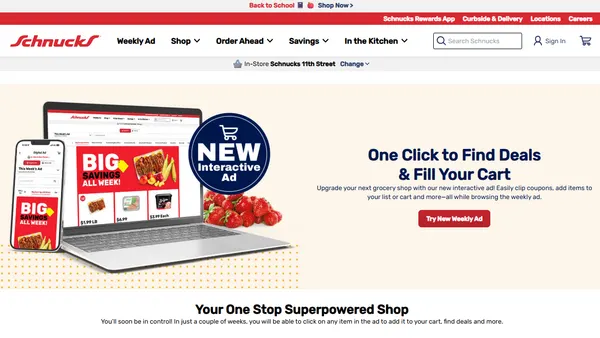
Ninety-four percent of shoppers are now omnichannel shoppers, the report stated. Most major chains have invested in mobile apps that integrate loyalty offerings and discounts, and FMI’s report noted that nearly three-quarters of shoppers with smartphones say they use digital coupons and check weekly specials.
The report also included several findings that highlight the difficulties grocers face in competing and profiting from digital shopping.
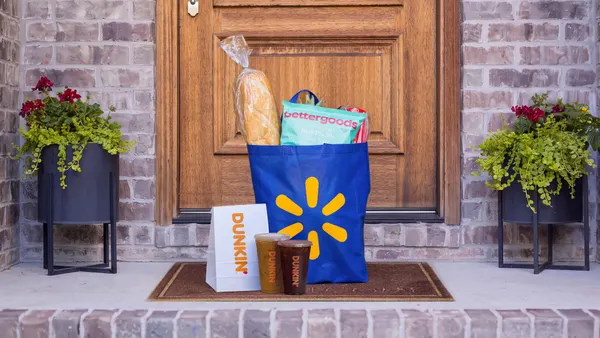
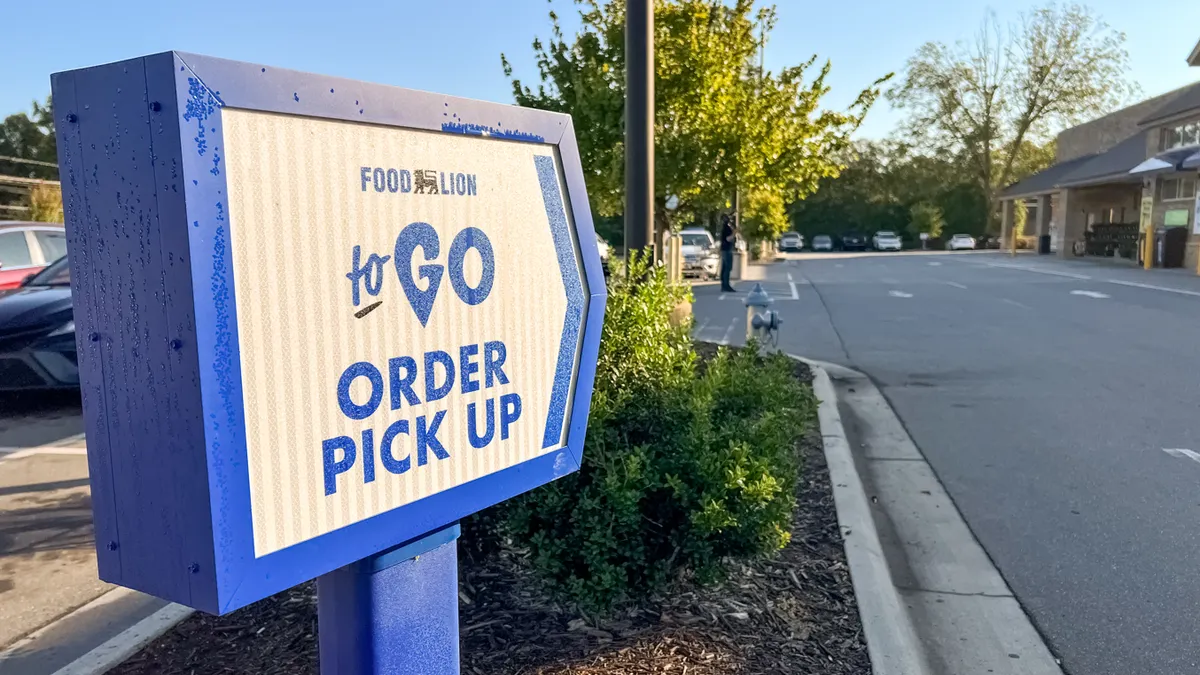
Fulfillment via delivery and shipment — which is often handled by intermediaries, thus making it hard for retailers to stand out — is growing at a much faster clip than pickup, which is more cost effective for retailers and often handled in-house. Shipped and delivered orders accounted for almost 80% of e-commerce sales last year, up around 2 percentage points from 2023, while pickup’s share declined by around 2 percentage points during the same period.
Consumers are increasingly prioritizing delivery speed, the report noted. But that favors large players like Walmart and Amazon, both of which are making significant investments in their own delivery services.
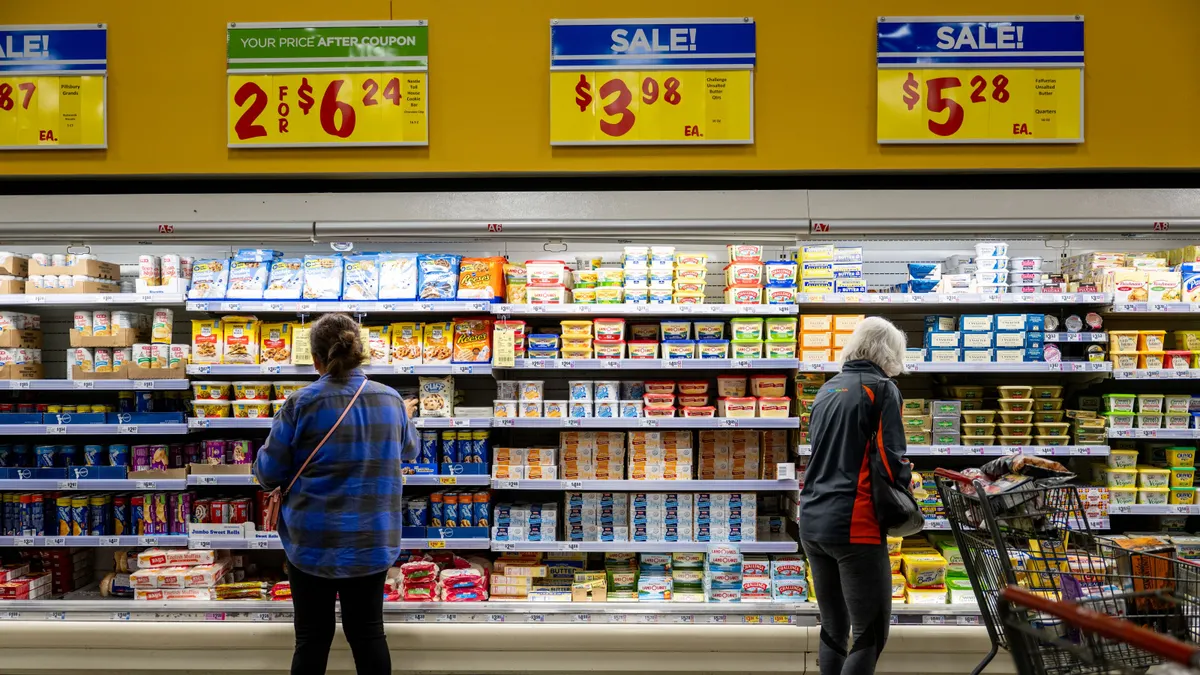
Another issue is that shoppers prefer to shop online for small baskets, which is convenient for them but inefficient for retailers. While 39% of in-store trips in 2025 were stock-up shops that included 12 or more items, just 16% of online trips fell under that classification, according to the report. To boost baskets, the report noted that retailers can improve product filters and suggest items for shoppers to add to their baskets at checkout.
Furthermore, online grocery growth is not poised to be evenly distributed across retailer types. Amazon and mass merchandisers, which together account for around 61% of online grocery sales, increased their online sales share over the past year while conventional grocers’ share declined. Amazon’s rapidly growing same-day grocery delivery service threatens to siphon off even more sales from grocers.
The report indicated that innovations like retail media networks, mobile checkout and foodservice ordering are helping grocers strengthen the omnichannel experience they offer shoppers.
The report also noted that AI poses a significant opportunity for retailers to narrow the digital shelf for consumers and offer tailored product suggestions that can boost convenience. It noted that 64% of consumers have at least tried using generative AI, and that they prefer to use it for research purposes and recommendations.