Dive Brief:
- Harps Food Stores announced Tuesday that CEO and Chairman Kim Eskew will retire Jan. 15, 2027, and President J. Max Van Hoose will take over the lead role.
- Eskew’s departure marks the end of his near half-century career with the regional grocer.
- Under Eskew’s leadership, Harps made numerous acquisitions and moved into new states like Louisiana and Mississippi.
Dive Insight:

Eskew has been CEO of Harps for a decade and has worked for the grocer his entire career. As a college student in 1977, he joined Harps to work as a part-time stocker and cashier. After graduating, he worked his way through the ranks, holding leadership roles such as grocery manager, store manager, director of merchandising and advertising, vice president of marketing and president. He was named CEO in 2016 and later became chairman and CEO, according to a press release.
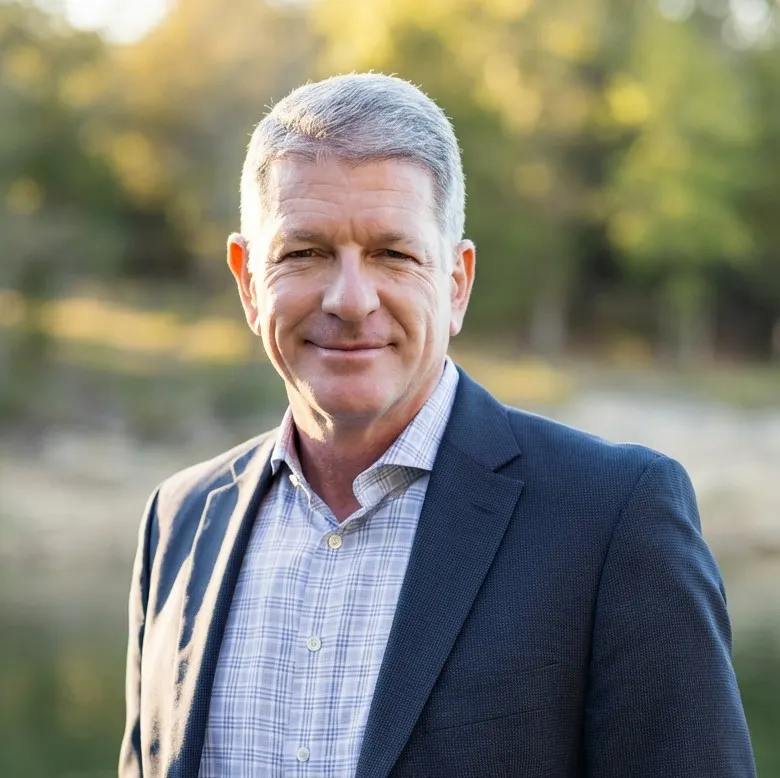
Van Hoose, who will take the reins from Eskew upon his departure, is the grandson of Harps’ founders, Harvard and Floy Harp.
“J. Max understands the history, values and culture of Harps, as well as the responsibility we have to our associates, customers and communities,” Eskew said in a statement. “I have great confidence in him, our leadership team and the future of this company. I know they will continue moving Harps forward, achieving even greater success in the future.”
This executive change comes just a few days after Harps promoted Will McDoniel, the grocer’s seafood category manager, to the newly created role of director of AI strategy and innovation. Along with McDoniel’s promotion, the company named William Haulmark as its director of insurance.
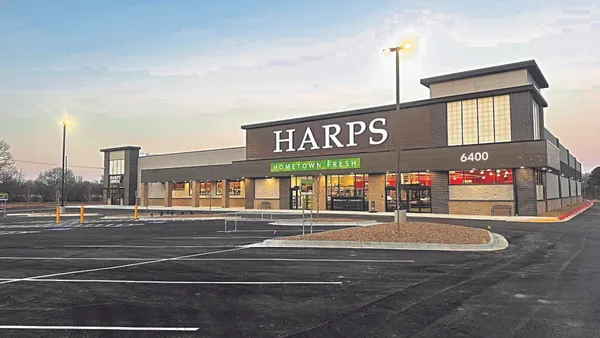
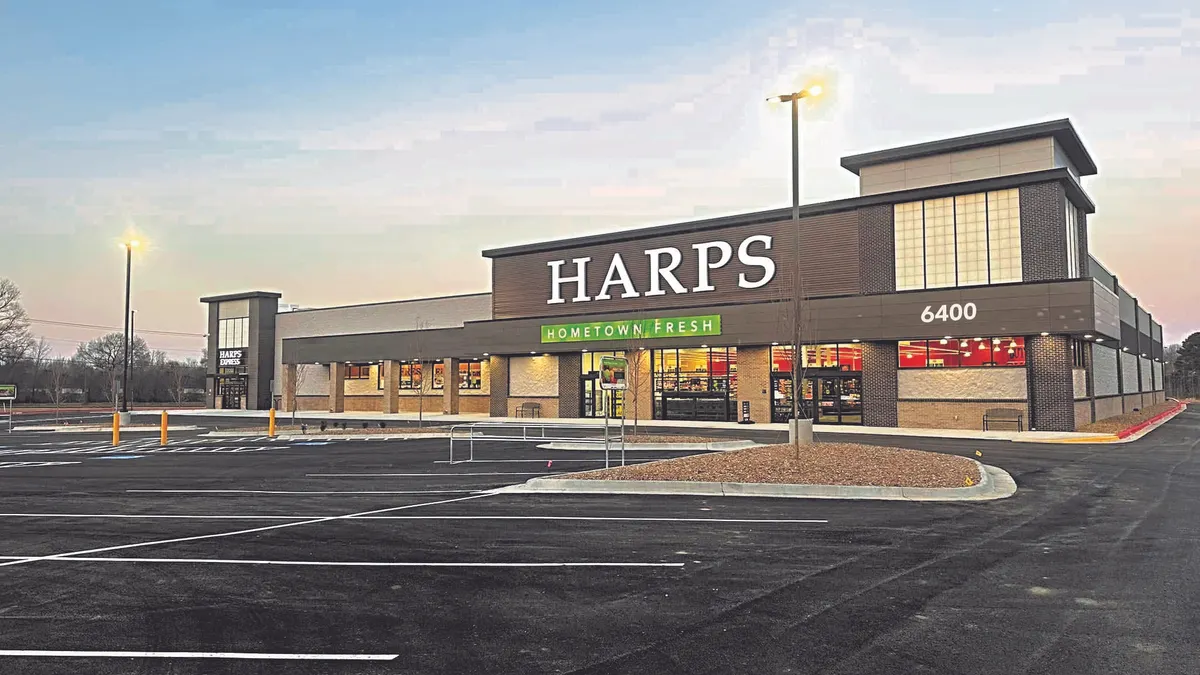
Harps currently runs 177 stores across Arkansas, Kansas, Kentucky, Louisiana, Mississippi, Missouri, Oklahoma and Tennessee. The grocer is in growth mode, with its latest move coming earlier this year with the acquisition of an 18-store independent grocery chain that brought its footprint into Kentucky and Tennessee. Over the past several years, Harps has nearly doubled its footprint through similar acquisitions in states surrounding its Arkansas home base.