Dive Brief:
- FMI — The Food Industry Association and the National Grocers Association told the Federal Trade Commission they want more precision for the agency’s proposed enforcement policy for personalized pricing.
- FMI said in written comments that the FTC’s proposed statement “risks sweeping in established grocery pricing practices, customer loyalty programs, waste-reduction markdowns, and price-accuracy technology.” The NGA urged the FTC to distinguish between a price calibrated to an individual’s estimated willingness to pay for an item and an offer that lowers an item’s shelf price, like coupons and loyalty program perks.
- The trade groups’ input is part of the FTC’s call for public comments on the proposed enforcement policy, which feeds into the agency’s broader effort to rein in business practices that mislead consumers.
Dive Insight:
The FTC needs to distinguish between personalized pricing and personalized promotions, Stephanie Johnson, senior vice president and head of government affairs at NGA, said in written comments.
“When a grocer sends a customer a coupon for the cereal she buys every week, her price goes down, and a shopper without the coupon still pays the shelf price,” she wrote. “Personalized pricing works in the opposite direction: it uses personal data to push a price up, toward the most a particular shopper will pay. Grocers have offered the former for generations, and families count on it. Policy on personalized pricing should be aimed only at the latter.”
FMI noted that consumers embrace loyalty programs, which they voluntarily sign up for, and have control over which coupons or offers they activate.
The FTC defines personalized pricing as a business using personal consumer data to set prices based on estimates like how much an individual consumer will willingly spend on a product or whether that shopper is likely to engage in comparison shopping.
While the FTC does not have the authority to ban personalized pricing in all circumstances, the agency could find businesses in violation of the FTC Act, which prohibits unfair or deceptive practices in the marketplace. Specifically, the undisclosed collection or use of personal data for personalized pricing could violate the FTC Act.
“When consumers see a listed price, they expect it to be [the] same price that everyone else sees, not the retailer’s estimate of how much they are willing to pay based on their personal data,” FTC Chairman Andrew Ferguson said in an August statement.
In recent months, rising concern from consumer advocacy groups and politicians over retailer practices they claim unfairly raise prices for shoppers has led several states and cities to enact laws that aim to rein in retailers’ pricing practices as well as the use of technology, such as electronic shelf labels.
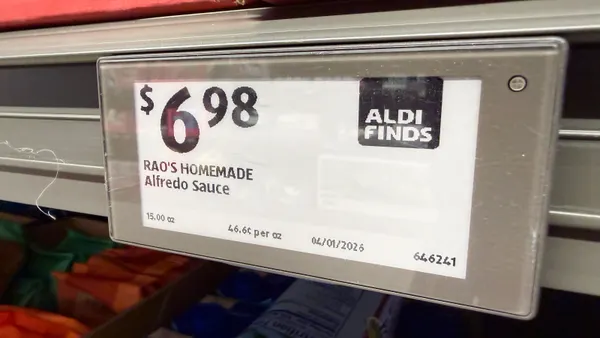
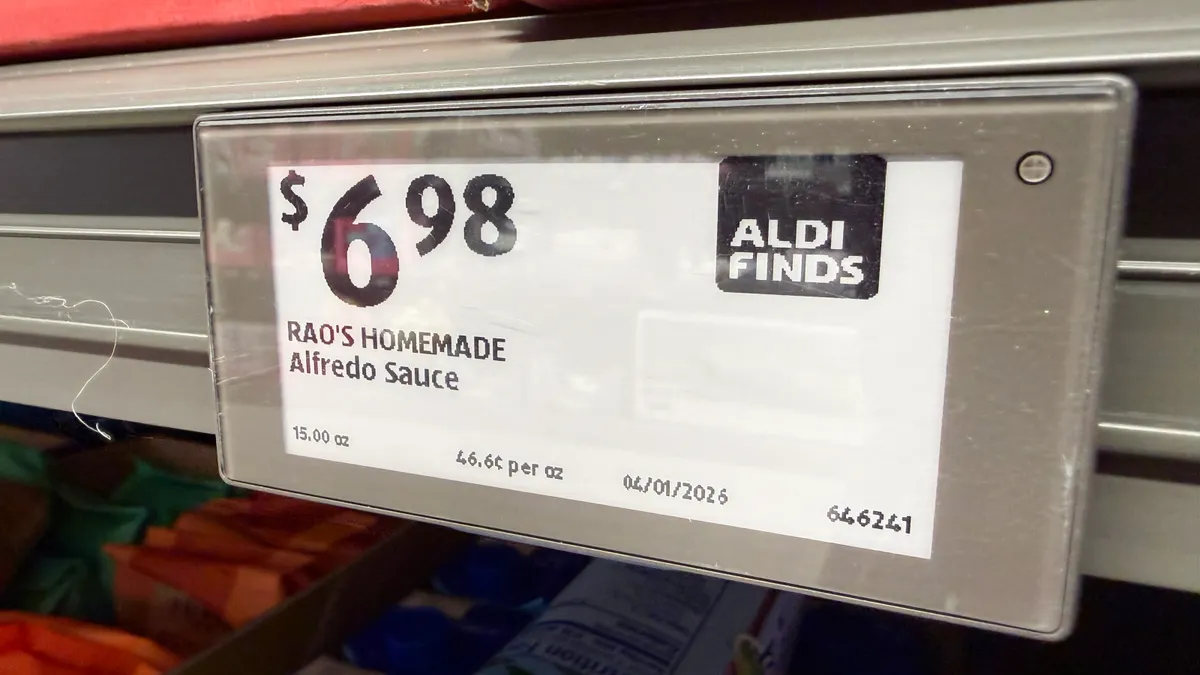
Both FMI and NGA stand by grocers’ use of ESLs, stating they do not facilitate harmful pricing practices. Instead, grocers use the in-store technology as a way to maintain pricing accuracy and cut down on the labor of changing manual price tags. They said that the FTC’s proposed enforcement treats ESLs as a pricing strategy instead of as a way to display prices.
“An electronic shelf label is simply a price tag,” Johnson wrote.
If the FTC issues a final enforcement statement, FMI and NGA urged the agency to provide more clarity around its compliance standards as well as lower the enforcement burden for retailers. The NGA noted that the FTC should place accountability on the party that sets a harmful price, noting that grocers do not always have control over what consumers pay.