The Friday Checkout is a weekly column providing more insight on the news, rounding up the announcements you may have missed and sharing what’s to come.
As Amazon continues its drive to dominate the grocery space, the company is taking a decidedly Prime-first approach.
Amazon ditched its Amazon Fresh and Amazon Go banners at the start of this year to essentially let Whole Foods Market take the lead on its brick-and-mortar grocery strategy. And in doing so, Amazon shifted almost all of its attention as a food retailer to building out its e-grocery offerings.
This month alone, Amazon brought same-day perishable grocery delivery to its business delivery service and announced plans to expand Amazon Now’s 30-minute delivery service, which includes perishable foods. But just as with other facets of Amazon’s expansive business model, these services are more worthwhile for people who are Amazon Prime members.
Amazon Now’s rapid delivery service, for example, charges Prime members $3.99 for delivery while non-Prime members must pay a whopping $13.99 delivery fee — a steep cost if you’re just buying eggs to finish the cake you already started. Even businesses are better off becoming Prime members if they want to order groceries through Amazon Business, because Business Prime members generally get free same-day delivery for orders over $25, while non-members must pay $12.99.
Putting Prime members first is in no way a new practice for Amazon. That being said, it is an increasingly important lever for the tech giant as it invests in its grocery business. When Amazon still operated Amazon Fresh and Amazon Go, Prime members had access to more discounts — just like they do at Whole Foods — but anyone could enter the store for free. But a $10 difference in delivery fees for Amazon’s latest online grocery service makes the divide between Prime and non-Prime much clearer — showing, once again, that being a Prime member can be well worth the cost.
In case you missed it
Harris Teeter to shutter another North Carolina store
The Kroger-owned supermarket chain plans to close a store it runs in Albemarle, North Carolina, WBTV reported on Thursday. All of the approximately 60 associates at the store, which is set to cease operations by June 11, have been offered positions at other Harris Teeter locations, according to an announcement from the chain shared on Facebook by the Stanly County Chamber of Commerce. The impending closure follows Harris Teeter’s decision to shutter a location in Charlotte, North Carolina, in April.
Wegmans wants shoppers to feel good about its baked goods
The supermarket operator announced this week that it has stopped using artificial colors, dyes, and flavors, along with “unnecessary preservatives” in all products sold in its in-store bakeries. The announcement caps an effort Wegmans kicked off in 2016, when it began removing trans fats and high-fructose corn syrup from bakery products. All of Wegmans’ baked goods now qualify for the chain’s “Food You Feel Good About” designation for private label products.
Food Lion adds 11 private label frozen food options
The East Coast grocer has added four breakfast sandwiches and seven snack and appetizer choices to its eponymous line of frozen prepared foods. Food Lion’s new morning fare includes egg and cheese sandwiches with bacon or sausage on either a biscuit or croissant, priced at $5.99 for a package of four. The retailer’s just-released snacks and appetizers range in price from $1.99 to $9.99 and include mini pizza bagels, macaroni and cheese bites, and mozzarella sticks.
Impulse find
Publix puts down roots in botany
Publix routinely wins plaudits for its approach to selling food — and now the retailer wants to score points by offering a different kind of product that also comes from the earth.
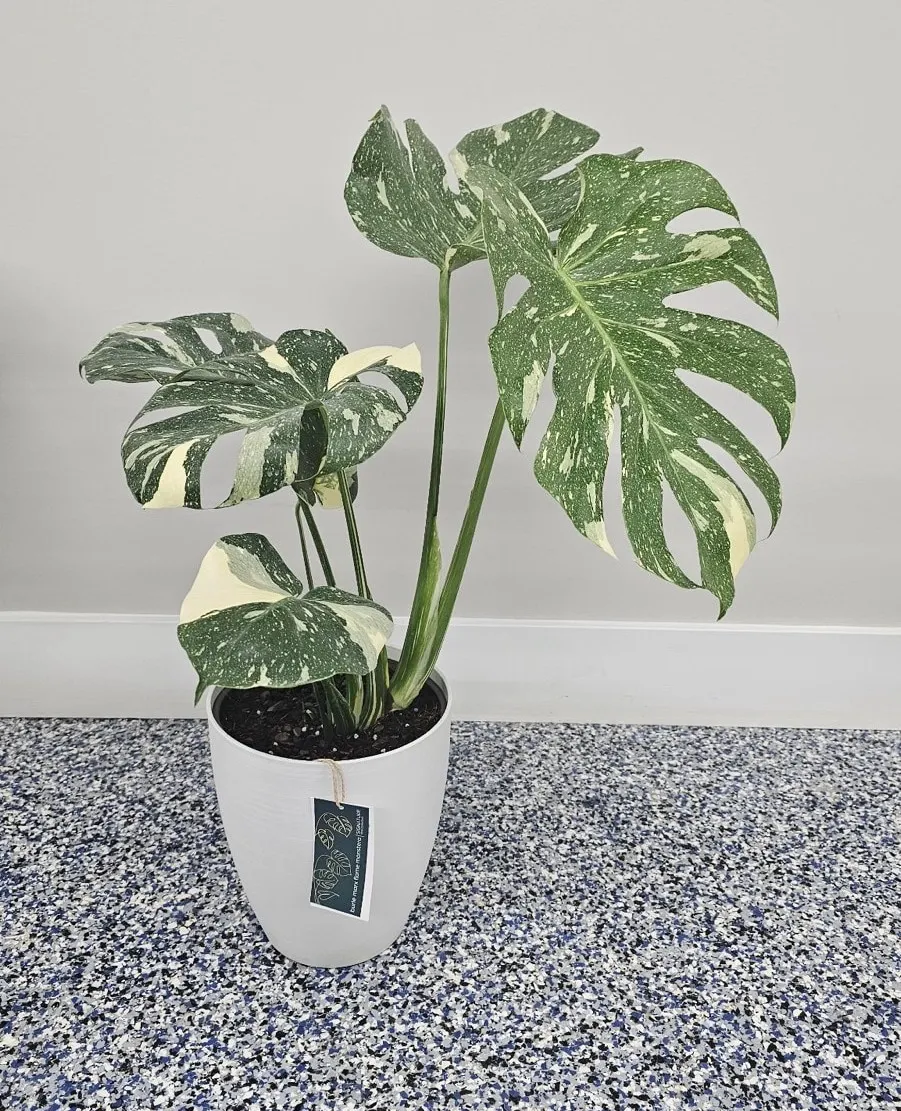
For a limited time, shoppers at selected stores in Alabama, Georgia and Publix’s home turf of Florida can take home two varieties of Monstera plants. One, Monstera deliciosa aurea, “is celebrated for its naturally occurring golden variegation” and features “coloring that makes it especially eye‑catching and unique,” Publix proclaimed. The other, Monstera deliciosa creme brulee, offers “a dessert‑inspired appearance” with leaves that “are a blend of soft cream, yellow and caramel tones layered over lush green foliage,” according to the grocer.
So while the plans aren’t intended for consumption, they certainly have appetizing names.
Publix noted that both types of Monstera plants are “prized by plant enthusiasts for their bold foliage and one‑of‑a‑kind beauty” — and are therefore available in “extremely limited” quantities.