Dive Brief:
- Target’s food and beverage sales grew 7.2% year over year to just under $6 billion during the second quarter of 2026, the retailer reported Wednesday.
- The company’s overall results also showed substantial improvement in Q2, as net sales moved up by over 5%, to $26.5 billion, while store comparable sales increased by nearly 3%.
- Target’s grocery business is moving ahead at a brisk pace as the company strives to return to sustainable growth under new CEO Michael Fiddelke.
Dive Insight:
Target’s robust food and beverage sales during the second quarter stand in sharp contrast to the performance of its grocery business in the same period last year, when sales for the department were up by less than 1%.
The retailer’s net sales and comp sales also made notable improvements from the second quarter of 2025, when both of those metrics were down.
Target made substantial progress during Q2 in its effort to drive growth by “serving busy families by becoming more relevant in the areas that matter,” although categories like apparel underperformed, Chief Merchandising Officer Cara Sylvester said during an earnings call on Wednesday.
The improvements came during a period when Target completed what Fiddelke described during the earnings call as “the largest volume of in-store transitions of any quarter over the past decade” for the company. Those changes included adjusting the layout of almost half of Target’s center store grocery assortment, said Fiddelke, who became CEO in February.
Target has made operational improvements at the same time as it devotes resources to resetting customer expectations and enhancing the shopping experience, Fiddelke added.
“[E]ven with this volume of change, we're seeing continued progress on inventory reliability and guest satisfaction metrics, which are now reaching levels we haven't seen in many years,” he said.
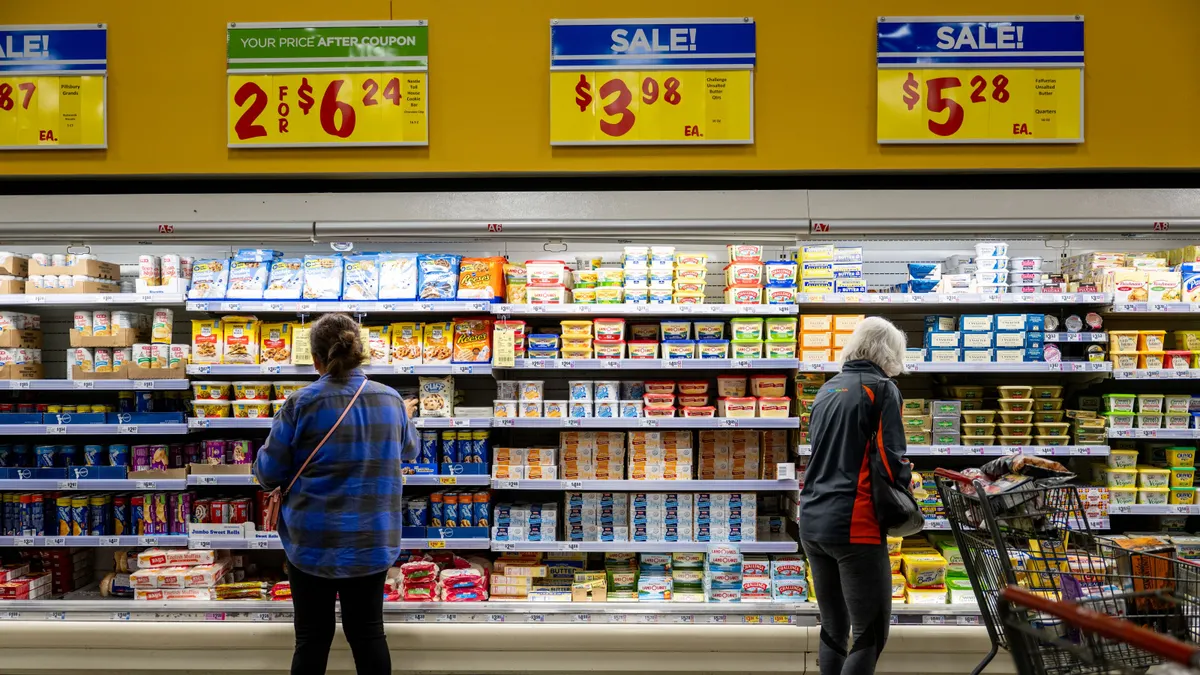
In addition to reorganizing its aisles, Target added to its selection of fresh produce and added space for rapidly growing categories like international foods and snacks, according to Sylvester. Sales of protein bars, meat sticks and better-for-you snacks were particularly strong, she said.
The improvements reflect Target’s drive to position its stores as primary destinations for groceries, according to executives.
“It’s our goal to make Target a destination for discovery, and that’s just as true in a category like food as it is in a category like apparel. And the traffic strength that we saw in the second quarter, I think, is evidence that guests are finding that discovery at Target,” Fiddelke said during a media call on Tuesday.
Retail Dive reporter Dani James contributed reporting.