More than a Store is a regular column that delves into the experiential side of grocery retailing.
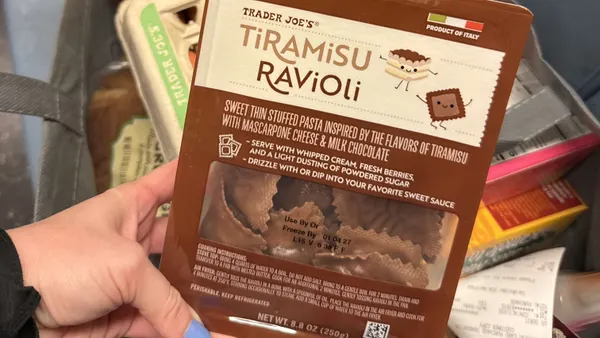
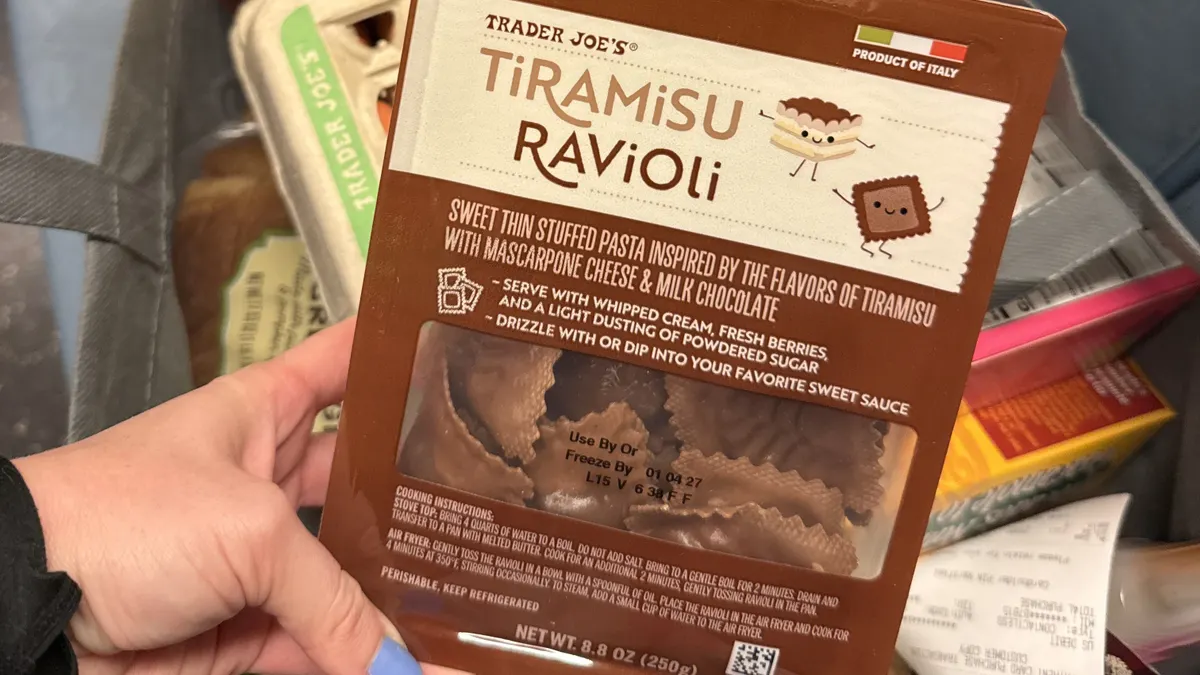
Earlier this month, I stirred up chaos in chats with my work colleagues and friends when I shared that I had tried Trader Joe’s tiramisu ravioli.
When the pasta-based dessert popped up on my Instagram, I was intrigued enough by the outrageous concept to try it. I needed to do a weekly grocery shop anyway, so I figured I could head to the specialty grocer to also get my usual list of items.
It’s not every day that I see a dessert that I have to boil water to make, but I noticed that the limited-time offering comes as ravioli is all the rage. Rat-shaped ravioli, for example, is trending on social media. Target has also hopped on the bandwagon with a red and green Christmas-tree-shaped ravioli featuring five cheeses that’s part of its holiday assortment.
These aren’t the only grocers serving up their own twists on trending food products and ingredients. Sprouts Farmers Market, which is no stranger to going viral, has the internet buzzing over its limited-edition purple sweet potato pie, which taps into the vegetable's popularity with foodies for its rich color and health benefits.
Target executives have been hyping the retailer’s increasingly “trend-forward” assortment strategy. In March, when Target outlined its turnaround plan, the retailer said its food and beverage strategy would help the retailer position itself as a style-focused discounter.
During the Private Label Manufacturers Association’s Private Label Trade Show this year, John Conlin, senior vice president of merchandising for Target’s food and beverage division, shared that 40% of the retailer’s customers are looking for new food items — a demand the retailer is trying to meet with all haste.
So far, tapping into popular cultural moments appears to be helping Target turn around its financial performance. For the last two consecutive quarters, the retailer posted a roughly 7% year-over-year increase in food and beverage sales — outpacing its comparable-store sales growth for both quarters.
While grocers have long cared about appealing to consumers’ foodie preferences, the influence that social media can play in food inspiration provides opportunities for retailers to not just follow the trends, but also set them. Being a trendsetter can be a key way for grocers to stand out from the pack, especially as grocery unit sales remain under pressure and conventional food retailers see discounters and specialty retailers encroach on their sales.
As I’ve been perusing retailers’ aisles and websites, I’ve noticed some common threads with how they are staying on trend — and even trying to launch their own.
Tapping into private label
It will likely come as no surprise that private labels are playing a key role in helping retailers tap into trends — and nab consumer loyalty in the process.
When Walmart launched its bettergoods grocery line in 2024, the mass retailer noted that the brand would further help to “bring trend and innovation to market at scale.” The retailer is making good on its promise; the line is leaning into the Dubai chocolate craze with a chocolate spread and truffles and looking to satisfy gouda cravings with Smoked Gouda Mac N' Cheese Flavored Wavy Potato Chips.
Gen Z shoppers rate the quality of private label products higher than other generations, according to research that Circana shared earlier this year. And private brands are using social media and virality to connect with these younger shoppers, the research firm noted.
With social media platforms like TikTok serving as a major hub for product discovery and social commerce, especially among younger consumers, grocers should both monitor which ingredients and flavors are gaining traction as well as post about their innovative offerings — or enlist the help of social media influencers to spread the word.
Case in point: I probably wouldn’t have spotted the tiramisu ravioli tucked among the fresh foods case at my local Trader Joe’s. I found out about the product when a reel from @traderjoeslist popped up on my Instagram feed.
Turning to LTO
Having a creative idea might not be enough to drive foot traffic, especially if a store is an occasional or infrequently shopped location for a particular customer. That’s where limited-time only products can drive sales.
Making a product only available for a limited time or as part of a seasonal assortment can provide the urgency for customers to make a purchase before it’s gone. It also gives retailers a trial period to see if an item sticks. If it does, they can plan on bringing it back.
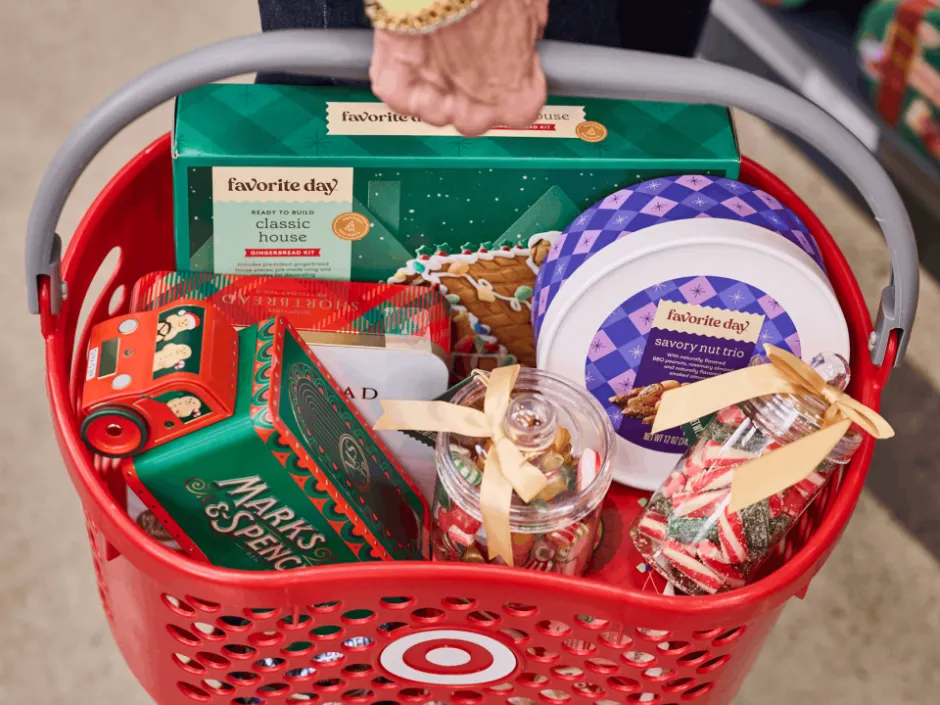
Target has more than 250 new food and beverage items as part of its holiday assortment, with several aimed at tapping into trends like mini gingerbread village kits for consumers’ desire for “tiny treasures.” To appeal to shoppers’ sense of nostalgia, the retailer’s Favorite Day brand released its first-ever nostalgic candy collection, which includes Old Fashioned Ribbon Candy and candy jars starting at $5.
Taking risks can pay off
Trader Joe’s described its tiramisu ravioli as “a grocery list plot twist” — and I think more grocers need to take risks like this when it comes to interesting flavor profiles and whimsical offerings.
Sometimes, trying to harness trends can turn controversial. But grocers can use missteps as learning opportunities and demonstrate that they listen to customer feedback.
When Asian flavors started gaining widespread popularity in the U.S., H-E-B’s take on the Japanese strawberry sando in 2025 garnered mixed reviews and a lot of social media chatter. The feedback centered on the grocer’s use of white Texas toast, which gave a crunchy texture that was a stark departure from the traditional fluffy texture the sandwich is known for. The Texas grocer seemed to listen to the feedback. It updated the sando with milk bread and gave it new whipped cream and a lower price point, Chron reported.
Hot takes in the grocery aisle can pay off as a way to bring a shopper into a store or to their online storefront — and then capture more of their grocery spend.
Most of the people I told about the tiramisu ravioli were not interested in buying it for themselves. But Trader Joe’s nabbed a full grocery trip that I likely would have done at a store closer to where I live. In today’s hyper-competitive, trend-chasing industry, I’d call that a success for TJ’s.