Conditions are ripe for grocery inflation to rise at a relatively fast clip over the coming months as persistently high energy costs and rough climate conditions pose challenges for food producers and retailers, Ricky Volpe, professor of agribusiness at California Polytechnic State University, said Thursday during a briefing hosted by FMI — The Food Industry Association.
The high price of diesel and the start of an El Niño weather pattern that meteorologists expect to be especially powerful are likely to disrupt supply chains, putting upward pressure on food prices and pushing up food-at-home prices at a faster-than-average pace at least into early 2027, Volpe said.
“There’s not a whole lot that’s moving in the right direction in terms of keeping food prices flat or down right now … it would surprise me to see food prices go flat or trend down in the next four or five months,” he said.
The Producer Price Index, which tracks wholesale prices and provides clues about the future direction of retail prices, has been rising in recent months, with costs for transportation, commodities, energy and storage all going up, Volpe noted.
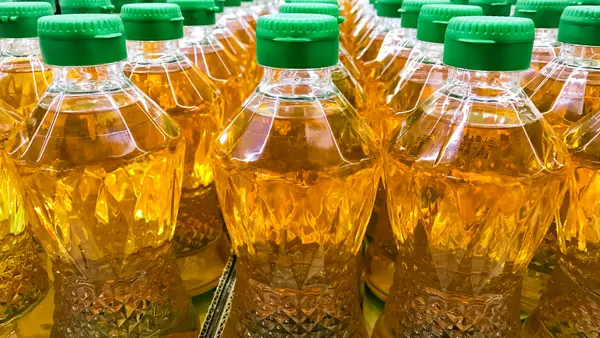
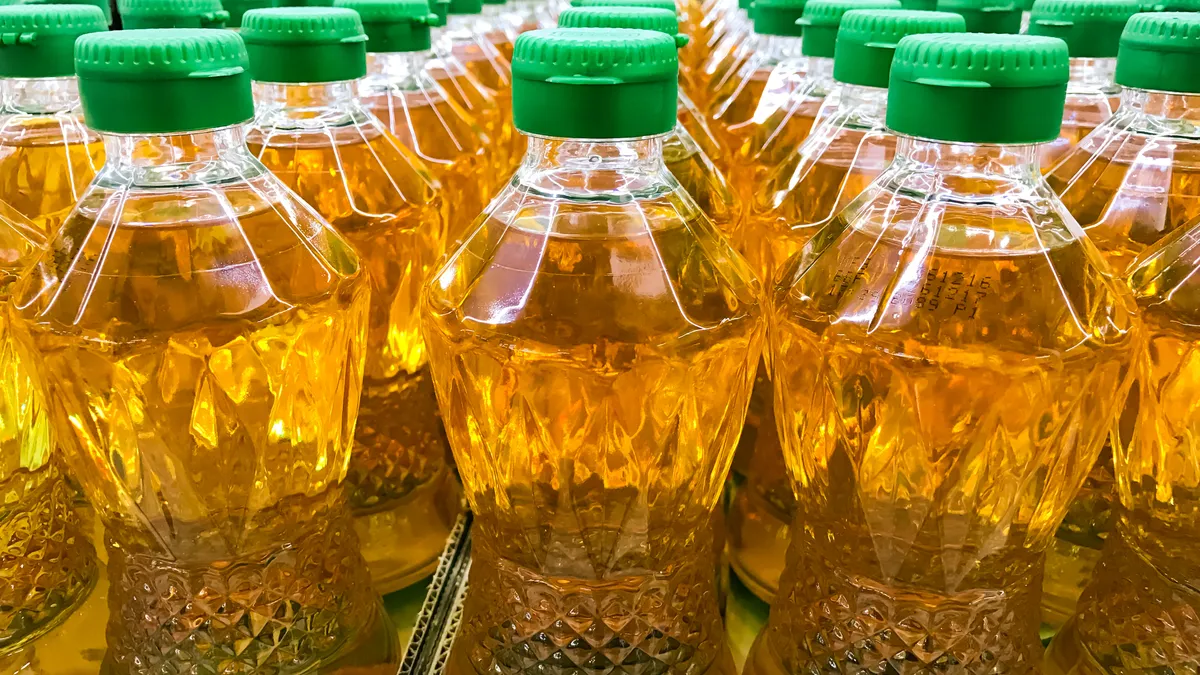
Volpe pointed to palm oil as an example of an essential ingredient in foods including baked goods and cereals that could become more expensive because of El Niño, as parts of the world that are major producers of the commodity are likely to see unseasonably high amounts of rain. Rice, coca and coffee are other common foods that could rise in price because of the weather phenomenon, he said.
“[W]hen folks go to the supermarket and they see the price of eggs or tomatoes or steak or breakfast cereal or whatever it may be, that is just the very end, the culmination of that food supply chain,” Volpe said. “There are all these transactions that happen behind the scenes, and many of these transactions have been subject to substantial inflation in recent years.”
Volpe underscored that while the U.S. is a major producer of many goods, such as rice, food costs are heavily impacted by global market conditions.
“Whether the United States is a net importer or exporter, global variations in availability and prices are going to hit the domestic prices,” he said.
Grocery inflation has bumped around on a month-to-month basis in 2026 but rose last month at the fastest pace since April, the U.S. Bureau of Labor Statistics reported last week.
Volpe noted that the 0.4% jump in grocery inflation recorded in October was “pretty substantial,” adding that if the metric increased at that rate every month for a year, it would translate into a 5-percentage-point boost on an annual basis. The BLS did not report year-over-year figures for inflation last month because it did not capture data for the same period in 2025 due to the federal government shutdown.
Shoppers are feeling confident in their ability to manage their food expenditures despite the upward pressure on prices, survey data from FMI shows. While 62% of people the trade group polled for its latest Grocery Shopper Trends report said that their income is not keeping up with inflation, more than 70% indicated that they are “doing OK so long as they stick to their budget,” Steve Markenson, vice president of research and insights for FMI, said during the briefing.
“We’re seeing concerns, a little angst in terms of the shopper. That remains strong as we’ve seen over the past two years, said Markenson. “But shoppers do feel that they do have a sense of control and they're navigating the environment that they’re working in.”