More than a Store is a regular column that delves into the experiential side of grocery retailing.
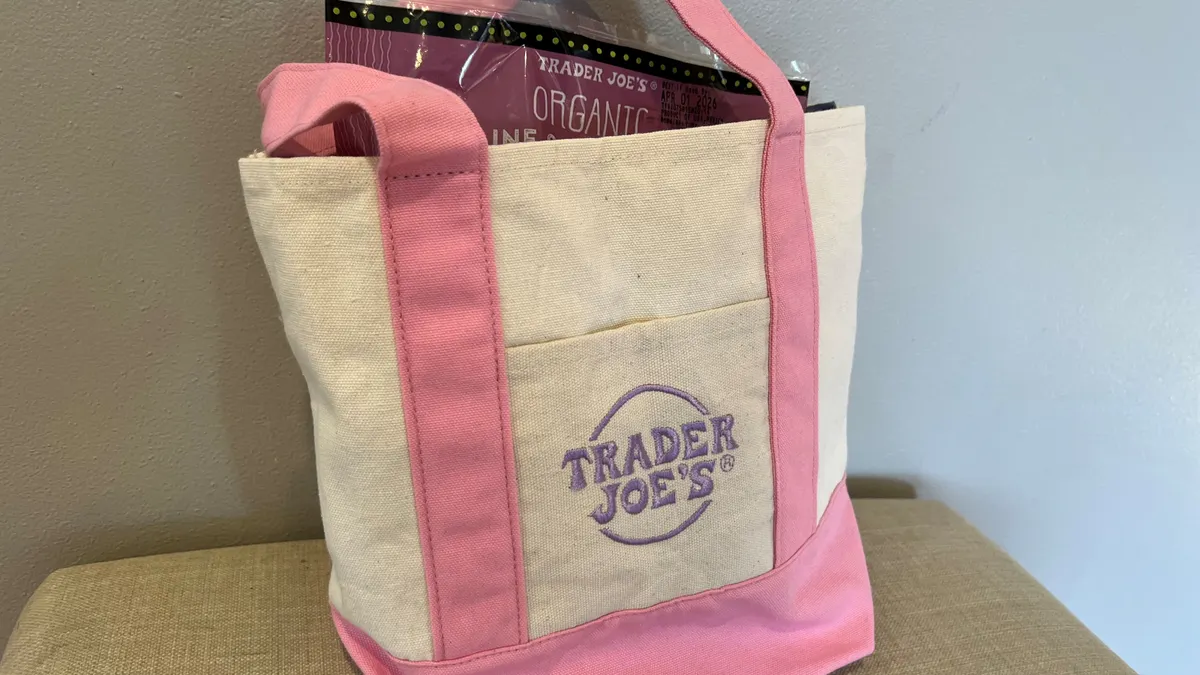
During our daily Grocery Dive team meeting last week, the latest batch of viral Trader Joe’s tote bags was the main topic of discussion. Jeff Wells, lead editor for Grocery Dive, shared how during a recent trip to the grocer, he saw fellow shoppers flock to a pallet filled with the $3 mini pastel colored canvas totes, which the chain had just released. He decided he couldn't leave without buying one.
His story got me thinking about my own growing collection of grocery merch. Just last fall, during a trip to Rhode Island, I bought teeny tiny Trader Joe’s tote bags, which include a full-size tote folded up inside, in different colors as souvenirs for my friends. Those bag-within-a-bag “micro totes” have also gone viral.
The mania that ensues whenever Trader Joe’s releases a fresh set of tote bags is a prime example of how grocers can capitalize on branded merch to drive sales — and possibly, fuel valuable company fandom.
Trader Joe’s isn’t the only one turning to merch as a brand builder. A range of grocers, from discounters to upscale food retailers, have recently rolled out plushies, logo-bearing sweatshirts and other items — a trend that I expect will continue to be successful as long as grocers are smart about their merchandising choices.
All this merch is coming at a time when grabbing customers’ attention and then retaining them has been a hot topic for the nearly six years I’ve been reporting on the grocery industry. Endearing customers with branded merch is a way to scratch the psychological itch people have to feel like they belong to a group — something I know all too well from finding instant connection with fellow “Swifties” who adore Taylor Swift’s music just as much as I do.
Here are four thoughts on how grocers can tap into branded merch to better connect with shoppers.
Limited-time only
Get ‘em while they last seems to be a winning strategy for not just Trader Joe’s, but for the restaurant industry and CPGs. For consumer-facing industries, LTOs can drive a sense of urgency and scarcity — the classic “fear of missing out.”
Grocers have turned to LTOs before — from their deli departments to private label — to spice up grocery selections. Publix even jumped on the Nashville hot chicken sandwich bandwagon in 2023 with its own LTO food offering.
Why not deploy the same strategy with branded merch to drive customer engagement and interest? The Pantone color of the year, kid-created artwork printed on T-shirts and tote bags or seasonally-timed collectibles — à la Starbucks — can all be inspirations.
Dial up the cuteness with a mascot
From Kroger’s Krojis to Natural Grocers’ private label animal mascots, the grocery industry has no shortage of adorable characters.
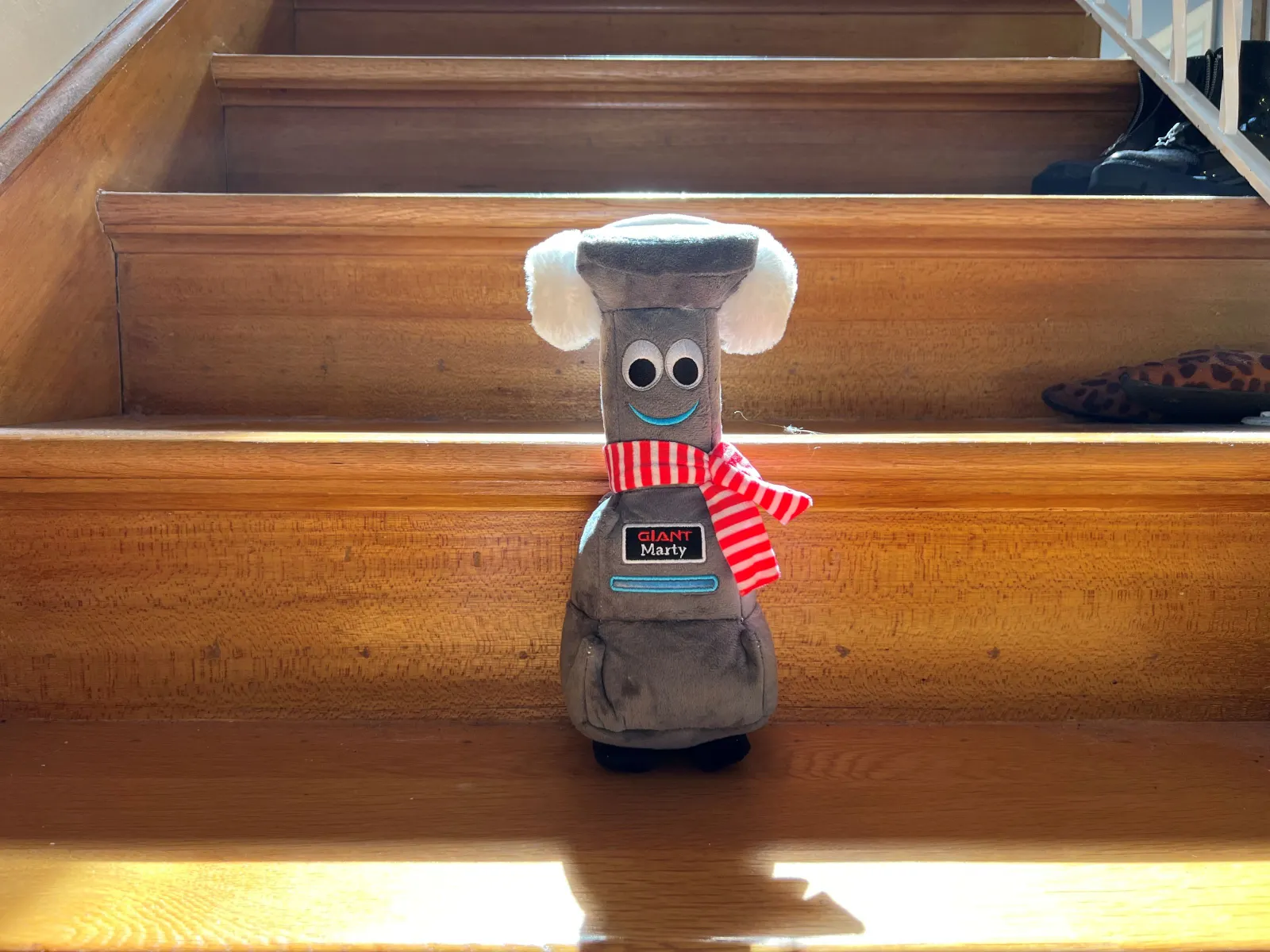
Stop & Shop is a great example of a grocer that has capitalized on the fandom around its unofficial ambassador: Marty, the aisle-scanning robot that the grocer put giant googly eyes on. Stop & Shop ultimately released collectible Marty plushies — which my boss also happens to have.
In 2024, I bought Target’s foldable pocket bag that looks like its bullseye dog mascot while waiting in line to check out.
If you’re a grocer that hasn’t embraced animal or robot mascots, there’s still room to play. H-E-B has made an entire personality out of its revered tortillas — even going so far as to sell a giant tortilla-looking blanket and tortilla-scented candles.
If you do wearable merch, make it stylish.
Who wants boring clothing or accessories? If you’re going to sell branded sweatshirts, baseball caps and other wearable items, make sure they’re stylish.
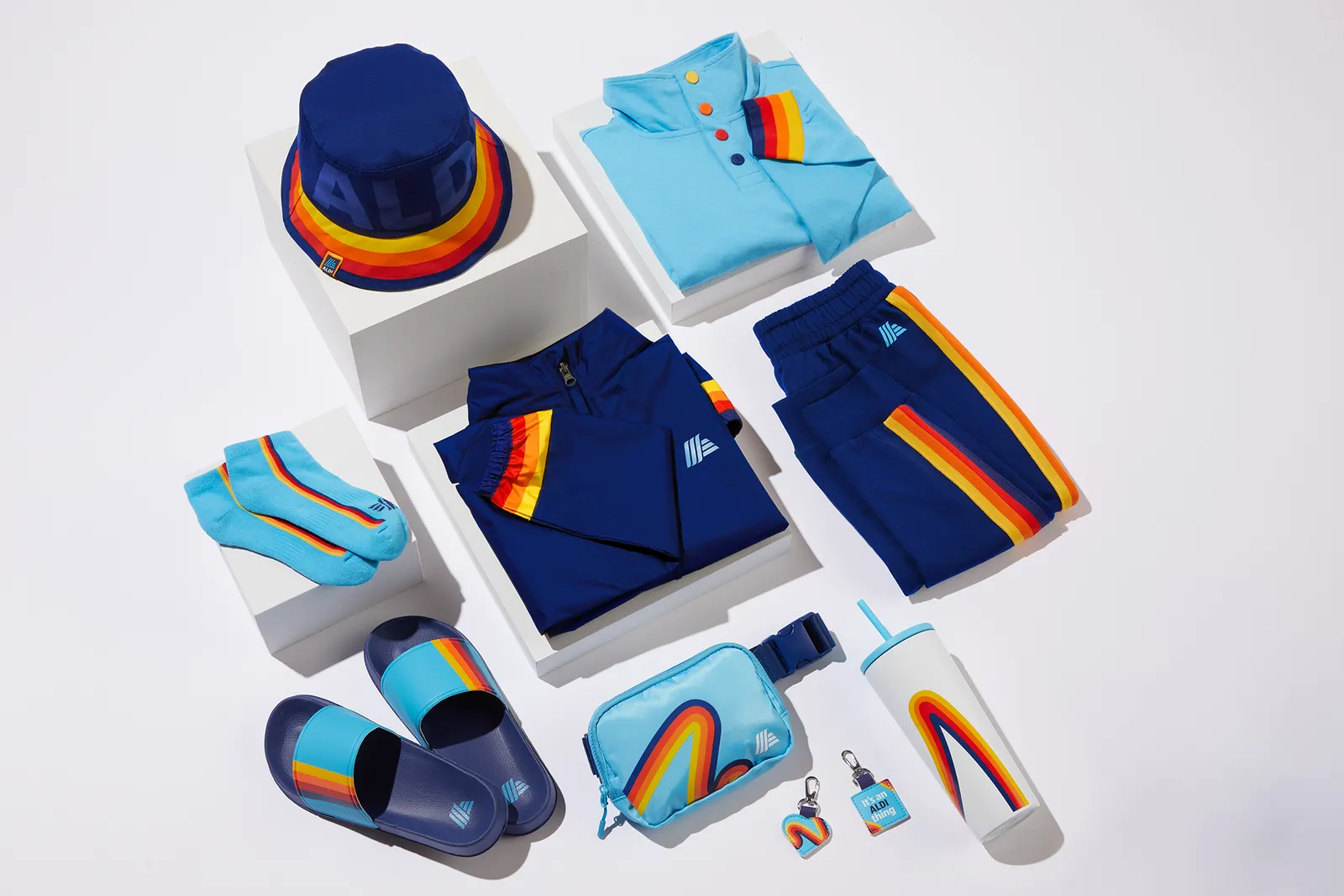
Aldi, for one, regularly incorporates its bright colors into its merch, with sweatpants and vests that look like they came out of a clothing department store. Aldi also offers a range of options — women’s, men’s and children’s clothing — so the whole family can match.
In 2022, Instacart said it teamed up with streetwear designer Anwar Carrots “to pay homage to our shared carrot heritage.” The four-piece capsule collection — a tote bag, water bottle, long-sleeve T-shirt and bucket hat — was not only punny, but a clear attempt by Instacart to appeal to younger consumers already interested in the streetwear aesthetic.
Know your audience
It’s no surprise to me that upscale specialty grocer Erewhon’s branded merch includes $70 hats, $143 bags, a $120 cooler bag and a $145 crewneck. The grocer has a reputation for selling expensive groceries, so of course the merch is also spendy.
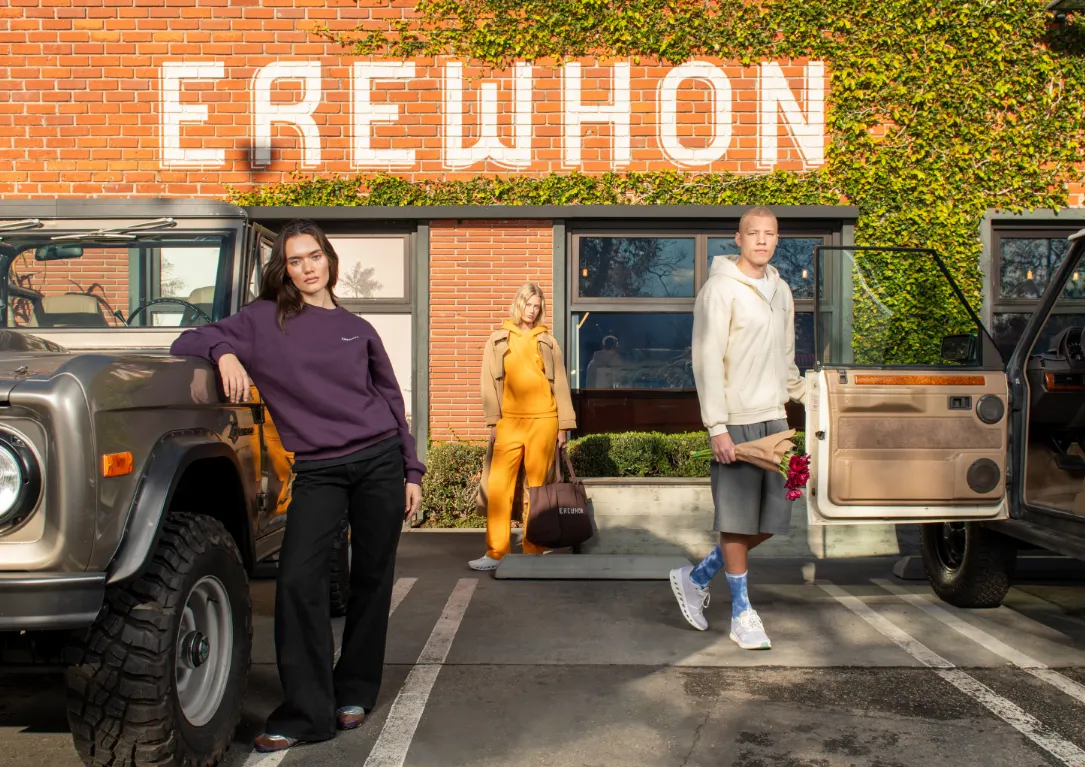
But very few grocers can get away with selling a $170 natural cork yoga mat. This is where knowing your audience comes into play. Do they want animal mascot fridge magnets? Plushies? Canvas tote bags? Water bottles? Maybe even a Hawaiian-shirt-clad catnip toy — which I actually snagged during a separate Trader Joe’s trip.
I, for one, will keep collecting foldable tote bags and would love to add some branded laptop stickers or fridge magnet bottle openers to show off not only my favorite places to shop, but also souvenirs from my travels. After all, grocery shopping is a universal experience that connects people.