Aisles Abroad is an occasional feature that examines notable grocery initiatives outside the U.S.
As the affordability crisis gripping the United Kingdom unfolds in real time, one of the country’s leading discount grocers is looking to the past to guide shoppers on how to save money today.
Iceland Foods, which runs approximately 900 stores across the U.K., recently did a deep dive into its decades-long history of offering certain products for 1 British pound ($1.34) as it sought to sharply expand the range of goods it offers at that price level.
The grocer’s marketing team was especially interested in collecting details about which goods it formerly included under the one-pound concept, said James Shaw, the company’s archivist.
“We introduced a lot more new products at the one-pound range than we had for a while, and we wanted to run some promotion on this. I was presented with a big list of products and asked how long — [for] as many of these products as you can find — [they] have been one pound for,” Shaw said.
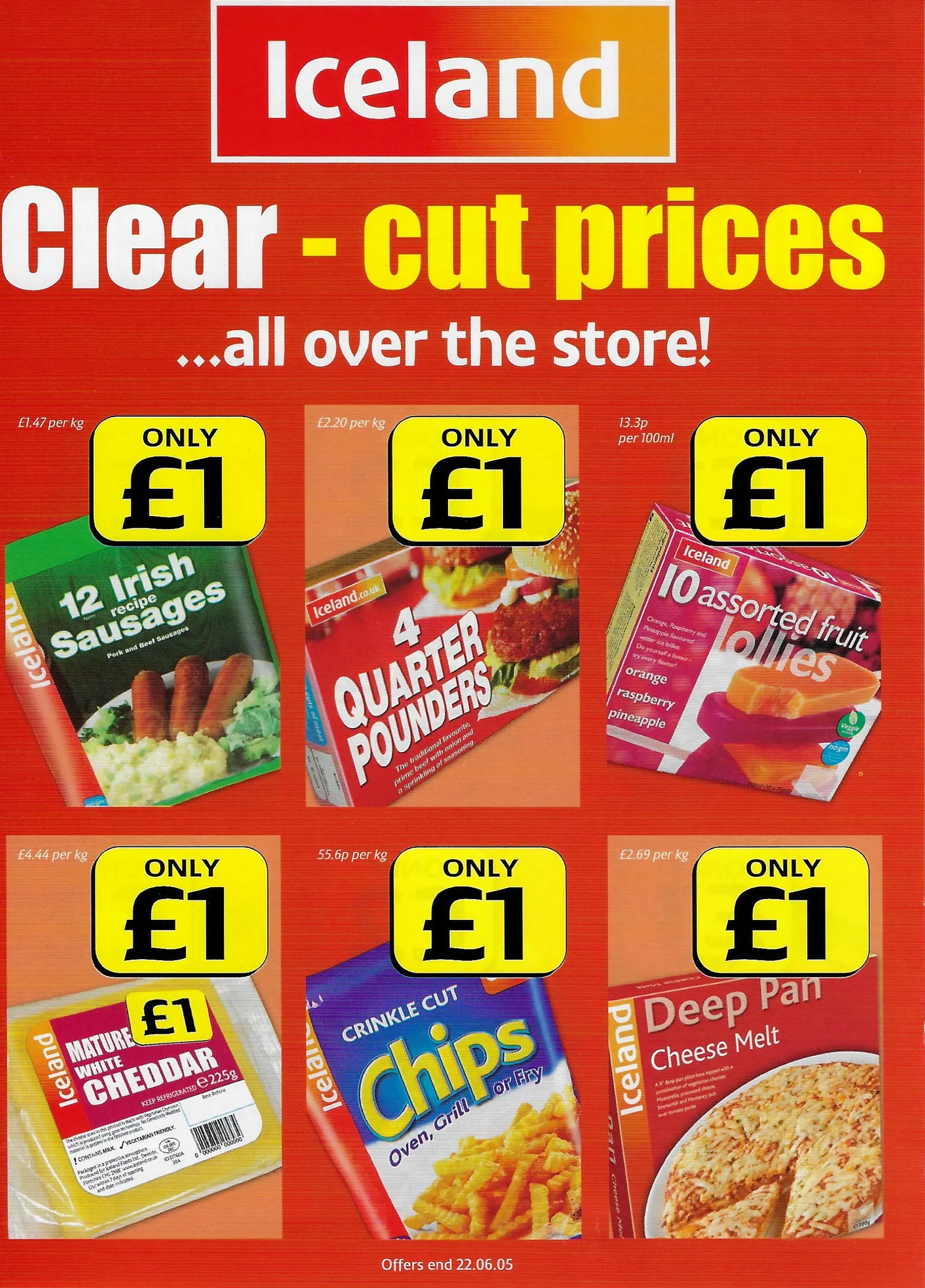
Iceland rolled out its “round pound” pricing strategy about 20 years ago while recovering from a financial downturn that pushed the company close to bankruptcy in 2004, according to its website. The grocer turned around its financial performance, going from a 10% sales decline to 20% year-over-year sales growth by early 2006.
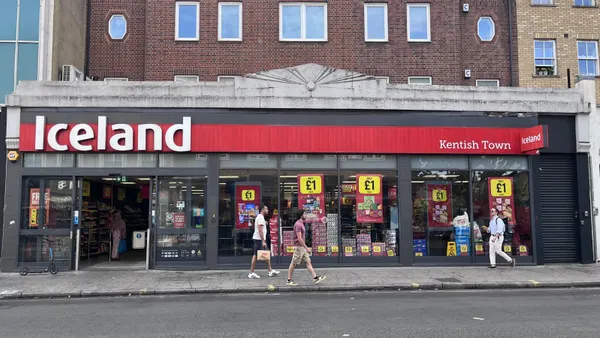
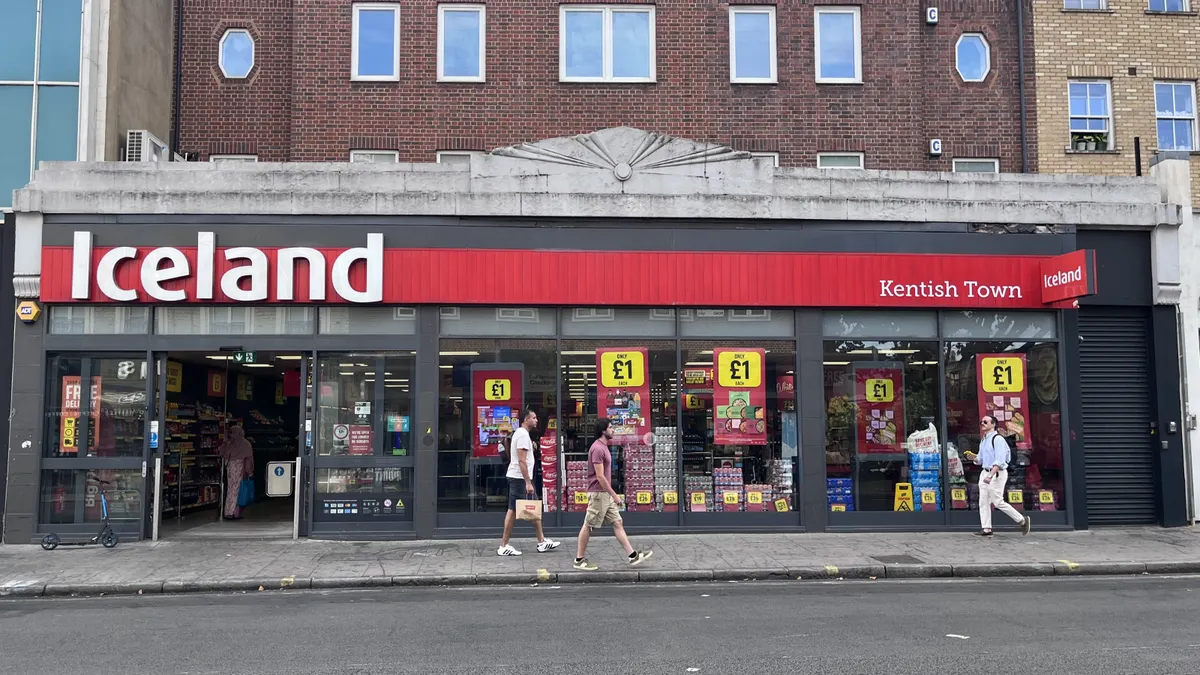
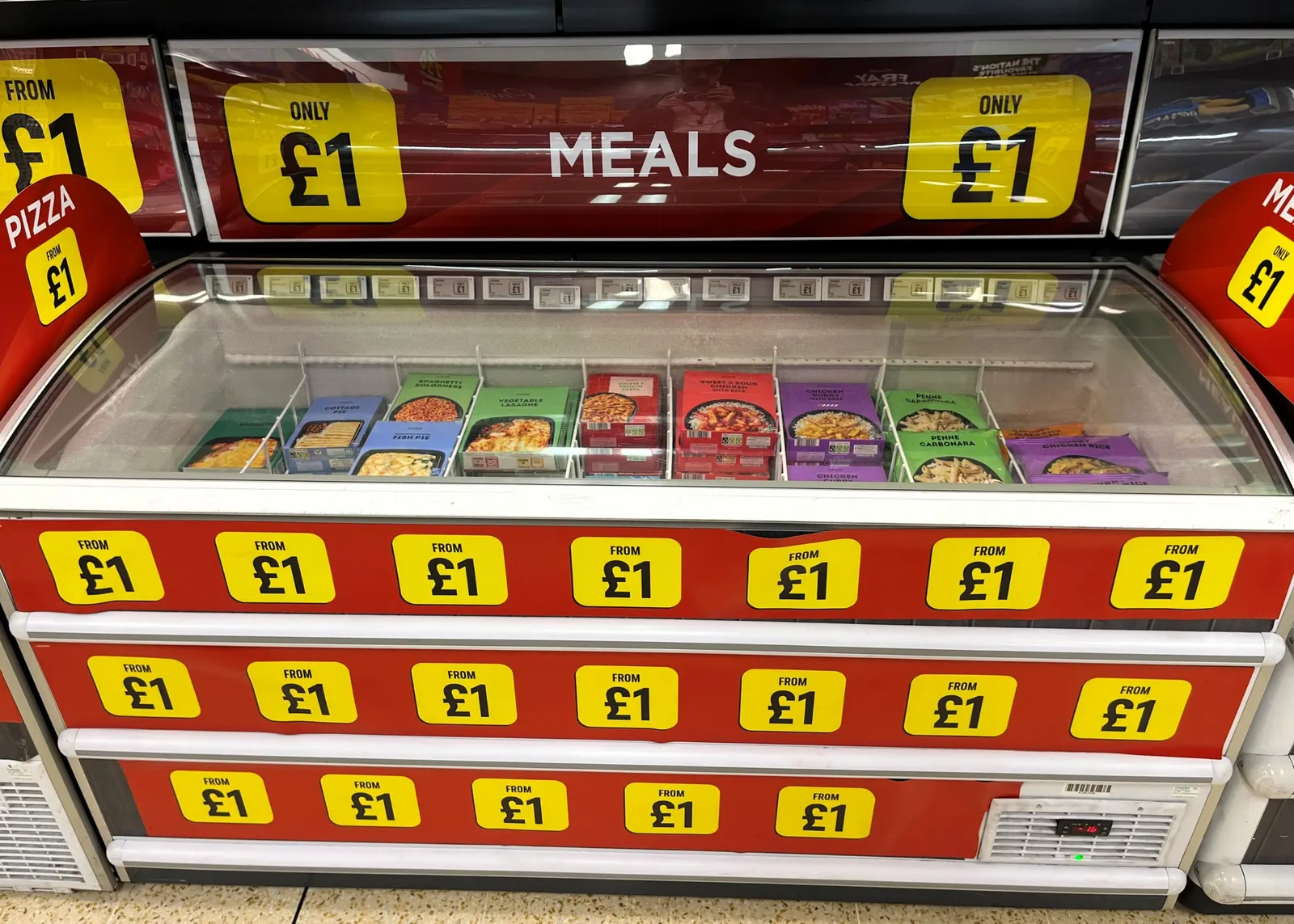
Fast forward two decades and the grocer still calls out low-priced products. Iceland heavily promotes its line of products — from fresh and frozen foods to snacks and candy — that cost 1 pound or less, including with advertisements in store windows, in-store signage and on its website.
Gathering historical information about the grocer’s pricing history required Shaw to manually search through old price lists, product materials and other paper records. The project underscored the challenge he faces in mining the trove of information Iceland has amassed since it was founded in 1970 for insights the retailer can tap to sharpen its value proposition, he said.
To turn its library into a more potent tool, Iceland is working with Preservica, a technology company that helps corporate archivists digitize and rapidly sort through large volumes of information. The companies began their collaboration about three years ago, and Iceland has made substantial progress as it strives to add its records to Preservica’s platform, Shaw said.
Shaw said it took him a few days to fulfill the request he received for historical information about Iceland’s round pound strategy, adding that once the company’s records are fully digitized, the same type of task would probably take only a couple of hours.
In addition to Iceland, Preservica works with companies including McDonald’s and British retailer and financial services company John Lewis, said Preservica CEO Mike Quinn. Preservica also provides digital records-management technology to the U.K.’s National Archives under an arrangement that dates back to 2001.
Preservica’s technology can help companies locate historical materials from the distant past, which can be helpful in situations when an iconic product reaches a significant anniversary, Quinn noted.
“That sort of thing can very often drive a focus on the archives,” Quinn said. “You go to the marketing team. They haven’t got stuff from three years ago, let alone 30 years ago. So, naturally, the team [they] go to is the archives.”
Preservica not only helps companies organize reams of information, but also prove that their brands and products are actually theirs, Quinn added.
“Preservation shows you the provenance and it shows you the authenticity, and you can get your trail right back to the original physical asset or the original digital asset,” he said.
In another example of how Iceland is tapping its archives, the grocer plans to introduce a product early next year inspired by an item the grocer stopped selling years ago that was featured in an old staff magazine, an Iceland Foods spokesperson said in a statement.
“This discovery included previously unseen packaging artwork and enriched our understanding of the product’s history. As a result, we’re excited about the potential to reintroduce this nostalgic favourite to a new generation of shoppers,” the spokesperson said. “The ability to quickly access and retrieve rich historical information is a significant asset for the business, encouraging teams to engage with the archive as a source of inspiration and brand storytelling.”