Walmart’s announcement last month that it has started delivering groceries in a half hour in dozens of markets might look like just another move by the retailer to keep up with Amazon, which said only two weeks earlier it was expanding its own 30-minute grocery delivery service.
Look beneath the surface, however, and the race between the two retail giants to satisfy consumers' desire for speed exposes an emerging trend that could eventually have profound implications across the grocery sector, according to industry analysts.
Amazon and Walmart have long posed a threat to brick-and-mortar grocers online because of their vast reach and deep pockets. But as they build out their 30-minute offerings, they are taking away perhaps the top benefit grocery chains provide customers — convenience — said David Bishop, partner at grocery e-commerce consultancy Brick Meets Click.
Rapid delivery is “undercutting one of the core strategic advantages that regional grocers or supermarkets have historically enjoyed in the physical world, which is proximity to the customer,” Bishop said.
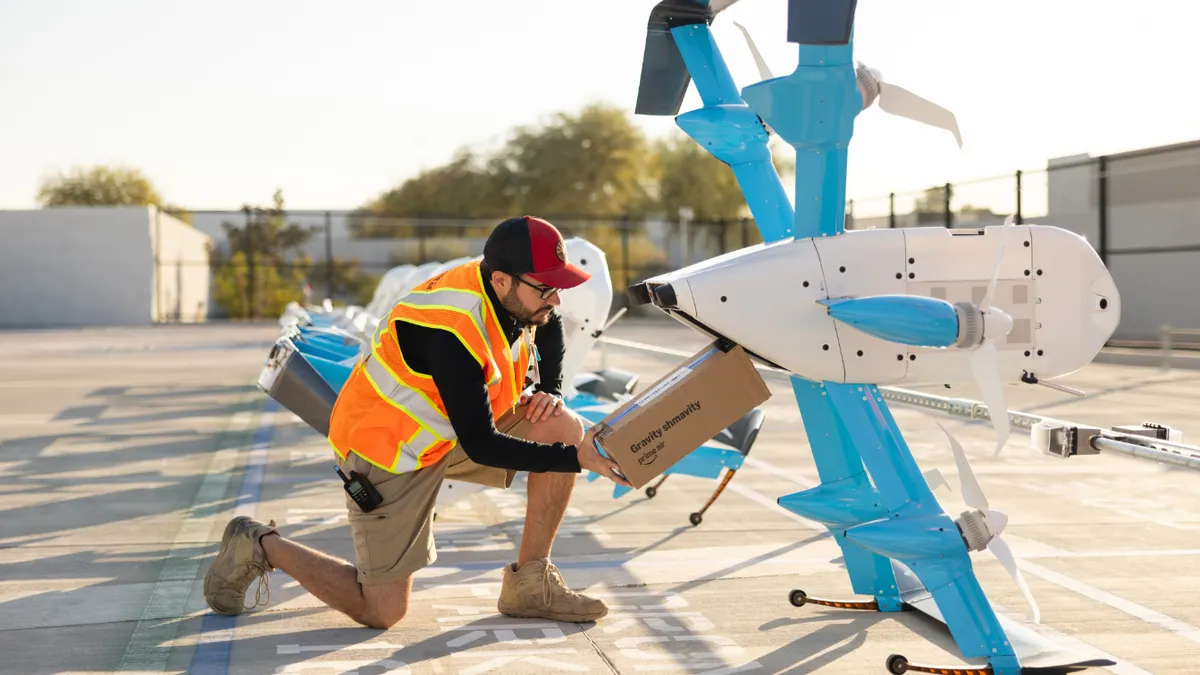
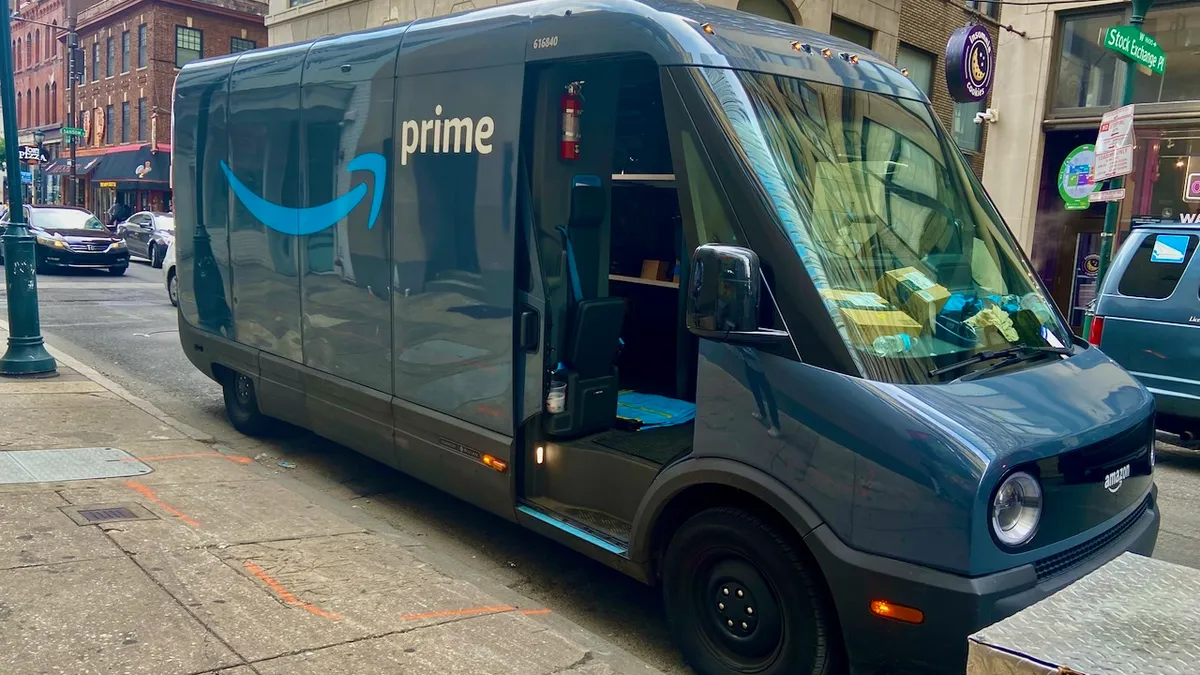
Amazon’s 30-minute delivery service, Amazon Now, already serves several major markets, including Atlanta, the Dallas-Fort Worth area, Philadelphia and Seattle. The company plans to bring the service to dozens more cities by the end of 2026.
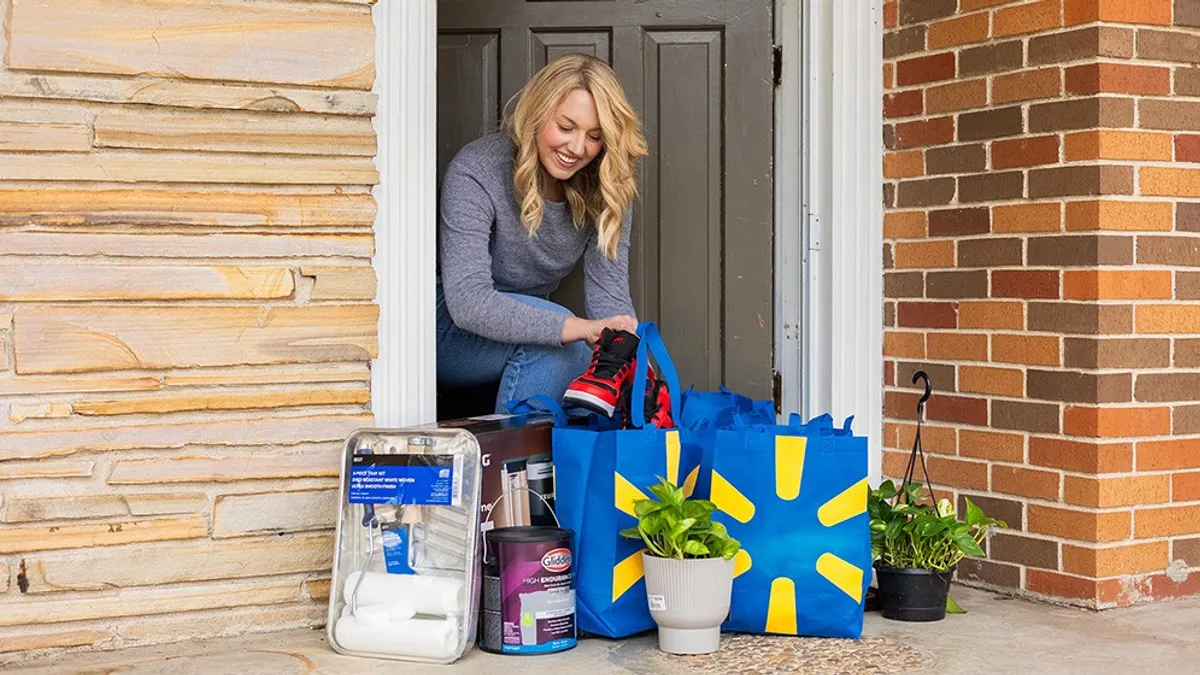
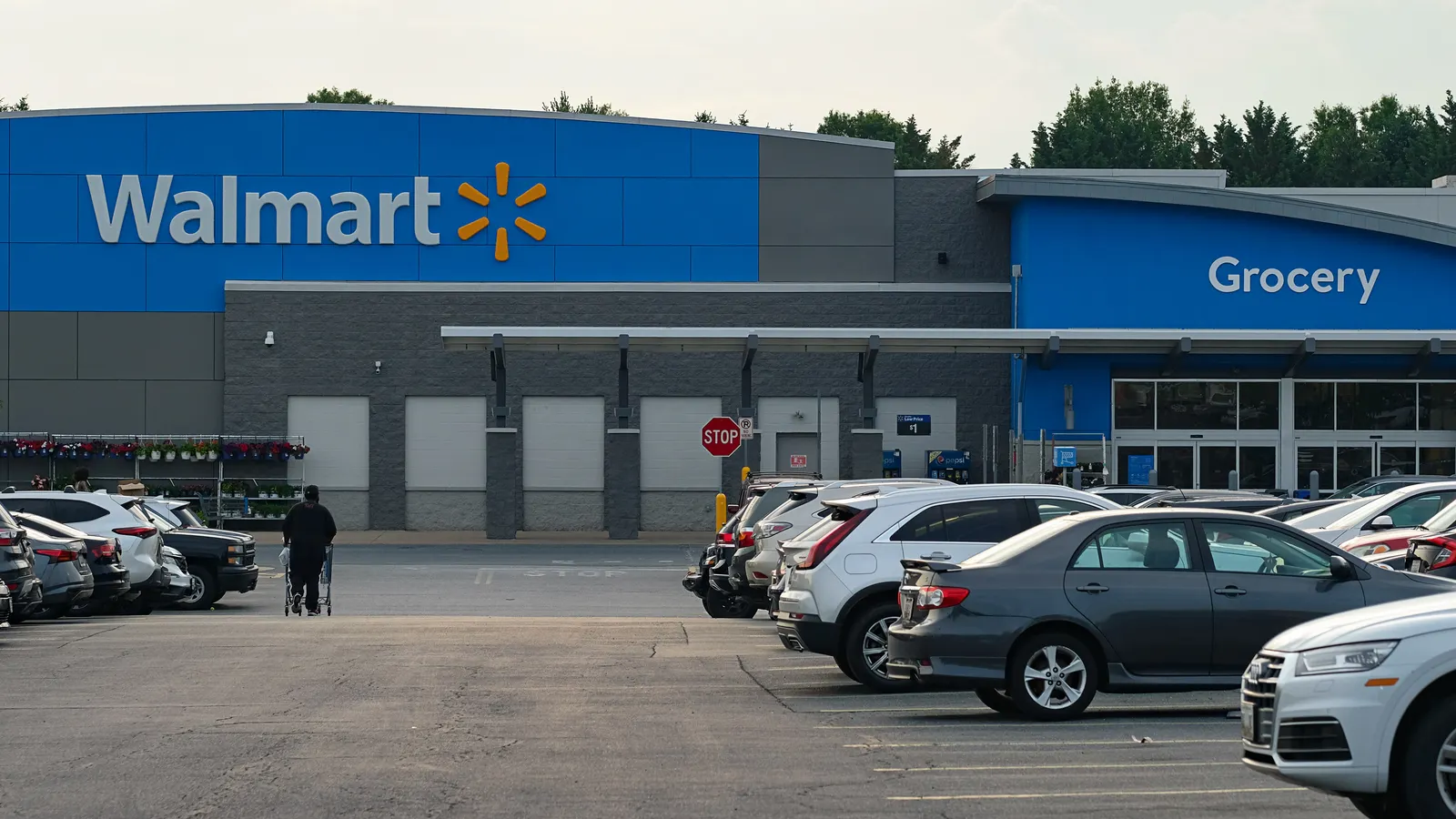
Walmart, meanwhile, currently offers its 30-minute service in 33 markets, noting that its network of stores gives it “significant opportunity to continue expanding delivery capabilities to more communities over time.” While Walmart formally announced the 30-minute service on May 28, it has been fulfilling orders that fast for more than a year, according to the retailer.
In another example of how Walmart is flexing its delivery muscles, the retailer announced last week that it would begin providing 30-minute restaurant delivery, starting with Subway locations in select stores.
Bishop pointed out that Amazon and Walmart pose an especially potent threat because they can quickly deliver basic goods that people are highly familiar with and buy often.
“If Amazon is able to demonstrate to households the ability to consistently and reliably deliver a quality product that’s a banana, to say the least, that’s concerning, because that has traditionally been one of the main trip drivers for supermarkets,” he said.
Michael Infranco, assistant vice president of RetailStat, observed that the recent steps by Walmart and Amazon to make grocery delivery more accessible are key reasons why traditional retailers are working with third-party providers to quickly scale up their e-commerce capabilities.
“They’re definitely putting pressure on [grocers], and you would expect them to keep running with that as long as they can,” Infranco said. “Anything that they can do to get a leg up on somebody else, they’re going to do via their size.”
In an example of how supermarket operators have looked outside for assistance in building up their delivery services, Kroger over the past year stepped up its partnerships with providers including Instacart, Uber and DoorDash. Kroger also works with those companies to provide 30-minute convenience delivery.
Albertsons and Ahold Delhaize have also looked to third-party providers to help them establish 30-minute delivery services.
Bishop noted that with its 30-minute service, Walmart is putting its stake in the ground as a “quick-trip” destination — a moniker the retailer has never had before.
Amazon, meanwhile, is gaining momentum by pivoting to better meet shopper expectations by putting groceries into the same category as its overall e-commerce business, Bishop said.
“They’ve realized, ’Hey, you know what? We’re creating friction, so let’s bring the products to the customer and put them where the customers are shopping, instead of putting it in the Whole Foods tab or the grocery tab.’ It’s now in the same day tab or the Prime Now tab,” he said.
What’s in store for Amazon and Walmart in high-speed grocery delivery?
Bishop said he thinks that while Amazon’s dominant online presence gives it a powerful lever to expand its grocery business, its relatively small brick-and-mortar presence is a liability that it eventually will need to address.
The company’s decision in January to shutter its entire fleet of Amazon Fresh supermarkets left it with only Whole Foods Market as a foothold in the physical grocery store space.
On the other hand, Amazon’s ability to bring fresh foods into its enormous online fulfillment operations was a “seminal moment” for Amazon because it allowed the company to build momentum in the grocery space on turf it knows best, Bishop said.
“What’s clear is now, after 20 years of learning, Amazon has identified and aligned with its core shoppers currently, and that’s going to drive strong growth for them over the next year or two,” he said. “But eventually they’ve got to figure out the physical in-store presence, because without that they’re missing the pick-up segment.”
Pickup also presents an opportunity for Walmart to improve, Bishop added, noting that the company faces strong competition from Target — another mass retailer with a large physical store presence — in the pickup space. That could change if Walmart is able to speed up its pickup operations, including its efficiency in getting orders to people when they show up to collect them, he said.
“That’s helped Target compete against Walmart, because it has a point of competitive differentiation, which is the speed of its cycle times for drive up and its speed of service. It's still gold standard,” Bishop said.
Infranco said Amazon’s massive scale in e-commerce doesn’t guarantee it a leading spot in the 30-minute grocery-delivery space.
“Just because Amazon says they’re going to do it doesn’t mean they’re going to do it well or do it forever,” he said. “Grocery has been very hard for Amazon … they’ve been in that game for a while, and it seems like they’ve had just as many setbacks as they had victories.”
Infranco pointed to Amazon’s purchase of Whole Foods almost a decade ago as a development that didn’t turn out to be as disruptive as many in the grocery industry had anticipated.
“Amazon goes and buys Whole Foods, and everybody’s saying, ’Oh my god, the grocery business has changed forever.’ Well, you’re almost 10 years later [and] from the Amazon owning Whole Foods standpoint, the sector hasn’t changed all that much,” he said.