The Friday Checkout is a weekly column providing more insight on the news, rounding up the announcements you may have missed and sharing what’s to come.
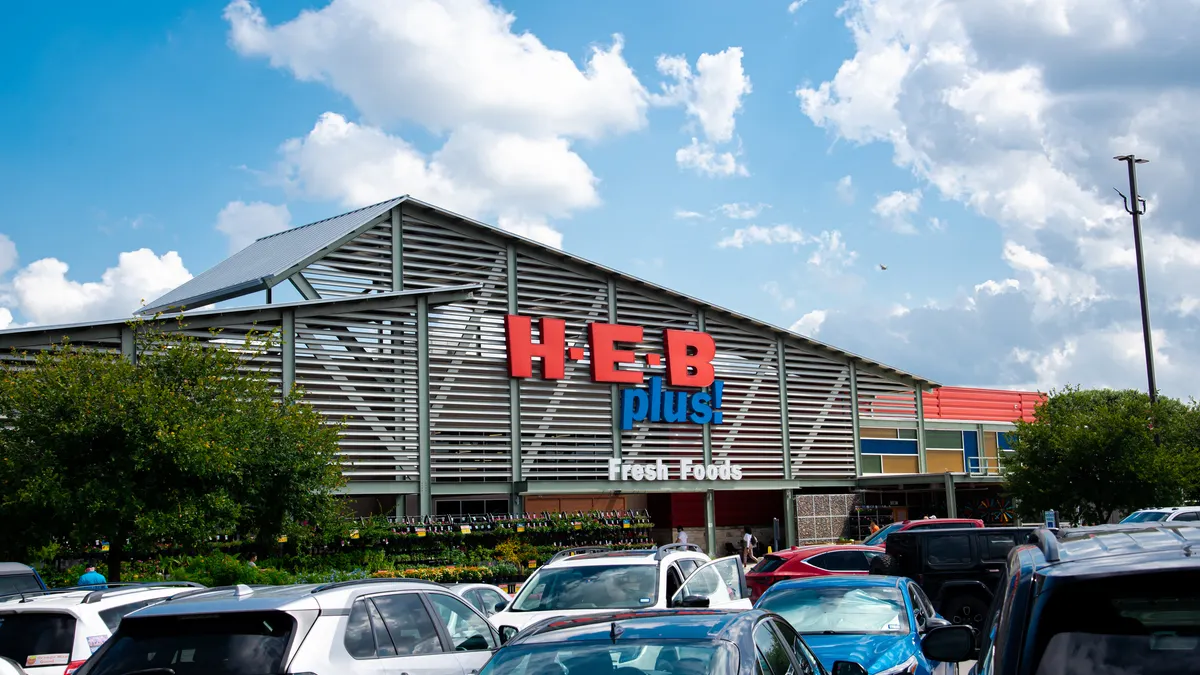
There’s a lot for grocers to like about Florida. It has a large and growing population. The state’s economy is on track to become a top 10 world economy, with a political climate that’s friendly to businesses. The weather is pretty swell, too.
A few chains have sped after this opportunity. Sprouts Farmers Market, The Fresh Market and Aldi have all made themselves at home in the Sunshine State, while Florida-based Winn-Dixie recently relaunched its brand, full of optimism about its ability to win over shoppers even as it operates in the shadow of Publix, the 800-pound gorilla in the region.
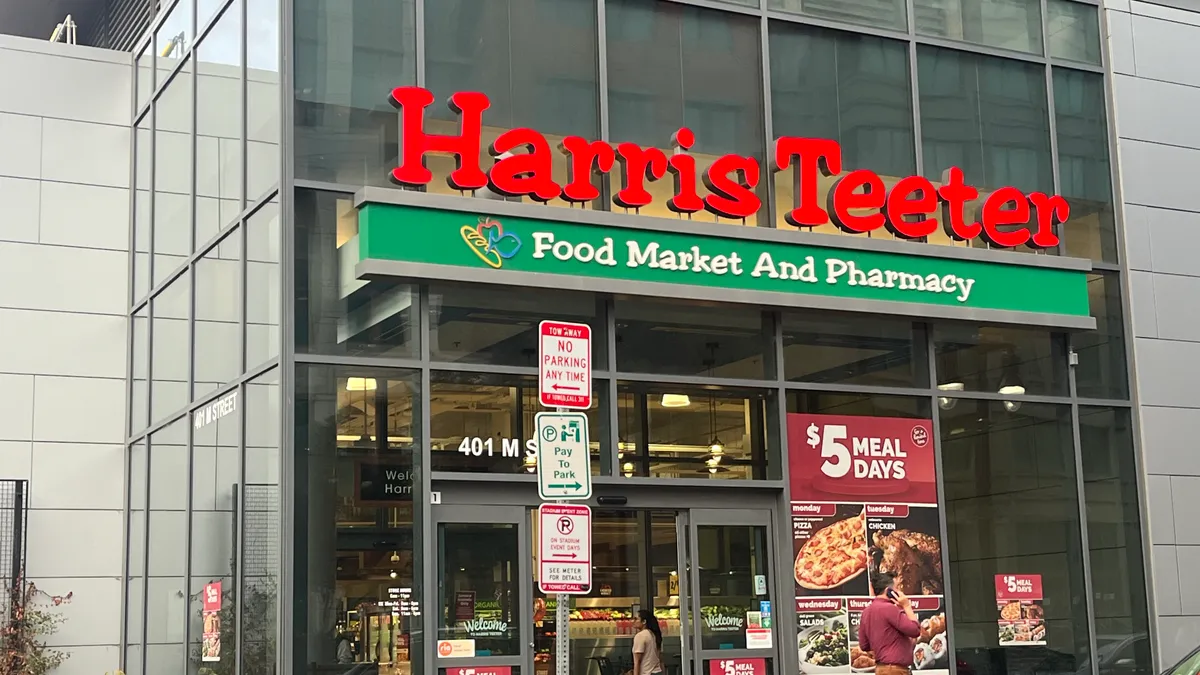
But for Kroger, Florida remains a Rubik’s Cube wrapped up in a padlocked steel chain. After decades of having a tiny presence in the state, the nation’s largest supermarket chain tried and failed to launch an e-commerce offensive via its Ocado-powered network of automated warehouses. More recently, the company’s Harris Teeter banner began outlining plans to expand into Florida, starting with the Jacksonville area. But according to reporting by the Tampa Bay Business Journal, the grocer recently nixed a plan to open up to 80 Harris Teeter locations in the state. The banner does intend to proceed with the Jacksonville location, the Jacksonville Daily Record reported.
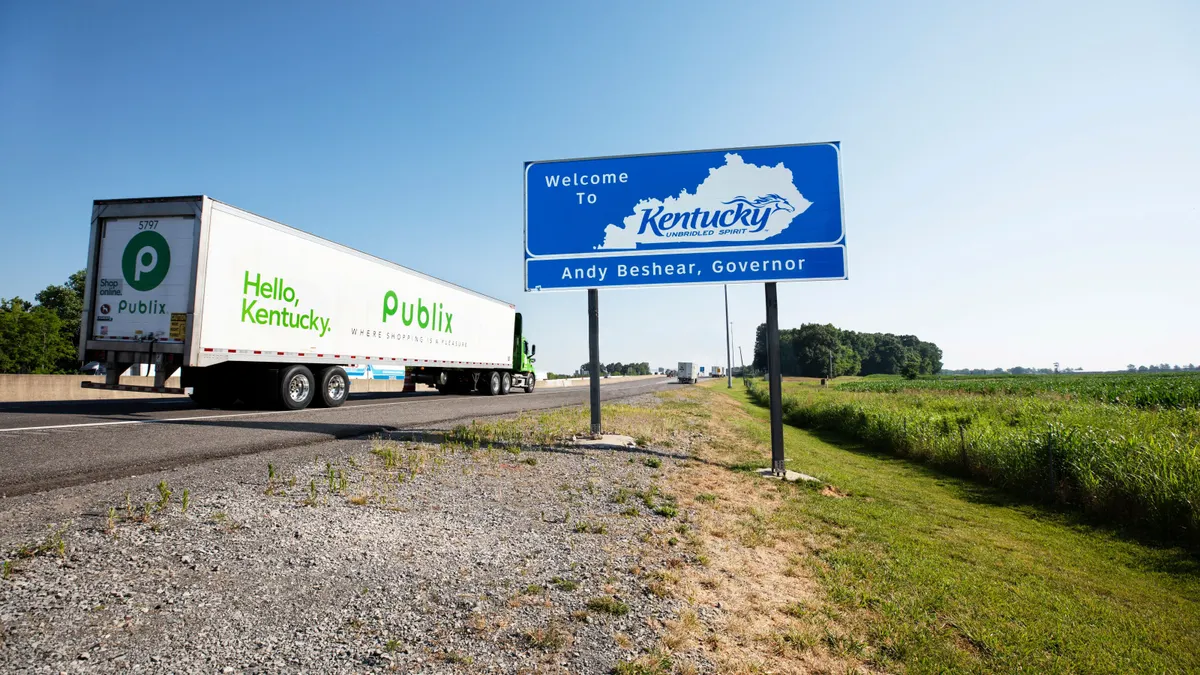
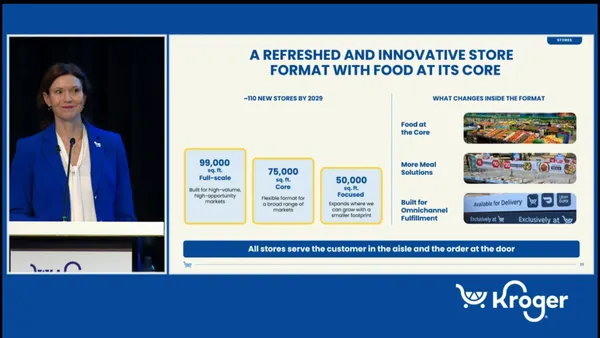
As Kroger turns away from Florida, Publix has pushed north, deep into Kroger country. As new CEO Greg Foran cleans up Kroger’s operations, the company doesn’t need to launch another protracted turf war.
But Kroger’s desire to eventually build a presence in Florida one way or another likely won’t go away. To take on the big guns of Walmart, Amazon and Costco, it needs to build scale and enter new territory. Picking up Giant Eagle is a relatively cheap and fairly easy way for Kroger to make progress on this front, but moving into battlegrounds like Florida and the Northeast will likely be much harder and more expensive for the company.
In case you missed it
Common Cents Act passes House
The act, which would allow retailers, including grocers, that accept cash to round change for cash transactions to the nearest nickel, passed the House of Representatives on Tuesday and now awaits consideration in the Senate.
If it becomes law, the act would take effect one year after the date of enactment.
The Fresh Market sets sights on growth
In a podcast with the North Carolina Business Minds that aired earlier this month, The Fresh Market CEO Brian Johnson discussed the specialty grocer’s goal of opening its 200th store in the next five years. The specialty grocer currently operates about 170 stores.
“We think that we can grow at a clip of about 10%. We think if you grow any faster than that, it’s really difficult to grow in a healthy manner. So we want to make sure that we can grow in a very strong manner; so we’re talking 15 to 20 stores a year, beginning in say ‘28, ‘29, ‘30,” Johnson said on the podcast.
Grocery Outlet rolls out “Face Matching software” in California
Local news outlets in California reported this week that Grocery Outlet locations in the state have started using facial recognition technology as a safety precaution. Mission Local, a San Francisco-based media outlet, noted that the Grocery Outlet in Mission District, California, posted a sign at its entrance that stated: “Face Matching software being used for security and safety.”
The system the discounter is using is called SAFR Guard, according to the sign at the Mission District Grocery Outlet’s entrance. SAFR Guard captures facial images that are processed locally using in-camera software to create encrypted facial recognition templates. These templates are then compared to an “in-camera watchlist” that has information about “individuals reasonably suspected of theft or engaging in other unlawful conduct,” according to Safr Guard’s privacy policy, which Grocery Outlet shoppers access via the QR code on in-store signage.
Impulse find
Meijer finds a wholesome use for the penny
Despite the U.S. Department of the Treasury phasing out production of the penny, Meijer reassures customers that the cost to ride the grocer’s popular Sandy the Pony ride will remain one cent.
Meijer said in a Monday press release that it plans to keep the cost of a Sandy ride a penny for “as long as possible.” Most Meijer stores even place a cup of pennies next to Sandy to ensure everyone has the opportunity to ride.
“Sandy isn’t just a ride to us. Sandy is part of our history. Over the years, Sandy has become a familiar friend to countless families, often marking a child’s first ‘ride’ during a trip to the store,” the grocer said.
Sandy the Pony’s history at Meijer stretches back to the grocery company’s founder, Fred Meijer. When the retailer opened its first Thrifty Acres store in 1962, pony rides were set to cost 10 cents — but Fred Meijer reduced the price to just a penny “because he wanted the experience to be affordable for every family,” the announcement noted.