Victor Kimble is chief marketing officer at creative agency Preston Spire.
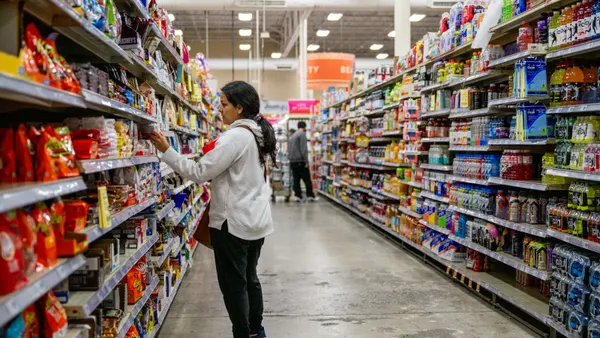
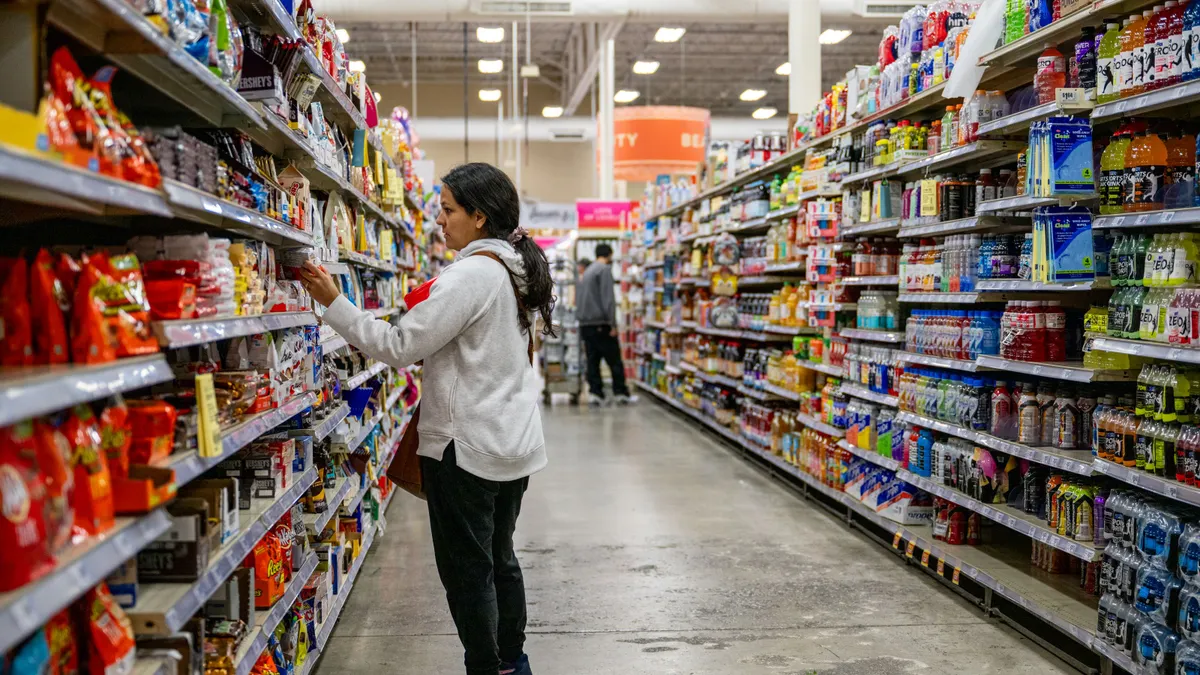
Years ago, store loyalty was pretty much a given in grocery retail, with people typically shopping at the stores closest to where they lived. How times have changed! Today, only 1% of grocery shoppers remain loyal to a single store, with the average American now shopping at least two different grocery stores per week. This trend isn’t a temporary retail disruption — it’s the new baseline.
Welcome to the age of the “promiscuous shopper,” where customers are no longer monogamous or even bigamous, but polygamous. If grocery prices continue to rise in 2026, we’re likely to see a continuation of the multi-store shopping trend, especially given the increased price pressures consumers are facing for other essentials like gas.

Years ago, grocery retailers often poured marketing resources into initiatives designed to establish exclusive relationships with customers. But so-called “treasure hunt” shopping where shoppers scrupulously plot, plan, and budget before venturing out has effectively replaced traditional grocery shopping behavior. In fact, more than 90% of grocery shoppers are deemed to be “uncommitted” — meaning they prioritize their own needs (namely price) over brand loyalty, according to Upside research published last year.
In this context, grocery retailers need to adjust their marketing game plans. Instead of devoting resources to initiatives designed to recapture monogamous loyalty and share of basket, they need to optimize for a more fractured “category” approach to shopping.
Give up on trying to be a one-stop shop
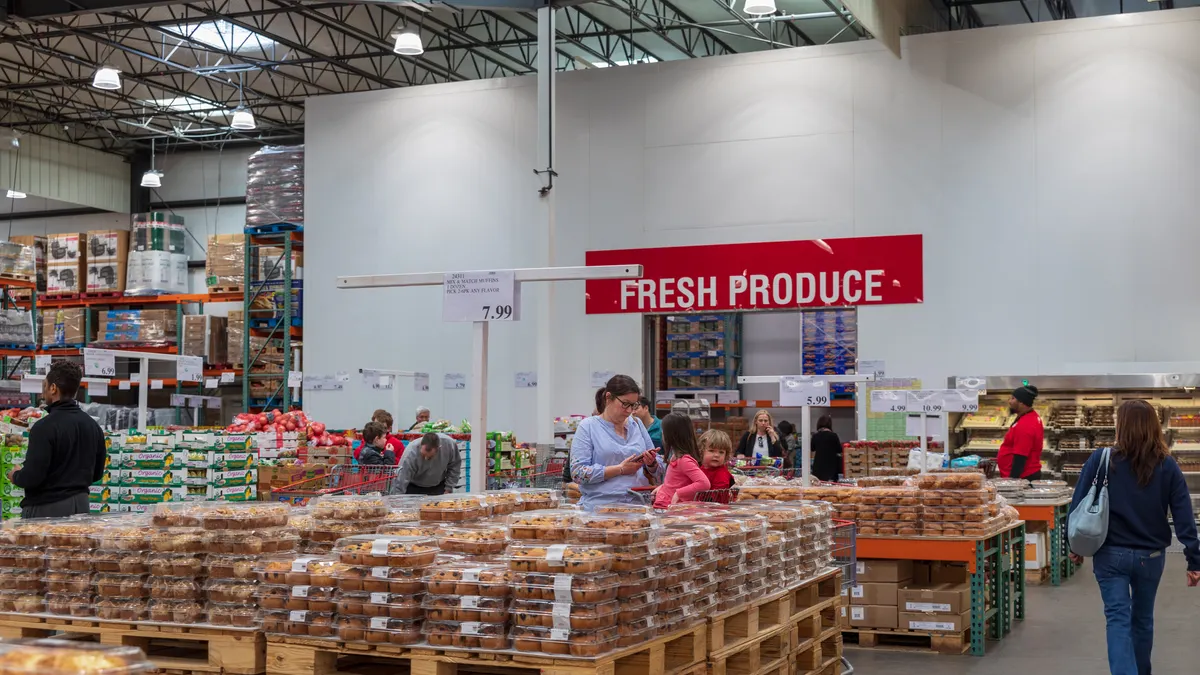
When you observe an average American household’s shopping week, you’ll see something interesting — it’s more choreography than chaos. On Monday, the Subscribe & Save order arrives with dog food, paper towels, laundry detergent and trash bags — items purchased not through active choice but algorithmic certainty. Wednesday night may include a quick stop at Trader Joe’s for a small luxury that feels like a well-earned mid-week treat, turning shopping into self-care. Saturday morning may be the ritualistic “family load-up” trip to Costco.
Think of the promiscuous shopper as a sophisticated portfolio manager allocating their time, money and attention across a grocery landscape that’s more diverse and accessible than ever before, including not just traditional stores but automated delivery services and curbside pickup as well. Your job is to be an irreplaceable member of the weekly rotation.
Optimize for category dominance
The “category” shopping approach requires grocery retailers to fundamentally shift their mindset to category dominance, whether that’s convenience, bulk-buying, produce, natural and organic products, meat, seafood, personal hygiene or something else. Start proving your irreplaceable value in your focus categories. Use real customer stories and real product sources, and demonstrate real community impact. Your entire value proposition must serve as an exclamation point to your category leadership and be supported by its key proof points, including sourcing stories, producer partnerships and community impact.
Prioritize your growth areas
Stop treating all categories equally. Your “must-win” categories deserve disproportionate investment in quality, staffing and experience versus your merely adequate or weaker categories. How these products are displayed matters. Your staff’s ability to answer questions matters. It may be an uncomfortable thought at first, but everything else in your store should become and be treated as the supporting cast.
Optimizing for dominance in a category is particularly important if your designated specialty is high-margin. Would you rather have 60% of a customer’s total grocery spend across all categories or 95% of their produce spend? In a promiscuous shopping world, the latter is more advantageous financially.
Be destination-worthy
In a diversified retail portfolio approach, earning and keeping one’s place in the shopping rotation depends not just on category leadership, but on making one’s brand destination-worthy. The physical store is no longer the default distribution channel; it’s an experience filter. This creates a critical strategic question: For which products and categories does our in-person experience have irreplaceable value?
The answer is different for every retailer. Trader Joe’s has made seasonal treasure-hunting part of itsin-store value proposition — the limited SKU count and constantly rotating items mean you have to show up to see what’s new. Whole Foods Market staked its claim and retail flow on quality perimeter shopping. Costco has built a business model around the bulk-buying trip as a family ritual. The store is no longer just a place for transactions; it’s a stage for identity expression, intention signaling and values alignment.
If appropriate, focus more on operational excellence. Conversely, if you’re battling for placement in the scheduled delivery rotation, which is less dependent on an in-store experience, your job is to be frictionless, transparent and unfailingly reliable. Your ability to predict what someone needs before they do and deliver it without drama is your magic and where you should remain focused.
Today, the era of shopping at a single store out of habit or brand affinity almost feels prehistoric. But here’s what most grocery retailers miss: price isn't the only driver, it’s just the most visible one right now. The rise of the promiscuous shopper isn’t the death of loyalty. It’s the birth of diversified allegiance where brands and retailers earn a rotational role in shoppers’ lives by being exceptional at something specific, not adequate at everything, and marketing strategies need to adjust.