Dive Brief:
- Online food and beverage sales rose 15.5% during the four weeks that concluded Oct. 4 compared with the same stretch in 2025, according to data shared on Wednesday by Circana.
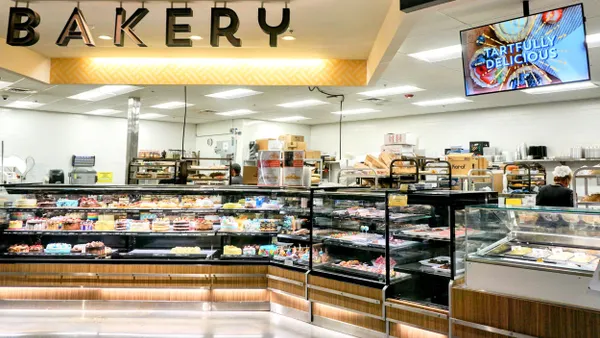
- Food and beverage sales through brick-and-mortar channels declined 2.8% year-over-year during the period, while overall sales for the sector moved down by under 1%.
- The sales trends are in line with the financial results traditional supermarket operators have reported as they weather challenging economic conditions that have depressed consumer spending on groceries.
Dive Insight:
The sales patterns Circana laid out in its latest U.S. CPG Demand Signals report paint a challenging picture for grocery companies at a time when they aim to square their growth efforts with the reality that shoppers have become more careful with their food budgets.
As customers remain diligent in how they shop for food, Circana observed that they are reducing waste, cutting excess without sacrificing quality, and balancing price tiers, pack sizes and private label goods. In a reflection of that, store brand sales moved up slightly during the period covered by the report while sales of national brands sagged by about 1%.
Sales of perishables, including dairy products, produce, meat, baked goods, seafood, deli and other refrigerated items, were down year over year, Circana reported. The research firm flagged produce sales, which ran into headwinds earlier this year amid the cyclospora crisis, as a key contributor to the overall softness in food and beverage sales. On the other hand, sales of nonperishable products such as baking supplies, beverages, shelf-stable meals and snacks were up.
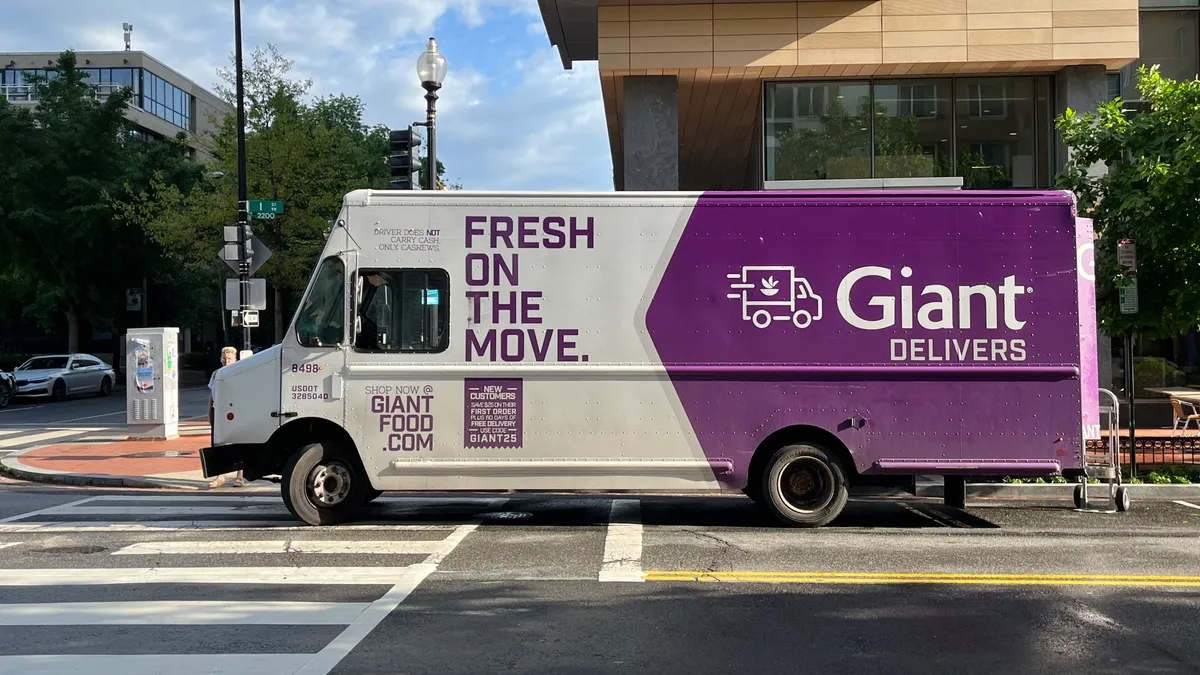
Like Circana, grocery e-commerce consultancy Brick Meets Click has seen digital transactions drive sales growth. Online grocery sales were up more than 20% in the third quarter of 2026, representing a record share of total grocery spending. Delivery sales jumped more than 30% year over year and were responsible for about three-quarters of the increase. Pickup rose in the mid-single digits, Brick Meets Click said.
Multiple food retailers have seen their sales growth wither in recent quarters even as their digital sales continue to rise, underscoring the dilemma conventional grocers face as they look to use their stores to differentiate themselves against strong competition from e-commerce powerhouses like Amazon and Walmart.
Kroger logged flat comparable-store sales growth during its latest quarter while its digital operations moved ahead by 20%. Similarly, Ahold Delhaize’s U.S. operations saw comps rise by less than 1% in the company’s latest period, compared with e-commerce growth of more than 14%. Albertsons, meanwhile, recorded negative same-store sales in its most recent quarter, yet posted a digital sales increase of 11%.