
Holiday and winter shoppers want food that brings people together.
Food that is indulgent.
Ingredients that offer health benefits.
Florida grapefruit delivers all three, and recent research shows that the majority of consumers want their grapefruit specifically from Florida.
Typically in season from November through March, the citrus brings juicy, sweet, tangy flavor to meals and celebrations throughout the colder months. Its timing gives grocery retailers an opportunity to feature a seasonal favorite in ways that will surprise shoppers who only view it as a breakfast staple.
Think grapefruit tucked into a winter salad, paired with cheese for a holiday appetizer or freshly squeezed into a festive drink. Add its nutritional attributes and consumer interest in Florida origin, and retailers have several reasons to give grapefruit the space to tell its story and grab shoppers’ attention this winter.
A place in the winter shopping cart
When produce buyers consider a seasonal item, the question is always whether shoppers will want it and will put it in their carts. With Florida grapefruit, consumer research points to a firm yes.
According to 2026 research from the Florida Agricultural Market Research Center, 60% of active buyers are willing to purchase fresh grapefruit when it comes from Florida, and 45% are willing to pay more for it than grapefruit from another state.
For retailers, those findings suggest that origin deserves a visible role in marketing and presentation. A display can introduce the fruit as Florida grapefruit, then give shoppers a reason to bring it home to their kitchens.
Retailers can tailor those recipe ideas to the occasions shoppers are planning for throughout the season.
Before a holiday gathering, feature an appetizer or drink idea. For an everyday shopping trip, show how grapefruit fits into a simple lunch or side dish. The same fruit can meet different needs as shoppers move through the winter calendar.
That gives merchandising teams room to build a program around occasions, rather than relying on a single seasonal promotion.
Flavor and nutrition give shoppers reasons to choose grapefruit
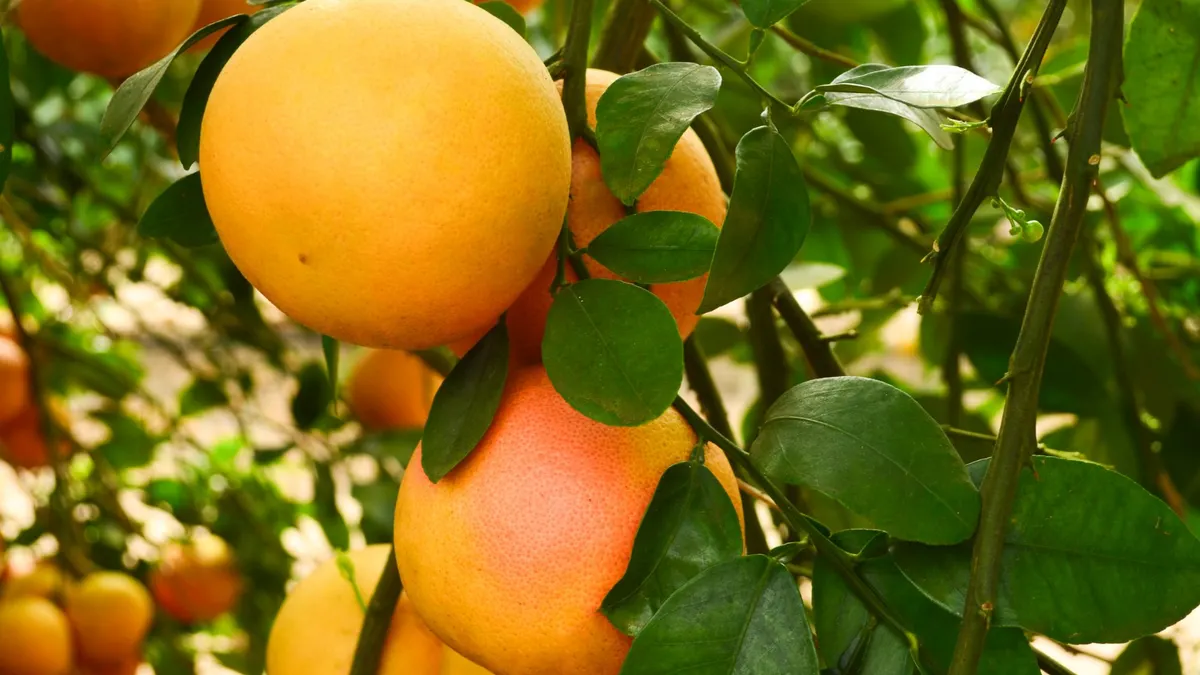
Florida grapefruit’s combination of juiciness, sweetness and tanginess gives it a distinct role in a meal. It adds brightness alongside rich ingredients or brings a refreshing contrast to a winter dish. Those sensory qualities give retailers specific appeal to communicate beyond a general promise of freshness.
And Florida grapefruit brings nutritional benefits that will send it to the top of shopping lists.
Half a medium grapefruit provides approximately 50% of the daily value for vitamin C, which supports immune function. It also features about 1.4 grams of fiber for half-fruit serving, along with potassium, thiamin and vitamin B6. Fresh grapefruit contains no added sugars.
These nutritional benefits are straightforward, relatable attributes retailers can explain without overwhelming shoppers with complex details. A vitamin C message can accompany an appealing serving suggestion and showcase how a whole Grapefruit fits nutritionally into a balanced meal.
For shoppers seeking whole or minimally processed foods, fresh grapefruit is a simple ingredient they can instantly recognize and easily prepare in different ways.
Beyond the breakfast table
Florida grapefruit is not just for the breakfast table.
A light, refreshing winter citrus salad combines Florida grapefruit and orange with arugula, fennel, pomegranate, goat cheese and pine nuts. The recipe takes about 15 minutes, and the juice becomes part of the dressing.
For a grocer, that simple recipe offers the basis for a meal recommendation connecting produce with cheese and pantry ingredients on other aisles. A shopper who came in for salad greens wil leave with an idea for a different kind of winter lunch.
Holiday entertaining opens other possibilities, including baked feta with grapefruit gremolata, a citrus salad with burrata, and gingerbread finished with grapefruit pieces. These examples place grapefruit alongside ingredients shoppers may already be buying for their holiday guests.
And don’t overlook drinks. Freshly squeezed grapefruit adds a welcome splash of citrus to cocktail and mocktail recipes, giving the whole fruit a role in entertaining as well as cooking.
Retailers can choose a few approachable ideas and make them easy to find through recipe cards, digital shopping content or displays with complementary ingredients. Each suggestion should answer a practical question: What can I make with this?
One clear and interesting answer may be enough to inspire a shopper to try something new.
Not just any grapefruit — Florida grapefruit
A Florida grapefruit, beyond its visual appeal and flavorful profile, carries with it a marketing story that is known to resonate with consumers.
Grapefruit’s history in Florida dates to 1823, and Sunshine State growers have carried on the citrus tradition for more than 200 years.
The state’s subtropical climate, rainfall and sunshine contribute to the grapefruit’s juiciness and memorable flavor. The connection between growing conditions and the eating experience gives retailers a way to explain why Florida origin matters beyond the label.
Florida Grapefruit has a thinner rind compared to other regions due to the state’s subtropical climate. Because the rind is thinner, Florida Grapefruit has a higher juice content and is known for being juicier than other grapefruits, perfect for beverages and fresh salads.
For retailers planning their winter assortments, Florida grapefruit brings together seasonal timing, nutritional value and possibilities that extend beyond the breakfast table. Clear origin messaging and useful serving ideas can help shoppers make those connections.
Visit the Florida Department of Citrus website for more information on Florida grapefruit, including recipes, nutrition information and additional retail resources.