As grocers adjust their pricing practices to remain competitive, many consumers and politicians are raising concerns that dynamic pricing — or surveillance pricing, as critics refer to it — could put further strain on consumers’ wallets.
Last year saw more than 100 price transparency state bills introduced across 33 states and Washington, D.C., according to MultiState, a state and local government relations company. And the momentum behind efforts to bar grocers from using dynamic pricing has not slowed down in the new year.
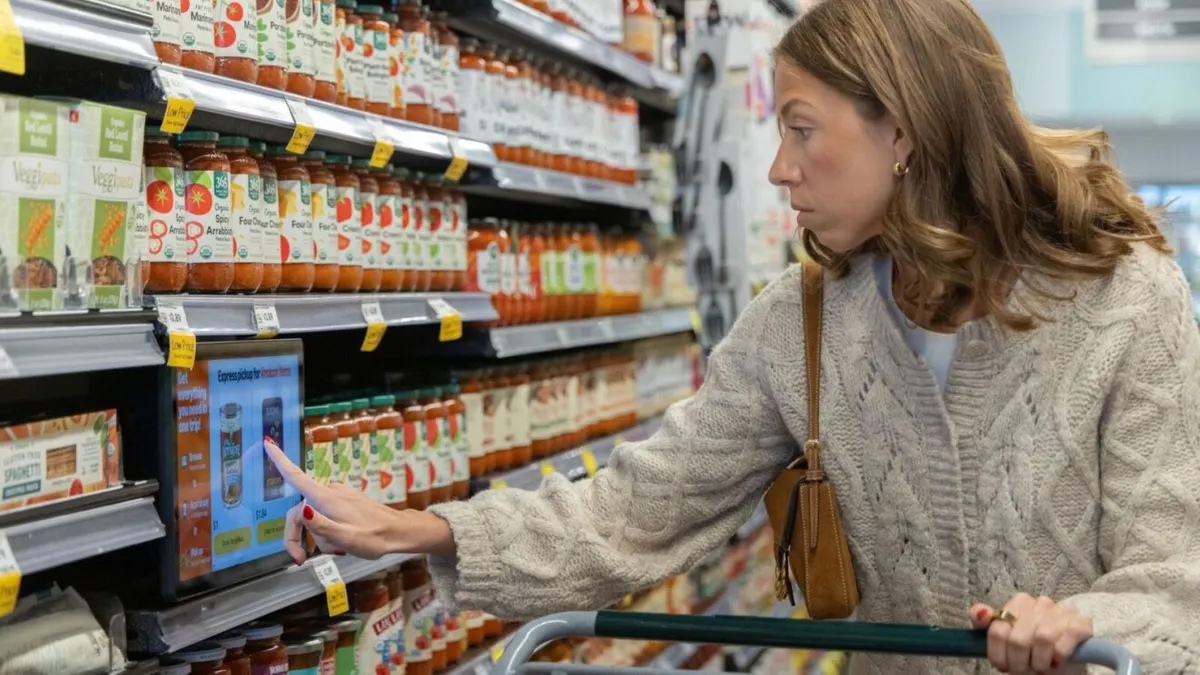
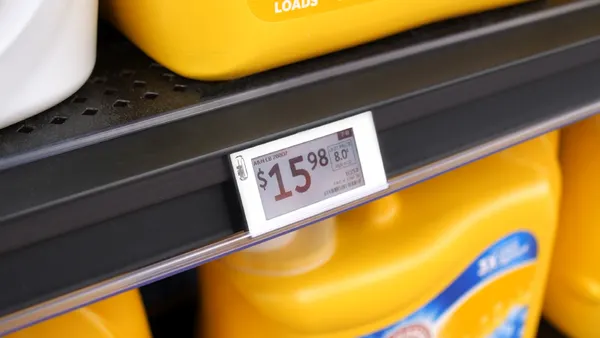
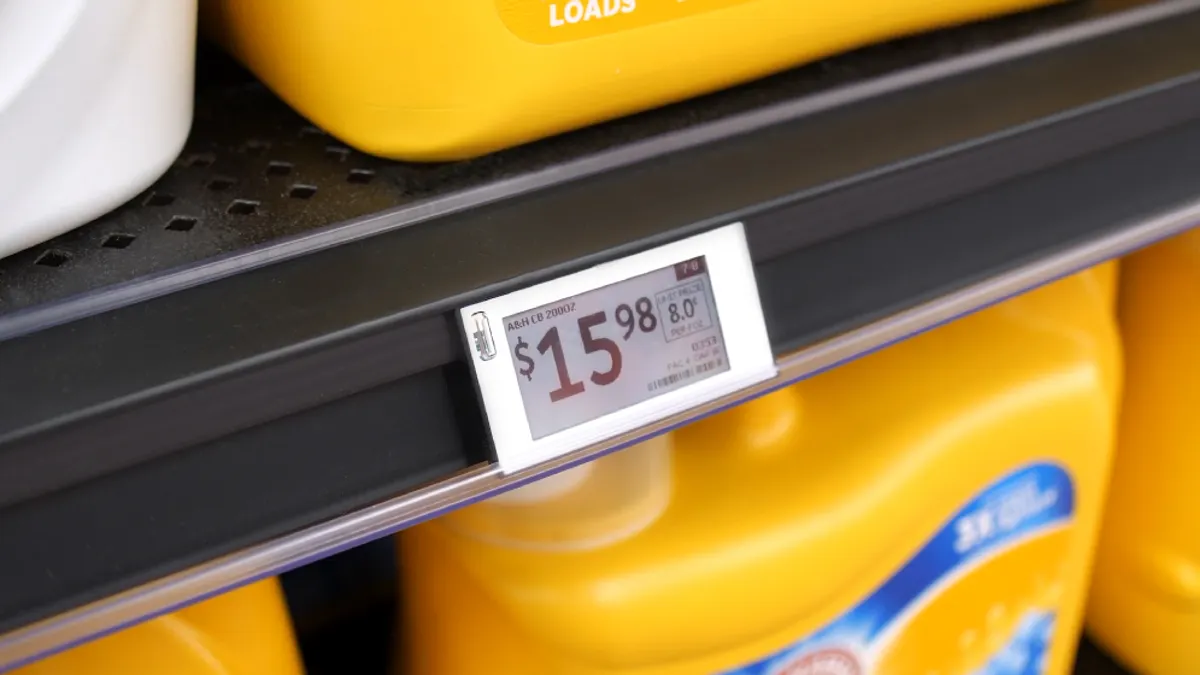
This push from states to establish price transparency legislation comes as more retailers equip their stores with electronic shelf labels that allow them to update prices quickly. Walmart, for example, announced earlier this month that it aims to bring ESLs to all of its locations within the next year.
In February, the United Food and Commercial Workers International Union launched a national campaign to ban the “predatory practice of ‘surveillance pricing,’ target the encroachment of AI-driven technology in grocery stores, and deliver fair prices for families while preserving good, union grocery jobs.”
Already, New York, Oklahoma, Washington state, Arizona, Nebraska, Maryland and Tennessee have introduced UFCW’s surveillance pricing and ESL legislation, per the UFCW.
The UFCW’s campaign launched the same day Democratic Sens. Ben Ray Luján of New Mexico and Jeff Merkley of Oregon introduced the Stop Price Gouging in Grocery Stores Act of 2026 in the U.S. Senate, coming a few months after the introduction of companion legislation in the House. The UFCW said it endorses the proposed bills.
Along with prohibiting dynamic pricing at grocery stores, the legislation would require grocers to disclose their use of facial recognition technology, ban ESLs in large grocery stores and call for establishment of an “enforcement mechanism to hold corporations accountable,” according to a press release from Luján.
“With rising costs driven by President Trump’s trade war and Republican cuts to SNAP, Congress must act to ensure that technologies are being used to improve the lives of Americans, not increase their grocery bills. Our friends, family, and neighbors should be able to shop at their local grocery store without worrying about predatory pricing,” Luján said in a statement.
State-level battles over pricing
Several state legislations are also taking aim at the new pricing practices, with some looking to halt it on a broad scale, while others are zeroing in on food and grocery retailers or even shelf display technology.
Earlier this month, the Tennessee House Banking and Consumer Affairs Subcommittee held a hearing to consider a bill that would ban food retail establishments over 15,000 square feet from using ESLs or any other digital shelf display technology as well as forbid personalized algorithmic pricing.
Meanwhile, Maryland’s recently announced Protection from Predatory Pricing Act takes a slightly different approach.
In January, Gov. Wes Moore unveiled the act as part of his legislative agenda for the 2026 Maryland General Assembly. The legislation, like Tennessee’s, would prohibit food retailers from using consumer “surveillance data” to set individualized prices for goods or services. It would also require grocery stores to keep their prices fixed for at least one business day — a move aimed at retailers’ adoption of ESLs.
The Maryland legislation went through a first Senate reading on Feb. 17 and has been referred to committee.
New York has two recently introduced bills that would prohibit surveillance pricing practices. One bill focuses on banning the use of ESLs and directly tackles food retailers’ surveillance pricing practices. On Monday, New York Attorney General Letitia James linked up with UFCW Local 1500 and other organizations to call for the passage of the two bills.
“New Yorkers are already feeling the effects of sky-high grocery bills. The last thing they need is corporations using AI to set individualized prices and squeeze them even further,” UFCW Local 1500 President Robert Newell said in a statement.
This isn’t the first time grocers have faced political scrutiny over their pricing practices or adoption of pricing technology. During the summer of 2024, Kroger came under fire for its adoption of ESLs, with two U.S. senators calling on the grocer to provide further information and raising concerns that the technology allows stores to “calibrate price increases to extract maximum profits.” Kroger, in response, said that the technology and other pricing practices aim to lower costs over time for customers.
Grocers continue to defend that their use of ESLs and dynamic pricing practices allows them to offer value and a streamlined in-store experience for customers.
Walmart said earlier this month that bringing ESLs chainwide frees up workers to assist in-store shoppers as well as ensures accurate item costs are posted.
“Before [digital shelf labels], that meant walking up and down aisles swapping out paper tags by hand. Now, associates manage planned price changes through a centralized Walmart system, making it easier to keep shelf prices accurate and aligned with what customers see at checkout,” Walmart said in a press release.