Pardon the Disruption is a column that looks at the forces shaping food retail.
For too long, grocery loyalty programs have followed the same tried-and-true format. Retailers offer program-specific deals on their shelves, customers scan their card at checkout, and maybe those shoppers understand the savings they’re getting, or maybe they don’t.
For retailers, the prime goal of their loyalty strategies has been to collect shopper data rather than to offer compelling, differentiated programs.
But over the past year or so, I’ve noticed grocers across the country revamping their loyalty programs to offer more savings and foster a closer connection with shoppers who are desperately seeking some economic relief. Pressure, as it so often does, is breeding innovation.
The updates include wider adoption of features like digital coupons, customized pricing, members-only events, tiered programs and automatic rewards redemption. Retailers have made it easier for shoppers to earn points and shave dollars off purchases, and made their programs easier to understand. Retailers with fuel stations, like Kroger, have boosted savings at the pump and sweetened rewards across groceries and gasoline.
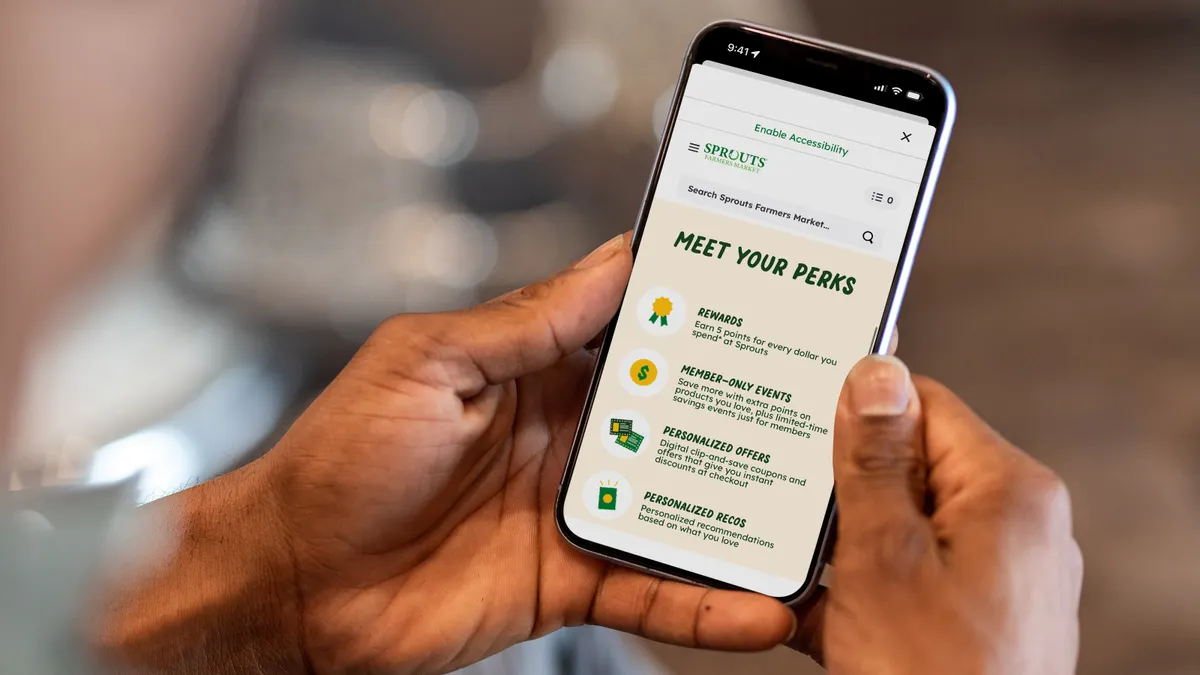
This loyalty revolution stretches across all types of formats, from hard discounters to specialty chains. Lidl recently launched its Lidl Plus loyalty program in the U.S., while Sprouts Farmers Market’s new rewards program offers everything from points accumulation to something called a “foragers’ roundtable.”
The rewards are deep and compelling — and they are absolutely critical in this operating environment. Unit sales are slowing, and grocery shoppers are more than willing these days to defect from their regular shopping destinations to retailers that they feel offer better value. Retailers need to pull every lever they can to improve their positioning, and loyalty is one place where they have a lot of control.
I’m impressed by the changes retailers have made. But I’m also seeing a lot of sameness across these new programs that may ultimately blunt their impact with shoppers. Looking through our recent roundup of loyalty updates, it seemed that just about every retailer is offering digital coupons and “personalized promotions.”
At a time when grocers need to show customers what sets them apart from the competition, loyalty programs offer an avenue for these retailers to hone their identity, have a little fun and not only reward existing customers but nab new ones as well.
Specialty grocers’ loyalty leadership
The loyalty program offered by Natural Grocers, a Colorado-based natural and organic grocer, really stands out to me.
Its {N}power loyalty program, which launched just over a decade ago, has helped the company post sales gains at a time when other grocers are seeing declines. The program, which offers regularly rotating deals, articles and recipes, and an easy-to-understand point scheme (spend a dollar, get a point), has helped Natural Grocers keep people shopping in its aisles while also driving trips and basket size.
{N}power has been so successful, it prompted an analyst to ask Natural Grocers Chairman, Director and Co-President Kemper Isely during an earnings call last month why he thinks the program is so effective. Isely’s answer was as straightforward as the grocer’s points system.
“It’s so effective because we have learned what our customers want in a loyalty program,” he said. “Instead of just giving them a discount on gas like most supermarket programs do, we give them special discounts on certain commodities like eggs and avocados that they value.”
I think Isely is being modest. {N}power is a multifaceted program that fosters a sense of community among its members. Natural Grocers promotes itself as the grocer for health-conscious shoppers, and its loyalty program offers the savings, articles, games and special events that address their specific needs and concerns.
“We give them special offers that are tailored toward their shopping patterns that they very much value, and then we offer games that they like to play,” Isely said during the earnings call
Two other specialty grocers have loyalty programs that underscore what I’m talking about.
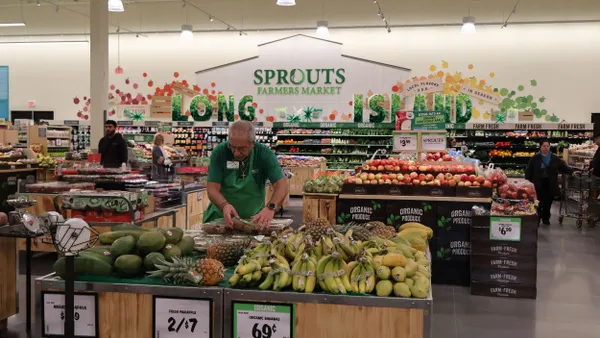
Sprouts Farmers Market’s program, which rolled out chainwide less than a year ago, has a points-based rewards system and personalized pricing that tracks with what other retailers offer. But it also lets members get sneak peeks at new products and vote on new products they’d like the grocer to bring into its stores. These are unique features that support Sprouts’ positioning as a place to discover niche products you can’t find anywhere else.
The Fresh Market, meanwhile, lets members of its recently revamped loyalty program pick an area of the store like coffee, produce or beer and wine where they want to earn extra savings. These “clubs” offer a playful bit of customization that encourages shoppers to try new items and go deep on the categories they value most.
Loyalty programs shouldn’t just be about savings — they should also focus on forging connections and providing perks that are unique and support each retailer’s identity.
Keeping rewards fresh
Of course, grocers that don’t have a unique selling proposition will likely struggle to differentiate themselves through loyalty. You can’t offer rewards that support your identity if you haven’t defined that identity — something many traditional grocers, in particular, are guilty of.
Uniqueness and corporate identities aside, retailers need to make sure they’re updating their loyalty programs to keep pace with consumers. As pricing pressure continues to weigh on people’s wallets, those updates may need to happen more frequently than they have in the past.
Traditional points-based systems, for instance, reward shoppers who buy a lot of stuff from one grocer. But that system may struggle to entice people who aren’t ready to commit, or who are looking to pare back their spending.
What if retailers rewarded shoppers just for visiting their stores and buying something?
That’s the insight behind an interesting trend I’m seeing in the convenience store industry, which has always had to work hard to lure shoppers from the gas pump into stores.
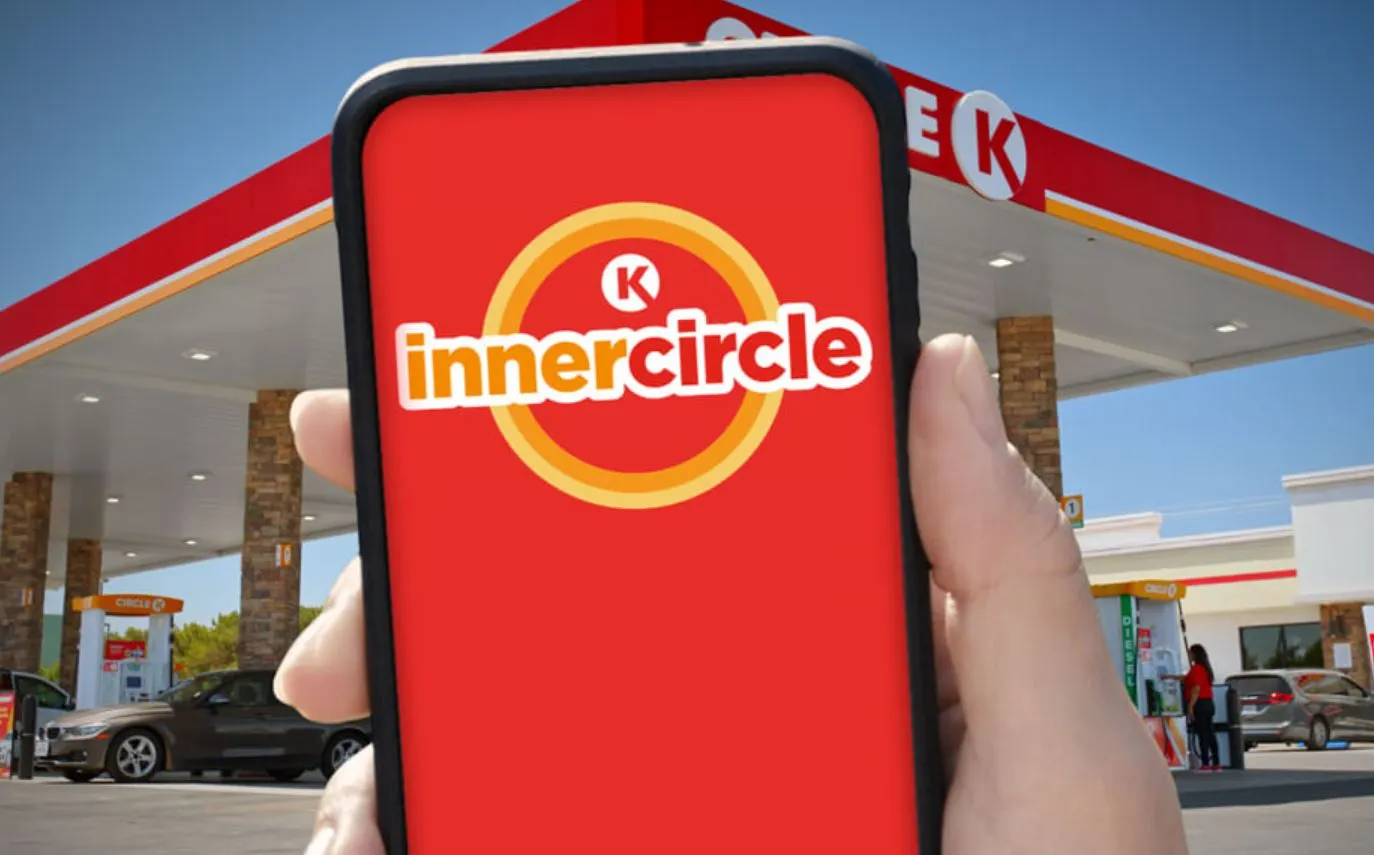
Instead of focusing on racking up dollars off or points, Circle K and Weigel’s have focused their revamped loyalty programs on visits. At Circle K, a purchase of at least five gallons of fuel or spending $3 or more inside stores earns customers a “visit,” which they can accumulate and cash in for free products. Weigel’s, which operates a similar model, lets shoppers ascend through four tiers depending on their monthly visit count, with the rewards increasing with each tier.
Here’s where I state the obvious: Grocery stores are not c-stores. Convenience operators rely on small, frequent trips in a way grocers don’t, and industry executives have noted those c-store trips are under pressure amid historically low consumer sentiment. A visit-based system speaks to that core need.
The main reason I bring up the Circle K and Weigel’s examples is to highlight how these retailers are adjusting their loyalty approaches to reflect the changing times. As shoppers become more “promiscuous,” to use a term our recent op-ed writer used, grocers may need to adjust their loyalty programs to reflect that reality.
What might a next-generation grocery loyalty program look like? It’s hard to say, exactly. I’d love to see one where I could vote on the maximum number of “low price” signs a grocer can put in their stores — but hey, that’s just me.