After federal and state courts rejected their attempted merger roughly a year ago, Kroger and Albertsons went into 2025 facing the difficult task of showing consumers and the industry how they would compete as standalone companies.
The stakes couldn’t be higher. In the two years the supermarket giants spent making the case for their tie-up in existential terms, the rest of the industry was busy evolving and expanding. Walmart, Amazon and Costco — the companies Kroger and Albertsons said their merger would help fend off — certainly didn’t let any grass grow beneath their feet.
So how did Kroger and Albertsons fare over the past year?
Both companies took some surprising turns, headlined by the exits of their CEOs early in the year. On March 3, Kroger announced Rodney McMullen was resigning from his CEO post following an ethics review into conduct unrelated to the business. That same day, Albertsons announced Vivek Sankaran would step down as CEO in the spring and be replaced by Susan Morris, who at the time was the grocer’s chief operations officer.
While the two CEO announcements were materially different, they came during a period in which both companies were engaged in steep cost-cutting efforts that they’d avoided during their merger appeal. Albertsons said in January it would cut $1.5 billion over the next three years. In June, Kroger outlined its strategy to close dozens of stores.
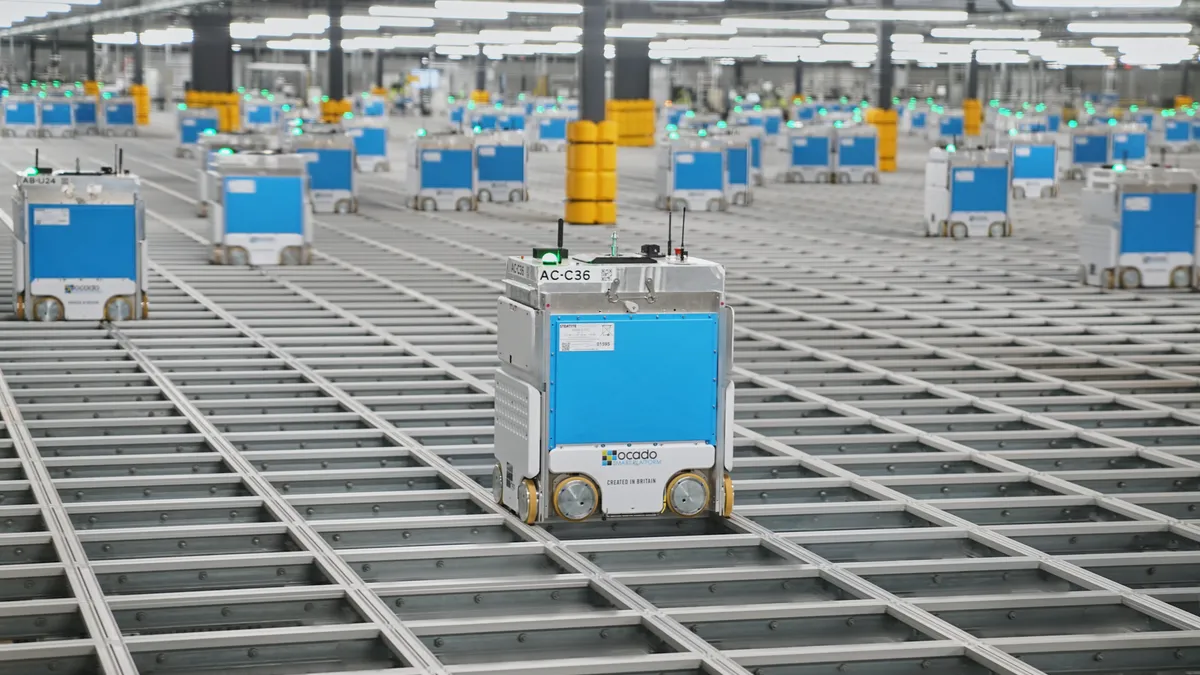
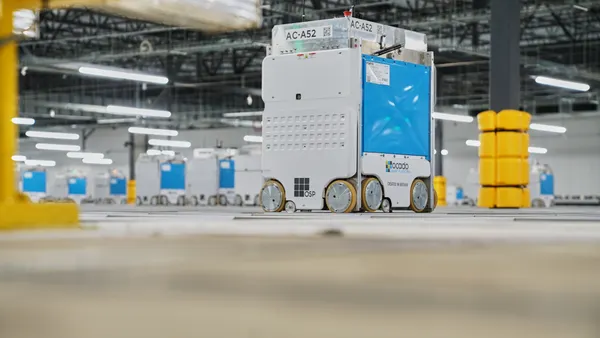
The next shockwave to ripple through the industry came last month, when Kroger announced plans to pare back the automated e-commerce fulfillment network it had been building in partnership with tech firm Ocado. That ambitious plan, which McMullen had championed, had begun to sour as e-commerce growth moderated following the COVID-19 pandemic and many other grocers turned to less -costly store-based fulfillment.
After shooting for the moon with their mega merger, 2025 was a year focused on the sort of efficiency and execution grocers are known to excel at. Still, both companies showed they haven’t forgotten how to innovate, with Albertsons rolling out AI tools and Kroger unveiling a “deli of the future” concept.
The companies’ sales results, meanwhile, have remained solid, though they still showed signs of the competitive pressures that they had hoped to face down with their combination.
As the industry looks ahead to 2026, here are the top developments from Kroger and Albertsons’ very complicated past year