David Hinojosa, who stepped into the CEO role for Heritage Grocers Group in March, is no stranger to the international grocery space.
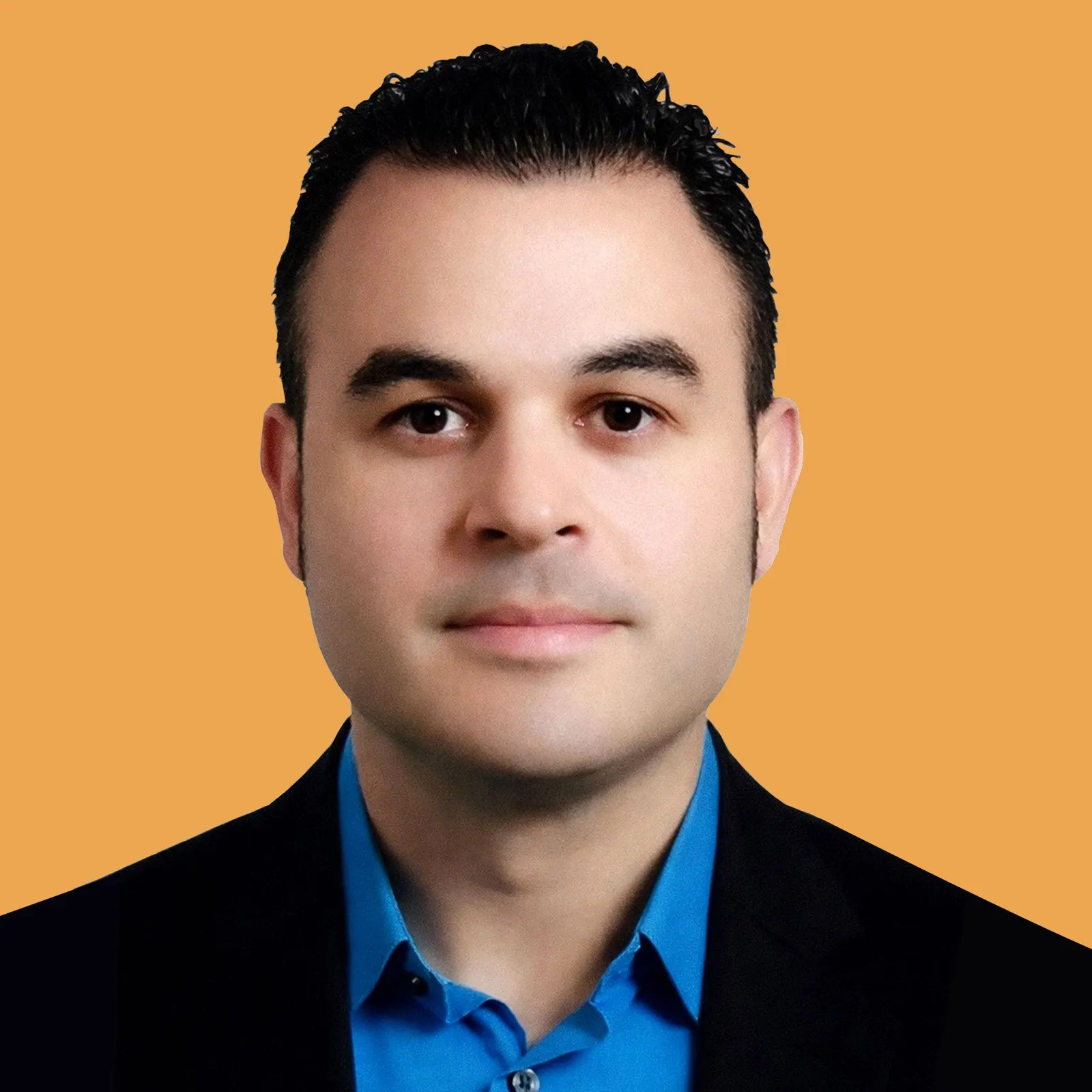
He hails from Vallarta Supermarkets, where he served most recently as the Hispanic grocery company’s chief operating officer. He brings experience working for retailers on three different continents, from leadership roles at H-E-B in the U.S. to senior-level roles at an Australian-based distributor as well as a Thai grocery retailer.
Now, he is taking a hands-on approach to steer Heritage out of a tumultuous stretch. During the first seven months of 2025 alone, the company named a new chief financial officer and created the role of chief transformation officer before abruptly parting ways with CEO Suzy Monford, who worked for the company for less than a year.
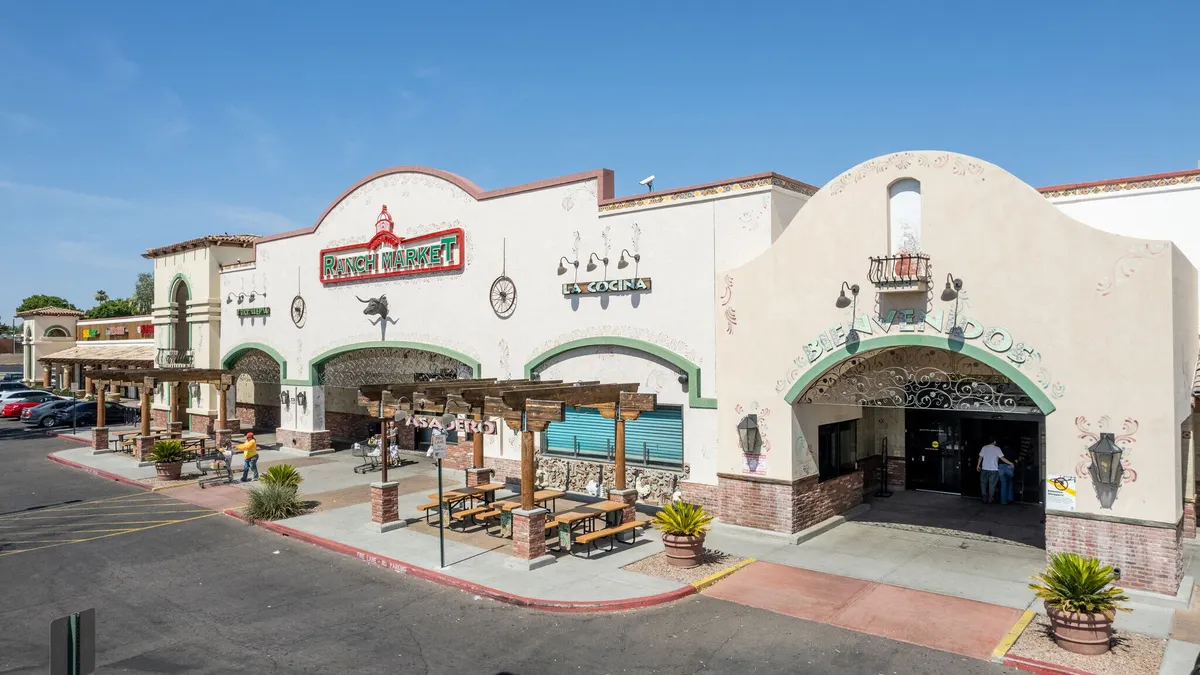
Despite Heritage’s rapid succession of changes and going almost a year without a permanent CEO, Hinojosa sees immense potential and strength in its four banners — Cardenas Markets, Los Altos Ranch Market, El Rancho Supermercado and Tony’s Fresh Market — as well as its workers.
“I’m a people-first leader, right? Everything for me is about people, and I am truly impressed with the amount of talent we have in the company,” he said in an interview last week, noting that he has visited nearly 80 of the company’s stores. “I can tell you wholeheartedly what these stores are good at, what they’re not good at, what we’re missing, so on and so forth. And I have been thoroughly impressed with the loyalty in our stores, from our actual team members and our customers that shop there.”
Hinojosa delved further into what has defined his start as CEO of Heritage as well as what his priorities are for the near and long term.
This interview has been edited for length and clarity.
GROCERY DIVE: What has defined your first four months as Heritage’s CEO?
DAVID HINOJOSA: The last three to four months, I’ve assessed the company as quickly as I can, and I’m talking [about] assessing from operations, supply chain, and obviously our people, our talent, all the way down to our culture and everything in between.
It’s our job and our role right now to get this company back to basics, and then we can grow from there. I don’t think there were things that were missing, I just think there were a lot of priorities going on, and what we did was limit the priorities so we can focus heavily on customer service, operational excellence, customer traffic, our people, our culture — all the basic stuff.
And I’ve had probably 10 town halls since I started … and we have these town halls once a quarter now — it’s really given me a lot of feedback.
How long do you expect Heritage’s back-to-basics phase to be? What will take priority to ready Heritage for growth?
It’ll take us a good six to 12 months to get these [fundamentals] where we want them to be, and then that’ll really drive the company [to] where we need it to be in the future.
We want to be the biggest Hispanic retailer in the country, and not only the biggest, but we want to be the best. There’s a lot of work around that, obviously. Our banners are really good, and they would work in a lot of areas of the country, so we want to make sure that we fundamentally are prepared to do that.
The retail world is changing drastically all the time. And that’s why, fundamentally, we need to be prepared, not only with the [basics] I spoke about, but with technology, with having the right platforms, so on and so forth. I’m a lot more optimistic about the company than when I walked in, because there’s a lot of talent in this company.
What have you learned about Heritage’s shoppers?
I’ll tell you two big [things] that we’re pushing pretty hard right now.
[One of] the two big areas is omnichannel. Our customer, in any banner we talk about, they want more omnichannel from us. They want us to be able to either deliver [or offer] pickup curbside. And so we are revamping everything from our apps to the way we process orders in our store. That goes back to the fundamentals. If we can’t deliver it, or if we can’t actually have the omnichannel they’re looking for, no matter the generation, then we put ourselves in a tough spot.
Second is private label — a huge demand from our customer that we are not currently supplying correctly. So this has been a huge discussion with our vendor community and our partners. But it is an ongoing discussion and a huge push for us as well. And this is also another fundamental that we need to improve on. When you have retailers like Aldi and Lidl and big retailers like Kroger and H-E-B that are pushing private label quite a bit, we need to play more in that ball game.
How do you want to structure Heritage’s private brand identity?
First and foremost, we’re trying to make sure that our banners have their own identity, which is really important because, although we are a huge company across six states, localization to us is primary. The way our customer shops in El Rancho in Texas is not the way they shop in California at Cardenas. They buy different tortillas — everything is different.
There are probably a few items that we could sell across all banners, and then we’re working on actual private label items per banner as well. It would be a hybrid because it would help us sell a lot more product and have a lot more volume, but at the same time, we want to make sure that it really resonates with the customer in those local areas.
When do you aim to introduce private label products to Heritage’s banners?
I hope it’s yesterday! This is going to be like a two- or three-year project. It’s not an easy lift, and there’ll be items that will be coming out periodically, but they’ll start to come out in the next couple of months.
How are you approaching authenticity and meeting the needs of a wide breadth of Hispanic shoppers?
I think wholeheartedly we want to make sure that this goes back to our banner identity. We don’t want to be managing everything from one central location in Ontario, California. We want to make sure that we have localization, that we can be [the] most authentic as much as possible. I know I continue going back to this, but it’s a true example: The Sonoran-style tortilla in California is not the tortilla we sell in Texas, and that’s the authenticity that we’re looking for.
We’re still working on [what and who each banner specifically caters to]. I can tell you that the first and second generation [Hispanic consumers] are using their phone and apps a lot more. The other thing I would tell you is that when you go higher into the generation set, they want a lot more omnichannel. They want to be able to order it from Amazon, from Instacart, from DoorDash, from us specifically. We need to make sure that we have a multichannel, omnichannel [offering] that can help us do that.
It used to be an old adage where the first and second generations would shop the most in the store, and I feel like the last couple of years, the third and fourth and fifth generations started to actually shop in the store more often. I think they like the theatre and what is happening in the store, and I think it takes them back to their traditional roots that they’re looking for.