The grocery industry is ever-changing, and many concepts and formats that once seemed so promising eventually end up six feet under in the grocery graveyard.
This year’s cemetery is particularly haunted by store formats that didn’t measure up and were abandoned by grocers.
In the spirit of Halloween, here’s a list of store concepts and partnerships that are now nothing more than ghosts.
RIP to Hy-Vee’s discount format
The Midwest grocer is ditching its dollar format by rebranding all of its Dollar Fresh Market stores into its namesake banner, CEO Jeremy Gosch said in September during a Groceryshop keynote address.
It’s been a slow death for the discount format. At the start of this year, Hy-Vee announced it was rebranding four of its 22 Dollar Fresh stores — a change that indicated the unique format was having trouble scaring up sales. Hy-Vee brought Dollar Fresh to life in 2018 in an attempt to take on dollar retailers.
The Grim Reaper came for Amazon’s physical store concept
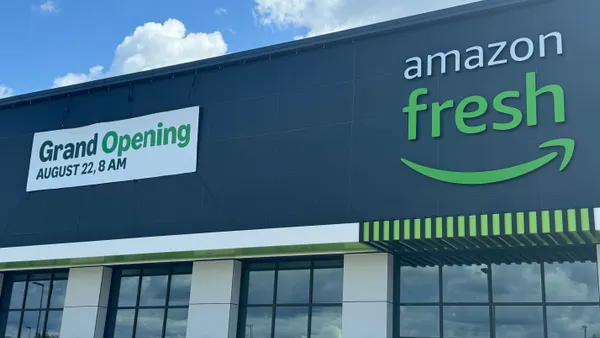
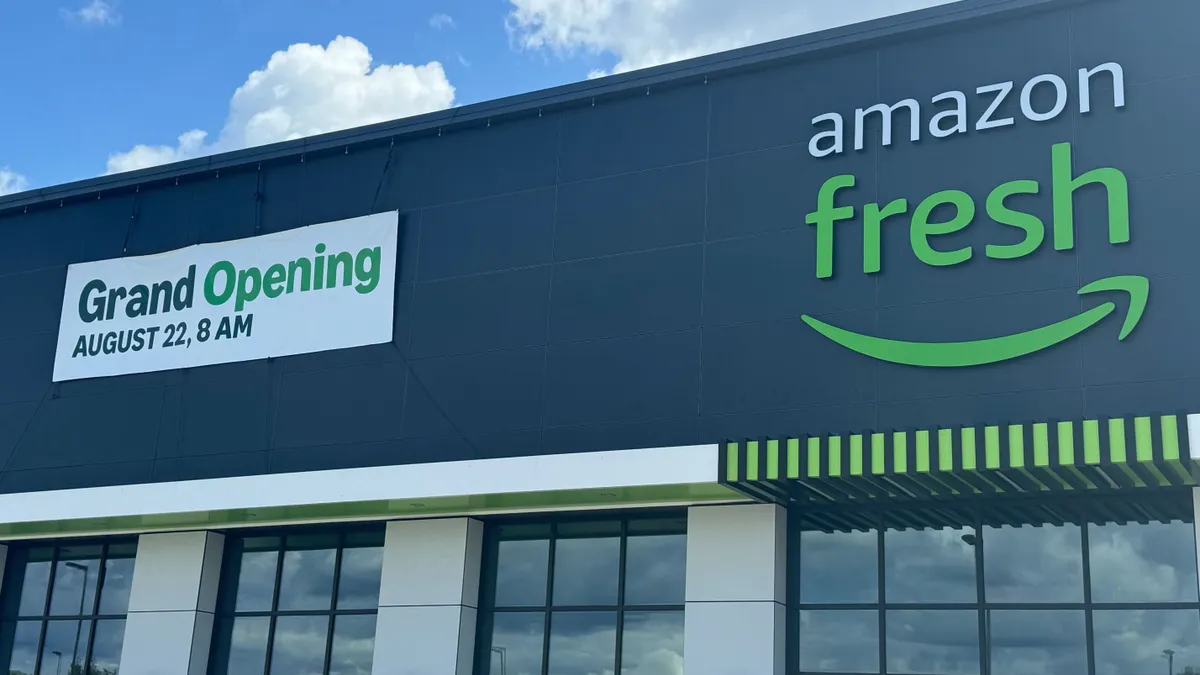
Amazon kicked off this year by announcing it would close all of its physical Amazon Fresh and Amazon Go stores after years of trying to inject new life into the chains.
Amazon’s decision came about five years after the company entered the conventional supermarket space with the opening of the first Amazon Fresh store. The company said in its closing announcement that it would convert an unspecified number of locations into Whole Foods Market stores.
Schnucks buries another small-format store
Schnuck Markets closed its 18,000-square-foot Schnucks Fresh location in Jasper, Indiana, back in May. The grocer’s CEO, Todd Schnuck, said the location “simply has not generated the business it needs to stay open.”
Schnucks still runs a Fresh store in Oak Grove Village, Missouri, that opened in 2023. A company spokesperson said in May that it doesn’t plan to open any other locations under that banner.
This decision to shutter the Jasper location came about two years after Schnucks announced it would close down its natural and organic banner Eatwell Market.
Fareway’s experimental meat store never made it out of the lab
The Fareway Meat Market in Luverne, Minnesota, spanned just 2,300 square feet and housed a full-service butcher counter. The store was an experiment to see if Fareway’s meat market concept could shrink down to the size of a convenience store — but unfortunately, that small size hindered its success, the company said.
The experimental location, which opened in 2022, closed its doors in mid-January
Will Amazon’s grocery partners haunt the company?
Earlier this month, Amazon confirmed to Grocery Dive that it is closing an unspecified number of grocery partner storefronts on Amazon.com. The move effectively ended a program through which Amazon helped power e-commerce for other grocers.
The company said transitioning away from individual storefronts would simplify the e-commerce shopping experience, adding that it will guide shoppers to the best available grocery options offered on its marketplace as individual storefronts close.
This move will also allow Amazon to give more attention to its own rapidly growing grocery e-commerce business.
Instacart’s smart carts won’t be rising from the dead
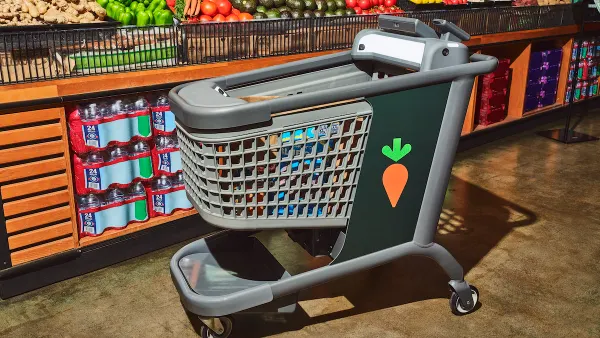
Like Dr. Frankenstein, Instacart put a charge in the smart cart trend when it acquired Caper AI back in 2021. Several years later, though, smart carts have struggled to catch on with retailers, and now Instacart is abandoning the business. Instacart announced Monday it will stop offering its Caper Cart smart carts to grocers as part of the next phase of its in-store strategy.
“While Caper is a great product, the business reality is that retailer adoption has not scaled quickly enough to justify our continued investment,” Instacart said in a press release.