Dive Brief:
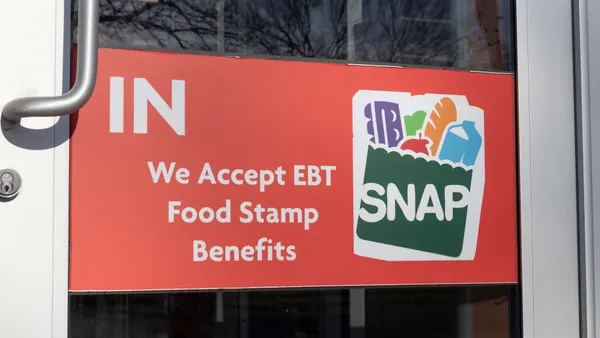
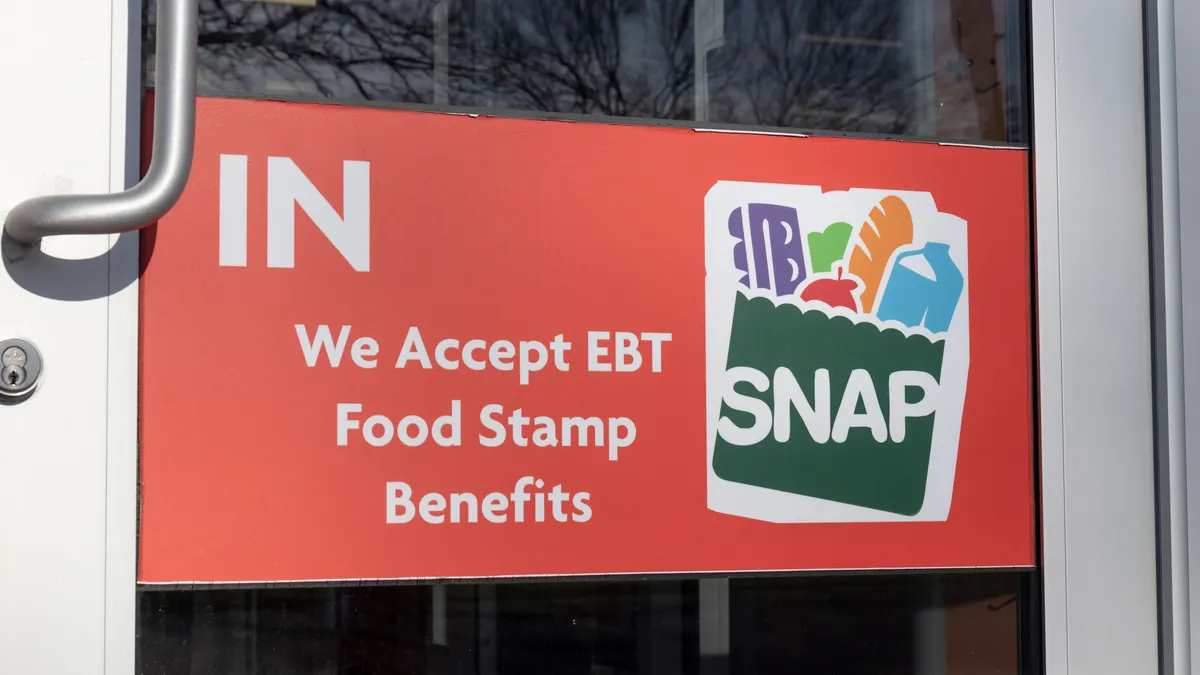
- FMI — The Food Industry Association is urging the USDA to reverse course on the food restriction waivers that the department wants to place on SNAP purchasing.
- In nearly identical public comments on the proposed SNAP pilots in Louisiana and Montana, the trade group said that the USDA does not have the required statutory authority to green light the restrictions, which would ban the purchase of items like soda and candy with SNAP funds. FMI also claimed that the pilots would burden retailers with new rules regarding which items are SNAP eligible.
- “Prohibiting the purchase of soft drinks, energy drinks, and candy with SNAP benefits will not increase program administration or increase the self-sufficiency of SNAP beneficiaries,” Elizabeth K. Tansing, FMI’s vice president of state government relations, and Jessica Tanner, FMI’s senior counsel, wrote Thursday in the comments to the USDA.
Dive Insight:
The comments from FMI come as the USDA attempts to revitalize its efforts to green light state-level SNAP purchasing restrictions as part of the Make America Healthy Again movement.
After approving roughly two dozen states’ requests to restrict the kinds of food SNAP consumers can buy with their funds, the USDA hit a major roadblock when a federal district court judge in June ruled that the USDA exceeded its legal authority in approving the restrictions for five states. Shortly after that decision, the USDA started delaying implementation timelines for previously approved waivers in order to seek public comments on the projects.
In its comments, FMI outlined several reasons why it wants the USDA to drop the food restrictions. FMI said the food restriction project falls outside the limited scope of SNAP pilots allowed under Section 17 of the Food and Nutrition Act of 2008 and said the USDA doesn’t have the authority to change how Congress defines “food.”
The trade group also said the projects create “a patchwork of inconsistent SNAP restrictions” because they allow state-level differences for unapproved items that can burden retailers and confuse shoppers.
“The lack of uniformity in the scope of the waivers and the varying and often unclear definitions of ‘soda’ and ‘candy,’ for example, have created widespread confusion across the retailer community and among SNAP participants,” Tansing and Tanner wrote.
FMI said that retailers have struggled with compliance, noting that 17 states “have not provided retailers with UPC codes for products that are no longer SNAP eligible.” Six states have lists of SNAP-ineligible products under the waivers, but four of those states have not consistently updated their lists, FMI said.
“[C]ompliance costs and the risk of committing violations are also exacerbated for retailers with SNAP-authorized stores in multiple jurisdictions, especially given the wide variance in the definitions among states with approved waivers,” Tansing and Tanner wrote.
These hurdles could lead to fewer SNAP-authorized retailers, expand the size of underserved areas and cause disruptive changes in where SNAP participants shop, according to FMI.
FMI urged the USDA to instead work on its nutrition objectives through authorized approaches, like the Healthy Incentives Pilot Program, which tests whether financial incentives increase fruit and vegetable purchases among SNAP participants.