
An inventory system shows that a product is in stock. But a shopper standing in front of an empty shelf sees something different.
That disparity between what grocery retailers know and what's actually happening in their aisles remains one of the industry's most persistent operational challenges. And as grocers invest more heavily in AI and automation, closing that availability gap is becoming increasingly important.
From shelf availability and promotional execution to replenishment and online order fulfillment, the ability to understand and respond to what's happening at the shelf can have a meaningful impact on store performance and shopper experience.
The next opportunity in grocery intelligence isn't simply collecting more inventory data. It's turning information from the physical store into action.
From digital price tags to intelligent infrastructure
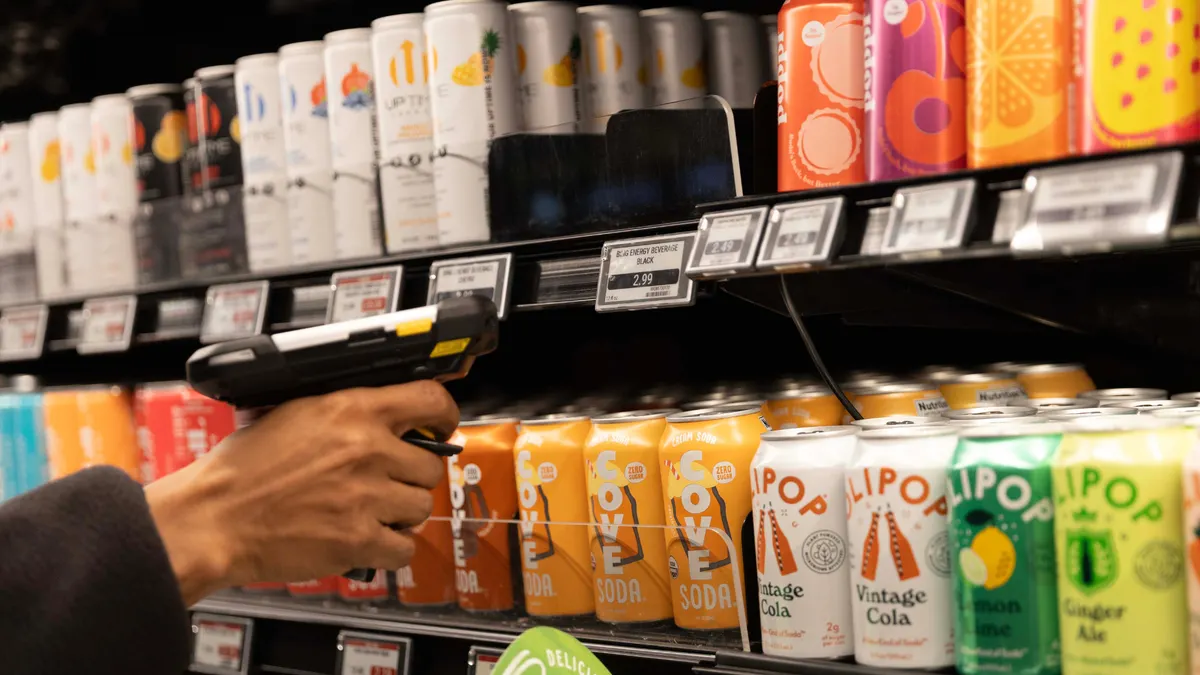
For years, electronic shelf labels (ESLs) were primarily associated with simplifying price and promotional updates. Today, their potential extends well beyond price displays.
When combined with connected shelf infrastructure, computer vision, AI and cloud-based analytics, digital shelves can become part of a more intelligent store operating environment.
Inventory tracking technology can help identify potential out-of-stock, planogram compliance, and merchandising discrepancies, while connected labels can guide associates to specific product locations during replenishment and online order fulfillment. Information from these systems can help store teams prioritize tasks and respond more efficiently to changing conditions.
For grocers managing thousands of products, complex store operations and growing omni-channel demand, this connectivity creates opportunities to improve execution at the point where it matters most.
Rather than relying solely on manual checks or disconnected systems, retailers can gain a clearer view of shelf conditions and equip associates with information to take timely action.
Connected store innovation in action
Major grocery retailers are already demonstrating how connected shelf technology can improve store operations.
In the U.S., Walmart is expanding its deployment of Vusion's EdgeSense and VusionCloud solutions across its approximately 4,600 stores.
Beyond improving pricing operations, the retailer is using digital shelf labels to support replenishment, online order picking, and shopper experience. In an October 2026 update, Walmart highlighted how its Stock to Light, Pick to Light, and Shop to Light capabilities use flashing LEDs to help associates and shoppers locate products more easily.
At specialty grocer The Fresh Market, Vusion's connected-store technology is helping teams improve inventory availability and streamline daily tasks across a chain of more than 170 stores.
By combining digital shelf labels with AI-powered insights, associates can identify availability gaps and focus on areas requiring attention rather than relying exclusively on manual store walks. Vusion's case study reported an 8% improvement in on-shelf availability in pilot stores.
Meanwhile, Carrefour's strategic partnership with Vusion, announced in February 2026, will bring connected shelf technology, smart rails and AI-powered computer vision to its French hypermarkets and supermarkets by 2030, with the goal of improving productivity, product availability and customer experience.
While each retailer has distinct priorities, these initiatives point toward a common direction: making physical-store operations more efficient, connected, and actionable.
Less time searching for problems. More time solving them.
Perhaps the greatest opportunity isn't simply automating routine tasks. It's helping store teams focus their time where it creates the most value.
Consider the traditional process of identifying an empty shelf. An associate must discover the issue, determine whether inventory is available, and decide how to resolve it.
With connected shelf intelligence, technology can help identify potential availability gaps, surface actionable information, and guide associates toward priority tasks.
Similar capabilities can support faster product location, more efficient replenishment, and more consistent promotional execution.
For grocery leaders balancing operational efficiency, operating costs, and shopper expectations, the potential benefits extend across the business.
Improvements can be measured through on-shelf availability, time spent on manual checks, replenishment efficiency, and order-picking productivity.
The value isn't simply knowing what's happening on the shelf. It's helping store teams act on that information before operational issues affect the shopper experience.
The next chapter of grocery AI starts in the aisle
AI is creating new possibilities for grocery retail, but its operational value depends on accurate, timely information from the physical store.
Connected shelf infrastructure helps bridge the gap between enterprise systems and store-level execution, turning shelf information into insights that support better decisions and more responsive operations.
For grocers, the opportunity is no longer simply digitizing pricing or collecting more information.
It's making every shelf part of a connected operation that helps grocers improve product availability, simplify everyday tasks, and deliver a more consistent shopping experience.
And as leading retailers demonstrate, that transformation is already underway.