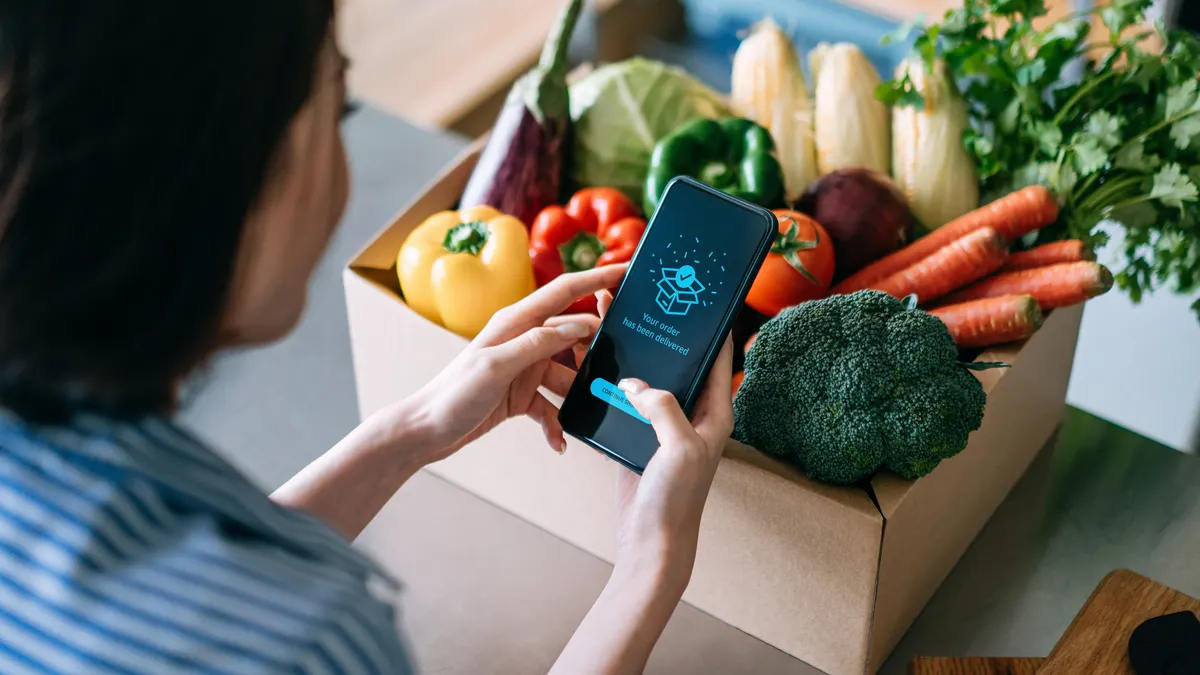

On-demand grocery is no longer a niche channel—it’s a consumer expectation. Instant and same-day grocery delivery services are growing more than 30% year over year in major urban markets, making rapid fulfillment one of the fastest-expanding segments of online grocery. The message is clear: speed, convenience, and consistency are now baseline expectations.
But as on-demand volume grows, so do the challenges for grocers trying to meet those expectations without sacrificing margin, brand experience, or valuable customer relationships. Platform-native players have reset the standard for “fresh and fast”—offering 30-minute delivery and predictive substitutions—forcing traditional grocers to confront a critical question: Can we compete on speed without surrendering the shopper?
As customer journeys stretch across apps, devices, and delivery options, the expectation for always-on, always-right fulfillment has become the new default. But the cost of chasing it with disconnected systems or third-party marketplaces can be high—unless grocers take back control of the infrastructure behind the experience.
The hidden cost of outsourcing convenience
To meet shopper demand for immediacy, many grocers turned to third-party platforms for help. These partnerships offered reach—but at a price. When the digital platform controls the storefront, they also control the data, the brand experience, and often, the loyalty.
And the shopper doesn’t care who’s technically responsible. An out-of-stock message, a poorly handled substitution, or a mismatched fee at checkout may technically fall on the delivery partner—but the blame lands squarely on the grocer.
As national retailers invest in fully owned fulfillment networks, and tech giants shape consumer expectations with algorithmic precision, many grocers are left trying to match the promise—but without the infrastructure to make it profitable.
Same-day expectations, legacy systems
The challenge isn’t just speed—it’s orchestrating speed profitably.
Today’s omnichannel models—curbside, delivery, in-store pickup—require tighter coordination between store teams and digital systems. But many regional grocers are still relying on legacy tools and disconnected workflows that weren’t built for this level of flexibility.
When systems don’t talk to each other, friction builds: items show up online but aren’t available in-store, substitutions get missed, and refund rates creep up. Manual picking and paper-based approvals only widen the gap between what’s promised and what gets delivered.
Grocers don’t need perfection at every step—but they do need infrastructure that’s connected enough to help close the distance between online expectations and in-store execution—especially as shopper loyalty becomes harder to earn and easier to lose.
Building a smarter path to “now”
Some grocers are flipping the script—adapting their store and fulfillment operations to deliver the speed, accuracy, and control today’s tech-first players have made standard.
What does that look like in practice?
- Maintaining first-party data ownership, even when working with third-party delivery apps—keeping the grocer at the center of the customer relationship.
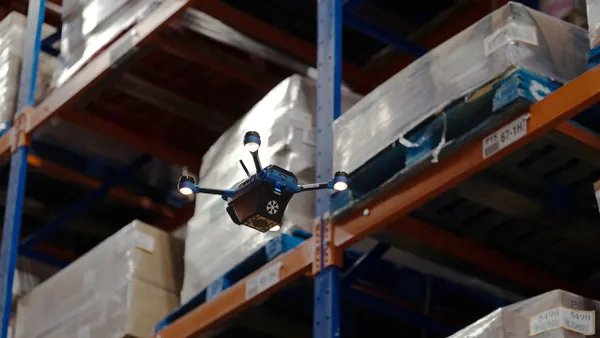
- Using next-generation multi-channel fulfillment solutions and strategic store-level dark stores or micro-fulfillment zones to absorb high-volume, fast-turn digital orders while preserving the in-store shopper experience.
- Applying AI-powered demand forecasting that factors in promotions, local weather, and historical trends to reduce spoilage, improve SKU availability and lengthen on-hand expiry dates across the store.
- Orchestrating orders dynamically based on inventory availability, location, staffing levels, and SLA requirements.
Grocers implementing these capabilities have reported up to 2.5× more orders fulfilled per labor hour, SKU availability consistently above 98%, and order accuracy reaching over 99.9%—even during peak hours.
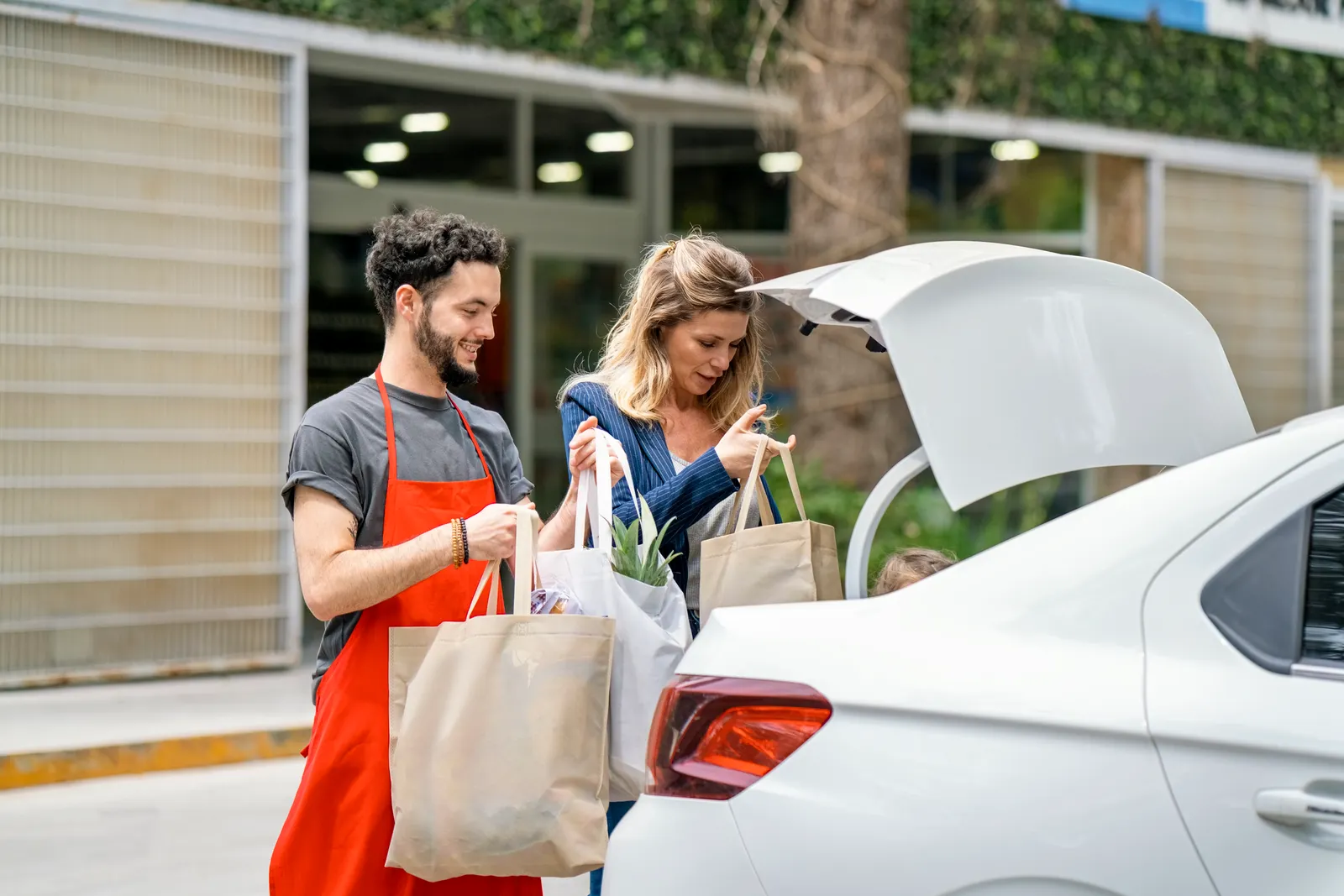
Ownership in the age of everywhere
Grocery is no longer defined by the four walls of the store. It’s a network of touchpoints—from apps and marketplaces to micro-fulfillment centers and curbside pickup. But in that network, success isn’t about being everywhere—it’s about staying in control and delivering a consistent experience across every fulfillment channel in play.
That means:
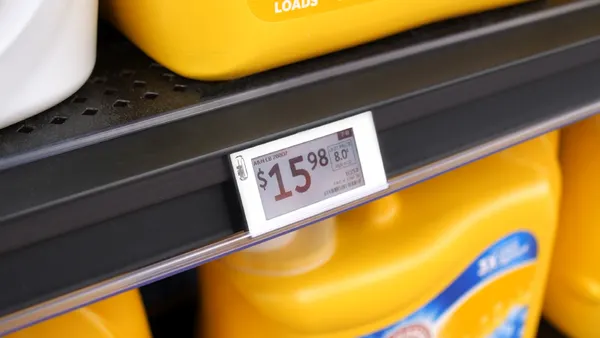
- Adopting real-time in-store inventory data layers and syncing inventory across channels in real time
- Unifying fulfillment workflows with store operations to maximize labor efficiency—without pulling staff away from customers
- Recommending substitutions based on shopper preferences and actual product availability
- And most importantly, ensuring ongoing visibility into the customer relationship: who they are, what they need, and how to serve them better with each order.
The infrastructure advantage
In today’s grocery economy, the grocers who win “now” aren’t just fast. They’re connected—operationally, technologically, and relationally—to the people they serve.
That’s why purpose‑built infrastructure matters—platforms like OrderGrid that integrate real-time inventory with store ops, forecasting, fulfillment, and orchestration across stores, dark stores, and digital touchpoints. Just as importantly, they help retailers maintain ownership of shopper relationships and protect first-party data in an era of increasing platform pressure.
Because in the end, it’s not just about meeting the moment. It’s about owning it.
Curious how these capabilities come together? Learn how OrderGrid helps grocers stay in control with purpose-built solutions for AI Demand Forecasting, Store Inventory & Execution, Dark Store Operations and Multi-Channel Order Coordination.