Nearly two decades after it ceased operating as a specialty grocer, the Wild Oats brand has made another comeback — this time, as an organic food and beverage line from distributor KeHE.
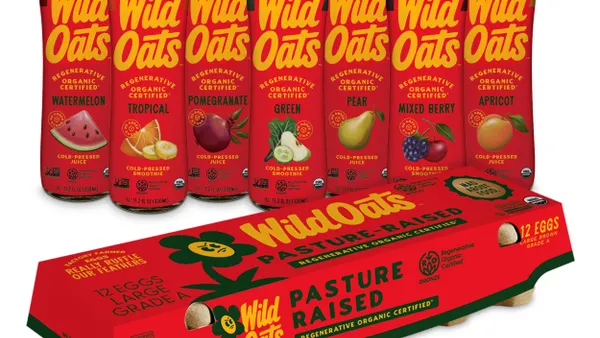
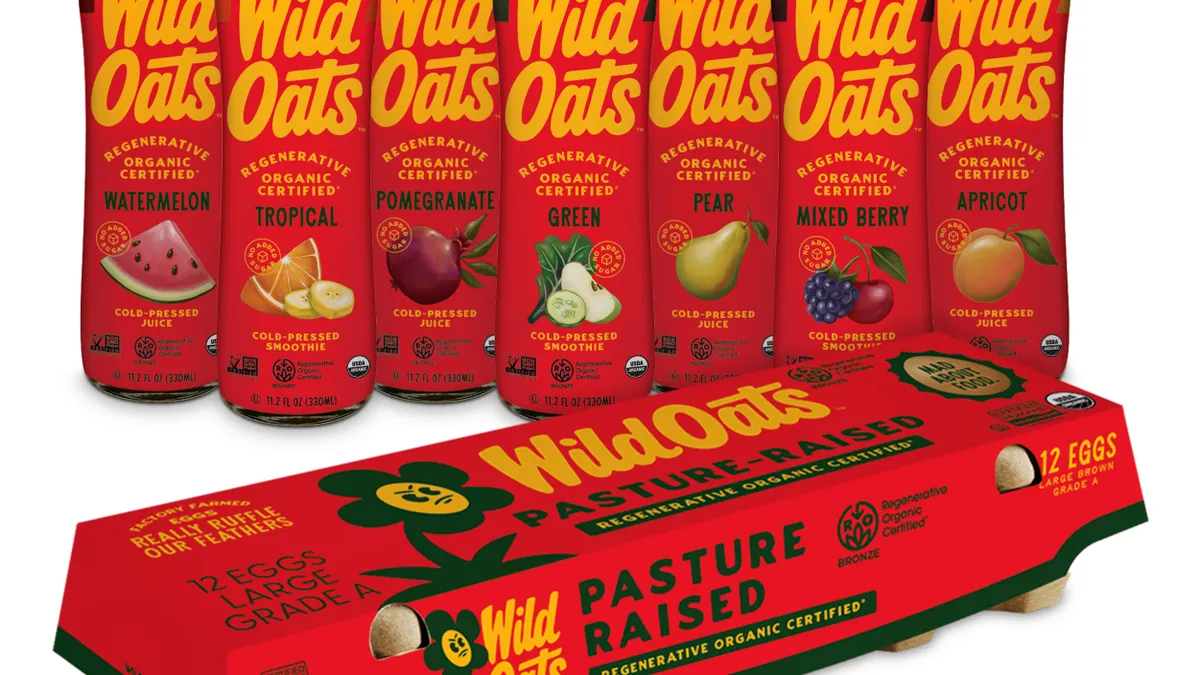
Last week, KeHE announced the release of Regenerative Organic Certified cold-pressed juices, smoothies and eggs under the revitalized Wild Oats brand. Developed over the past year, the products will debut at KeHE’s annual show next month and begin rolling out to natural and organic retailers this summer, said Will Rosenheimer, brand manager for Wild Oats.
The return marks the latest step in a long and complex saga for Wild Oats. Founded in the late 1980s in Boulder, Colorado, the specialty grocer grew to more than 100 stores across 23 states and was a pioneering name in the natural and organic movement. In 2007, Whole Foods Market acquired Wild Oats for $700 million, but federal regulators challenged the deal, causing Whole Foods to sell 32 stores and relinquish the Wild Oats brand name.
In 2010, Whole Foods sold Wild Oats’ intellectual rights to an egg and dairy company that, around two years later, sold the brand to Yucaipa, an investment firm that had been a power player in the grocery industry and had owned a 17% stake in Wild Oats before its sale to Whole Foods. Wild Oats products appeared in stores operated by Fresh & Easy, the Yucaipa-owned grocery chain that filed for bankruptcy in 2015.
Even Walmart took a chance with the Wild Oats name in an effort to build its assortment of natural and organic goods. It stocked around 100 Wild Oats products in around 2,000 stores starting in 2014, but ended the deal in 2016.
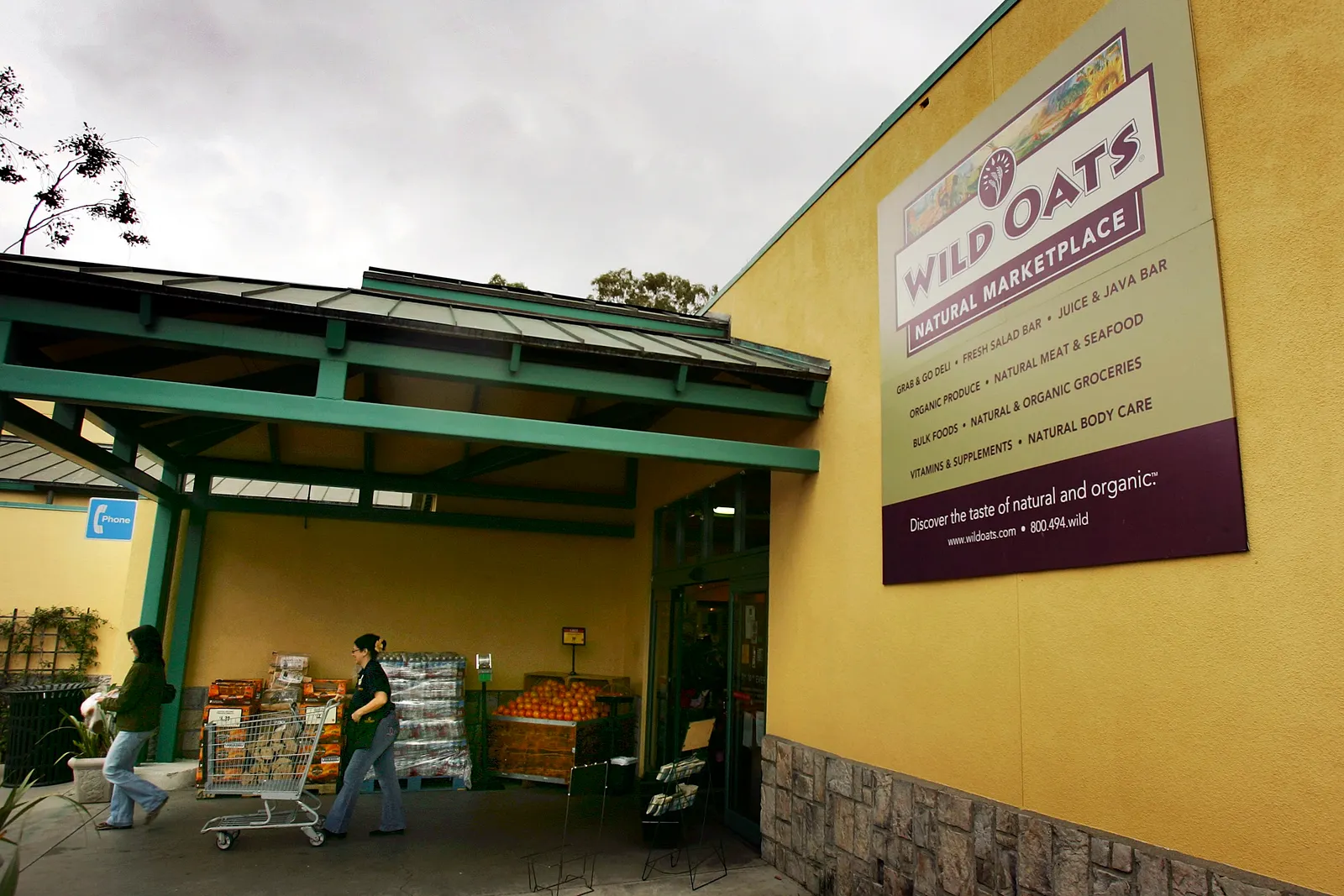
With this latest turn in the Wild Oats narrative, KeHE, which acquired the brand last year, is hoping to capitalize on the valuable cache the Wild Oats name still carries with specialty shoppers. Rosenheimer said that a survey the company did of a little over 1,000 consumers found that 44% were aware of the brand.
KeHE also sat down with former Wild Oats workers and learned about the retailer’s pioneering legacy and focus on clean, responsible sourcing.
“In relaunching the brand, we are aiming to honor that legacy and those values that were true then and are still very relevant today,” said Rosenheimer.
KeHE has positioned the brand to appeal to core organic consumers. On its website, Wild Oats decries “industrial foods and factory farms” and exhorts shoppers to “eat like an advocate.” The brand notes it’s the first to offer juices and smoothies under the Regenerative Organic Certified label, a relatively new certification program that emphasizes soil and animal health along with social welfare.
“We really believe that there’s a lot of momentum behind regenerative [agriculture] right now,” said Rosenheimer, noting the certification served as a “North Star” for the brand in pushing for a high ingredients standard that would appeal to specialty shoppers.
Wild Oats is the third private label line for KeHE alongside Cadia, which the distributor acquired in 2014, and Made With, which launched in 2016.
Other distributors have also ramped up their private label production as consumers look for lower prices and show that they’re open to trying new brands. United Natural Foods, Inc. offers eight brands, including Essential Everyday and Wild Harvest, while SpartanNash sells more than ten brands in categories ranging from grocery to pet food.
Though KeHE will focus initially on selling Wild Oats products to specialty retailers, Rosenheimer said the brand could eventually expand to conventional grocers.
“We have big, big plans for growth, and hopefully in a couple years, we would love to proliferate the brand to more conventional retailers,” he said.