United Natural Foods, Inc. has made substantial progress toward improving its financial performance, but the grocery distributor and retailer believes it still has a considerable way to go to achieve its goals, executives said Wednesday during a program for investors.
The company — which is in the midst of a multi-year effort to strengthen its profitability, improve efficiency and reduce leverage — finished fiscal 2025 at or above its expectations for net sales, adjusted EBITDA and free cash flow, CEO Sandy Douglas said. The company’s net debt is now at the lowest level since 2018, he added.
“We’re proud of what we’ve accomplished so far, but we have greater conviction about the incredible opportunity we have over the next three years and well beyond. We believe that UNFI is a good company, but it’s on its way to becoming a great company, with its best days still to come,” Douglas said.
UNFI has been working in recent quarters to overcome challenges that have held it back, including forecasting issues that led to an unexpected plunge in profitability two years ago and sparked what the company described as a “transformation agenda” that it is still rolling out.
“The reality is that in the past, we’ve not always delivered on our full potential, and that’s why [the company] has spent the last few years sharpening our priorities, accelerating industry-leading capabilities and improving execution across the business,” Douglas said.
Matteo Tarditi, UNFI’s president and CFO, said during the investor presentation that UNFI wants to help grocers improve their operations to help drive its own financial momentum. That initiative includes making its commercial contracting process more collaborative, Tarditi said.
“We know it is critical that we help our customers more effectively compete over the longer term for both their success and ours, and the growth we are seeing within key parts of our customer base demonstrates how our focus on strengthening these partnerships is driving value differentiation and supporting shared profitable growth,” said Tarditi.
UNFI expects its target market to keep growing at a low-single-digit annual pace, Douglas said, indicating that he believes the company stands to benefit by empowering the grocery retailers it serves — a group that includes many independent grocers — to differentiate themselves from competitors like Walmart.
“We recognize that grocery retailers are navigating an increasingly dynamic marketplace with fierce competition for mass retailers and discounters,” Douglas said. “To win in this environment, we believe grocery retailers need more than a distribution partner. They need a scaled growth partner that can help them meet the challenges of today and tomorrow. That’s the core focus of UNFI’s value-creation strategy at scale.”
UNFI projects that its net sales will post average annual growth in the low single digits over the next few years and expects to generate approximately $300 million free cash flow annually from fiscal 2026 to fiscal 2028. The company has a target of generating $33 billion in net sales in fiscal 2028. UNFI posted net sales of a little under $32 billion in its most recent fiscal year, which concluded in August.
Douglas said that while UNFI continues to rely heavily on its legacy business of supplying natural products to grocers, it also sees conventional products as a key driver. The company’s natural product segment is responsible for almost half of its sales and 70% of its EBITDA, while conventional products account for 44% of its sales and 30% of its pre-tax profits, he said.
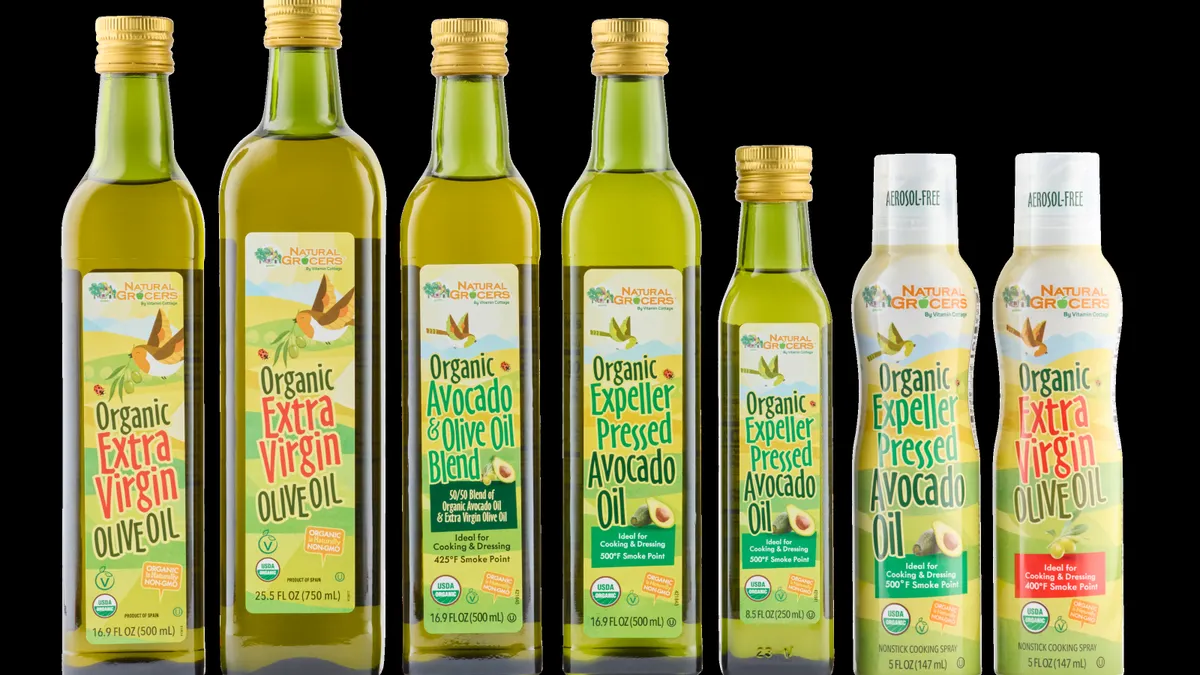
Conventional products play an especially important role in UNFI’s efforts to expand its private brands program. Private label penetration among conventional products is approximately four times that of its natural products business, Douglas said.
Douglas also noted that while UNFI is devoting resources to driving what he described as an effort to get its Cub Foods supermarket banner “back on a winning trajectory,” the company is not including the value it hopes to generate from the Minnesota grocery chain in its financial projections.
UNFI’s retail team concluded that Cub needs to boost its focus on shoppers, improve its assortment and deliver better value to shoppers, and believes it has the chance to make Cub “a local, distinct retailer that can win and dominate in its market,” said David Best, UNFI’s president and CEO of retail.
“We had done some work with our shopper and done some research to really realize we lost our way there,” said Best, who joined UNFI in August.
Cub stepped up its efforts to communicate its value proposition to shoppers during the Thanksgiving shopping period by focusing on private brand staples like milk, eggs, flour and butter, Best said. Cub also leaned on its retail media network to reach shoppers, he said, adding that the company saw signs of success, including higher transaction and unit counts.
“All the headlines are about how these big mass players are gaining share in food, and that’s true, but what’s often underreported is the fact that there’s lots of differentiating unique retailers out there, also winning and breaking through in the marketplace,” Best said. “And part of what gets me excited about being with UNFI and being here specifically leading our retail business, is we have the opportunity to do that here at Cub Foods, and to really break through and be one of those retailers.”
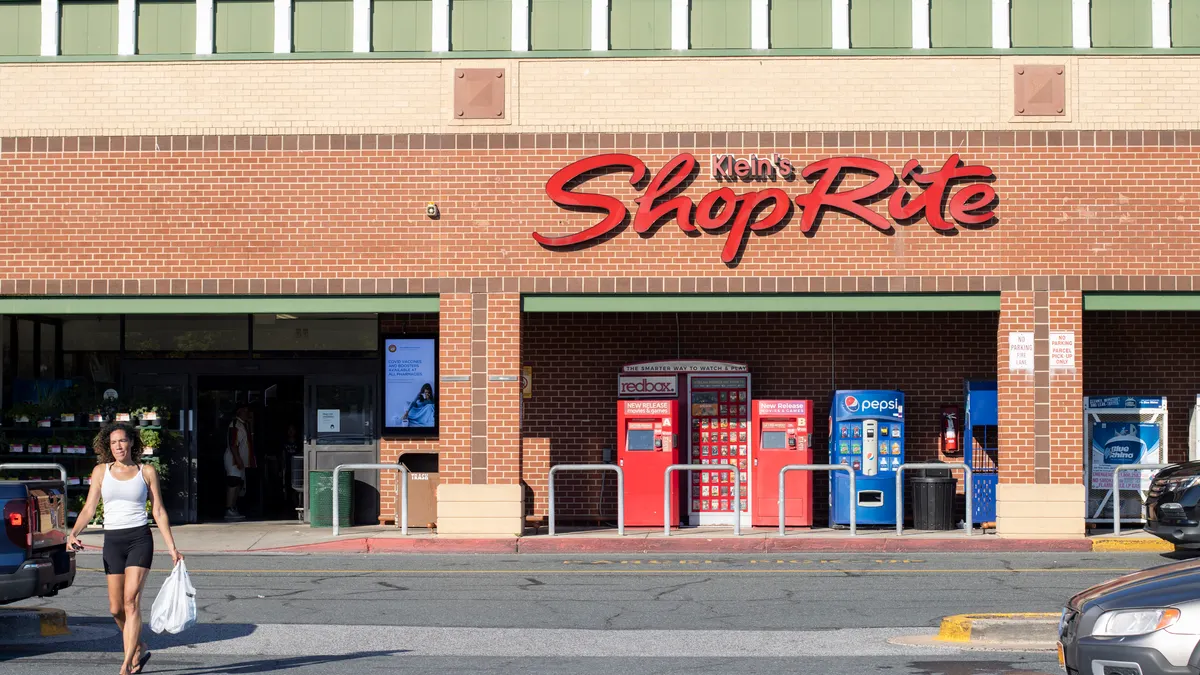
UNFI also runs supermarkets in the Mid-Atlantic region under its Shoppers banner, which it has been shrinking. Executives did not provide details about their plans for Shoppers during the investor presentation.
Investors reacted to UNFI’s announcements by driving down the company’s share price by about 9% on Wednesday. UNFI’s stock price is still up since the start of 2025, however.