The Friday Checkout is a weekly column providing more insight on the news, rounding up the announcements you may have missed and sharing what’s to come.
Could the third time be the charm for The Raley’s Companies’ new leader?
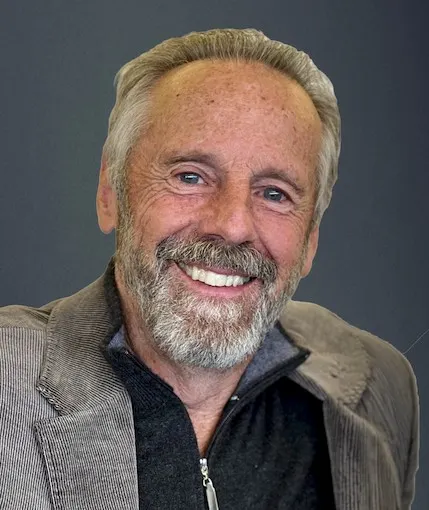
Mike Teel, whom the grocery company named as its CEO earlier this week, has served as chief executive for Raley’s on two separate occasions. The first came in 1998, after he’d spent several years rising through the company’s senior leadership ranks. Teel, the grandson of Raley’s founder Tom Raley, left the grocer in 2002 to pursue different business interests before returning in 2010 as president and CEO. In 2018, he handed over the chief executive reins to Keith Knopf, who he is now replacing.
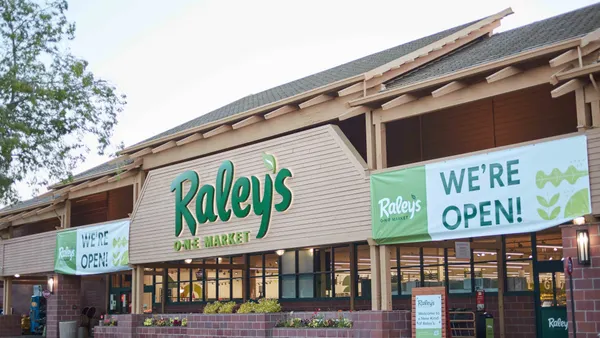
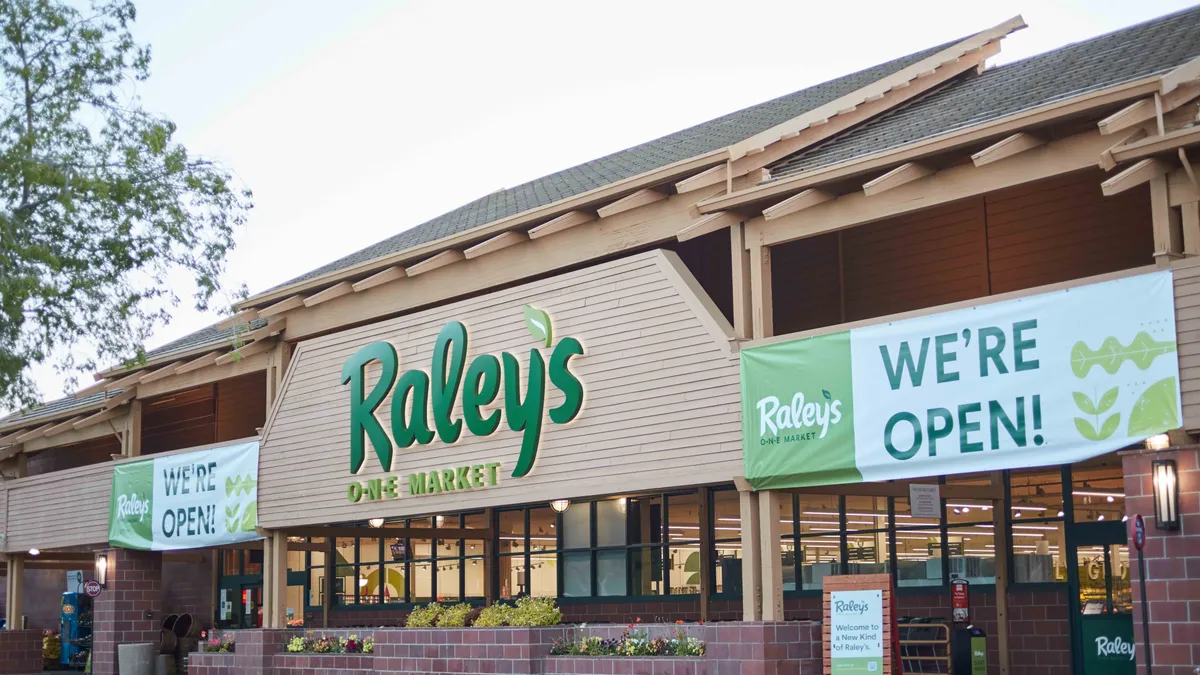
It’s unclear what led Teel to take back over the company that now oversees not just Raley’s but also the Bashas’ chain, which it acquired in late 2021. But it could certainly use a bit more pep in its step. In the years leading up to the Bashas’ acquisition, Raley’s made several innovative moves, including launching two new store formats called Market 5-One-5 and O-N-E Market and setting leading nutrition and sustainability standards for its products. Since the merger, though, The Raley’s Companies hasn’t announced any groundbreaking new initiatives or growth plans for either chain. Raley’s now operates 117 stores, according to its website, seven fewer than it operated at the time of the Bashas’ acquisition.
The merger between Raley’s and Bashas’ signalled the potential emergence of another super-regional chain. But a few factors seem to be putting a damper on that possibility. Raley’s and Bashas’ aren’t built to thrive in the value-driven era the grocery industry is currently navigating. And the geographic gap between the two chains — Raley’s mostly operates in Northern California while Bashas’ is primarily in Arizona — makes it difficult for the two companies to share cost-saving resources like distribution centers.
Under Teel’s past leadership, Raley’s made small-scale acquisitions, launched its loyalty program and took steps like setting new product standards that refined its position in the market. The Raley’s Companies will likely look to rekindle that magic once again under his leadership.
In case you missed it
Sam’s Club hikes its membership fee
The club retailer is raising its membership fee by $10, effective May 1. Once in effect, a regular Sam’s Club membership will cost $60 per year while its Plus membership will cost $120 annually, according to an email to its members obtained by Grocery Dive. Sam’s Club noted in the email that its Plus members “will benefit from an increased 2% Sam’s Club rewards cap, from $500 to $750 per year.”
For its most recent fiscal year, Sam’s Club’s membership fee revenue grew 8.7% compared to the prior year.
Japanese grocery store to debut in Arizona
Osaka Marketplace, a San Francisco Bay Area-based Japanese grocery store, plans to open its first Arizona store in north Phoenix, ABC 15 reported. The expansion comes as multicultural grocers grow their presence across the U.S.
Store brands see their market share grow
Private label has reached $330 billion in U.S. sales and now accounts for nearly a quarter of total market share, according to new Circana research. Food and beverage is fueling this expansion, the research firm said, noting that private label products have a 24% value share within that sector. Rising adoption by Generation Z shoppers, increasing consumer trust and retailer investments in premium, wellness and sustainability-focused offerings are also driving sales, Circana said.
Impulse find
Grocers get in on the joke
For April Fools’ Day, two grocers didn’t pass up the opportunity to kid around with their customers.
Natural Grocers leaned into its reputation as a retailer that supports its customers’ desires to live healthier by “announcing” Wellness Bath Tissue — a three-ply toilet paper packed with collagen, magnesium and creatine — as its newest private label addition. The fake private brand even got its own animal mascot, an elephant, for the packaging mockup.
Meanwhile, Aldi fed into mispronunciation around its name with a multi-day fake rebranding campaign on social media. It started with an Instagram post at the start of the week that included a store sign that read “Aldi’s.” Eagle-eyed commenters noted it in the post’s comments. The next day, Aldi made another Instagram post about a product that included the same fake name.
The next day, Aldi posted that it would “embrace Midwest roots” with a rebrand to “Aldi’s,” driving people to the comments section to note how absurd the claim was — and also point out that Aldi is originally from Europe. Aldi continued the ruse until noting on April Fools’ Day that the name change was, in fact, just a joke.
Sean Young contributed reporting