Dive Brief:
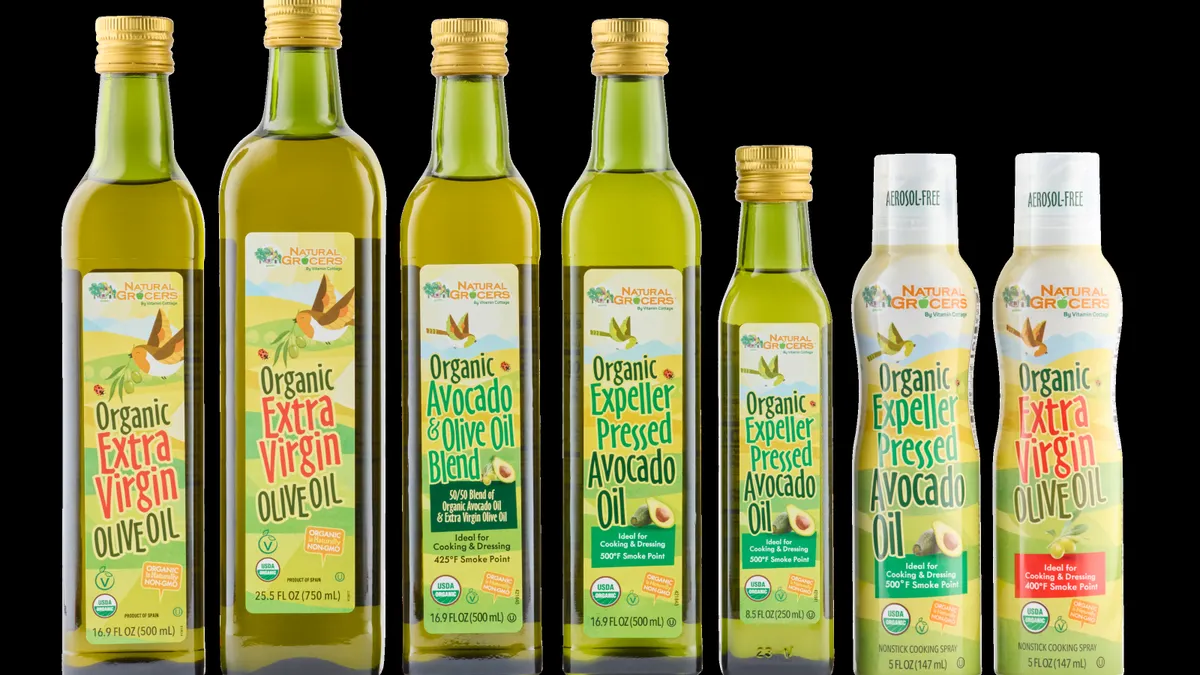
- Private label product sales in the United States rose 3.3% last year compared with 2024 to a record $282.8 billion, according to Circana statistics released Tuesday by the Private Label Manufacturers Association.
- Private label sales grew nearly three times as quickly in 2025 as sales of national brands, which rose 1.2%, PLMA said.
- The data reflects strong and ongoing shopper and retailer interest in store-brand goods as affordability concerns continue to grip consumers.
Dive Insight:
Store-brand sales were up across multiple categories in 2025, building on a year-over-year gain of nearly 4% recorded in 2024.
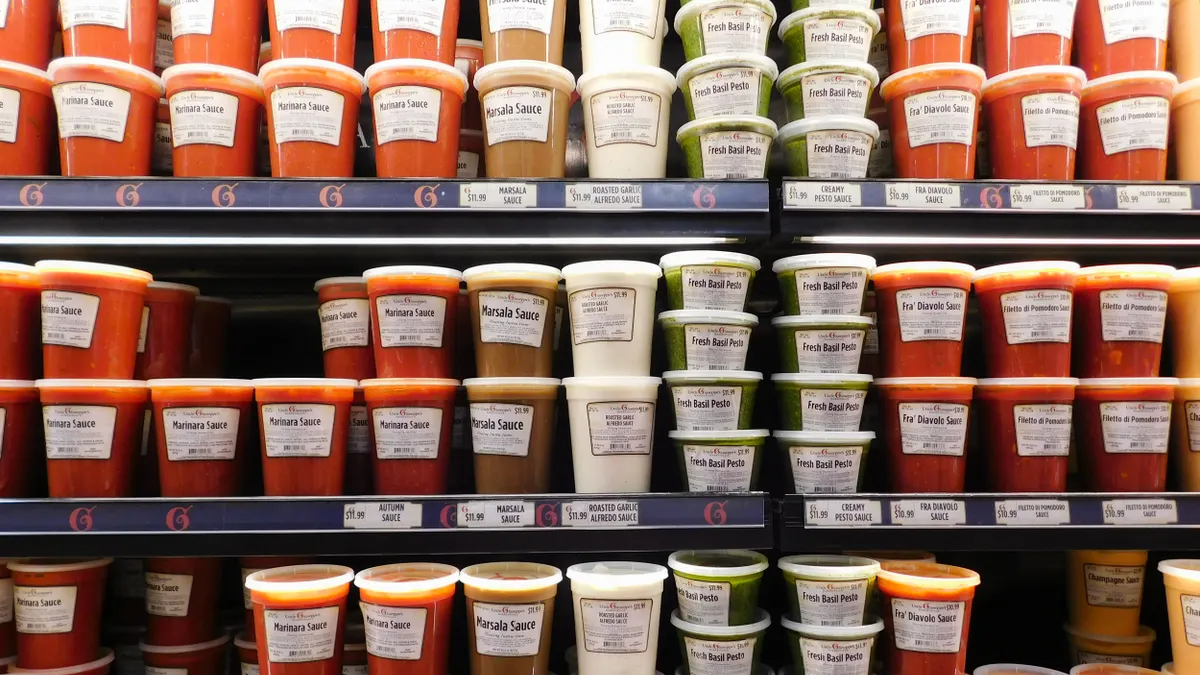
The refrigerated department led all categories in store-brand dollar sales last year, recording an increase of over 6%. Beverages came in at No. 2, with a nearly 5% increase, followed by pet care (3.7%), beauty (2.8%), frozen (2.4%), general food (1.6%) and general merchandise (0.9%).
“Private label growth reflects a shift in consumer priorities, as retailer-owned brands increasingly compete — and win — on value, quality, health, and sustainability, not just price,” PLMA President Peggy Davies said in a statement.
Volumes were also up among private label goods in 2025, rising by approximately half a percent, or about 430 million units, to a record 68.7 billion, PLMA said. By contrast, national brand units declined by 0.6% last year, according to the trade group.
Pet care products led the way among private label products last year, as unit sales for the category rose 5.4%, followed by liquor (4.4%), beverages (2.3%), refrigerated (0.7%) and general food (0.2%).
Over the past five years, private label sales increased by more than 30%, and dollar share grew from 19.1% to 21.3%. Annual unit sales of store-brand products moved up over 4% during the same period, with unit share rising nearly 2 percentage points to 23.5%.
Private label goods have grown in appeal to consumers as inflation and other economic concerns have pervaded the economy, with even higher-income shoppers becoming more price sensitive. In an example of that, consumers with household incomes over $100,000 have become more likely to buy private label groceries despite feeling increasingly confident about their financial security, management consulting firm Alvarez & Marsal found in a survey last year.