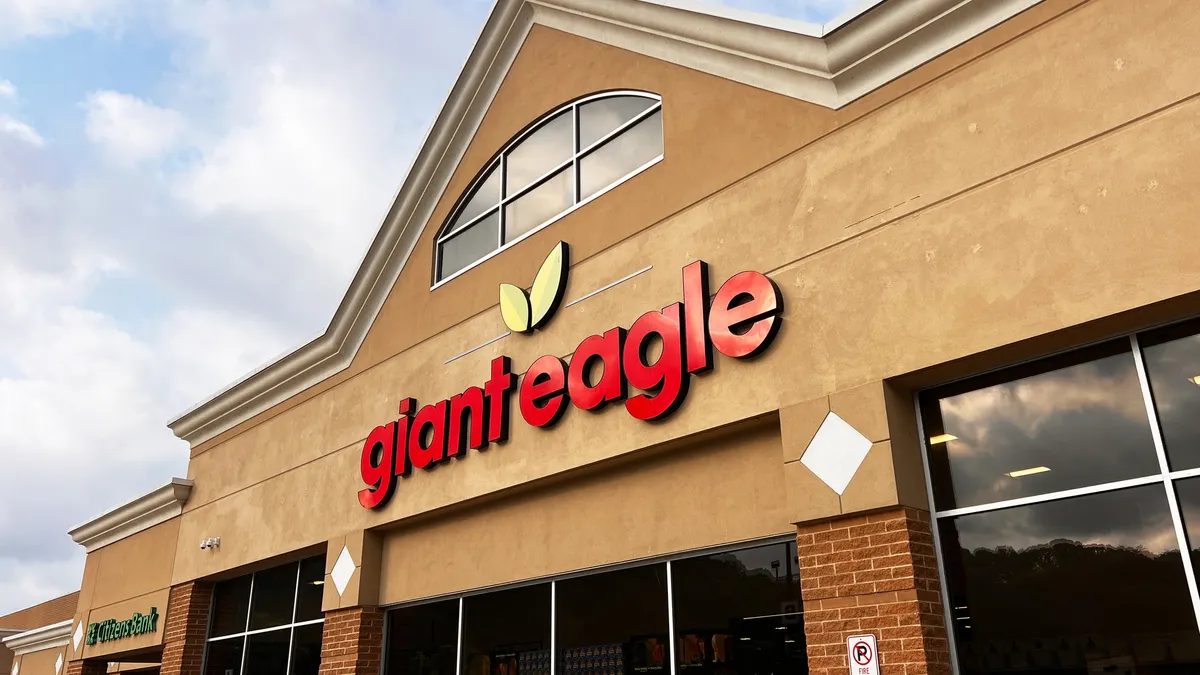
Pardon the Disruption is a column that looks at the forces shaping food retail.
Over the past decade or so, Kroger has strayed from the M&A strategy that has powered its empire. Instead of acquiring regional chains to grow its footprint and add valuable assets, the company focused on bolt-on deals (Home Chef, Murray’s Cheese), a flawed e-commerce partnership and its overly ambitious attempt to merge with Albertsons.
Kroger’s plan to acquire Giant Eagle, then, seems like a return to form. The $1.65 billion deal, which the companies expect to close sometime next year, nets Kroger nearly 200 stores and a handful of pharmacies at a cost that, like a well-crafted in-store promotion, was just too good to pass up.
The purchase price amounts to about four days’ worth of sales across Kroger’s business — “a relative pittance … considering [Giant Eagle’s] $9 billion in estimated revenues,” analysts with R5 Capital Markets wrote in a research note Wednesday.
But what is Kroger actually getting for its money? To me, the benefits seem pretty mixed.
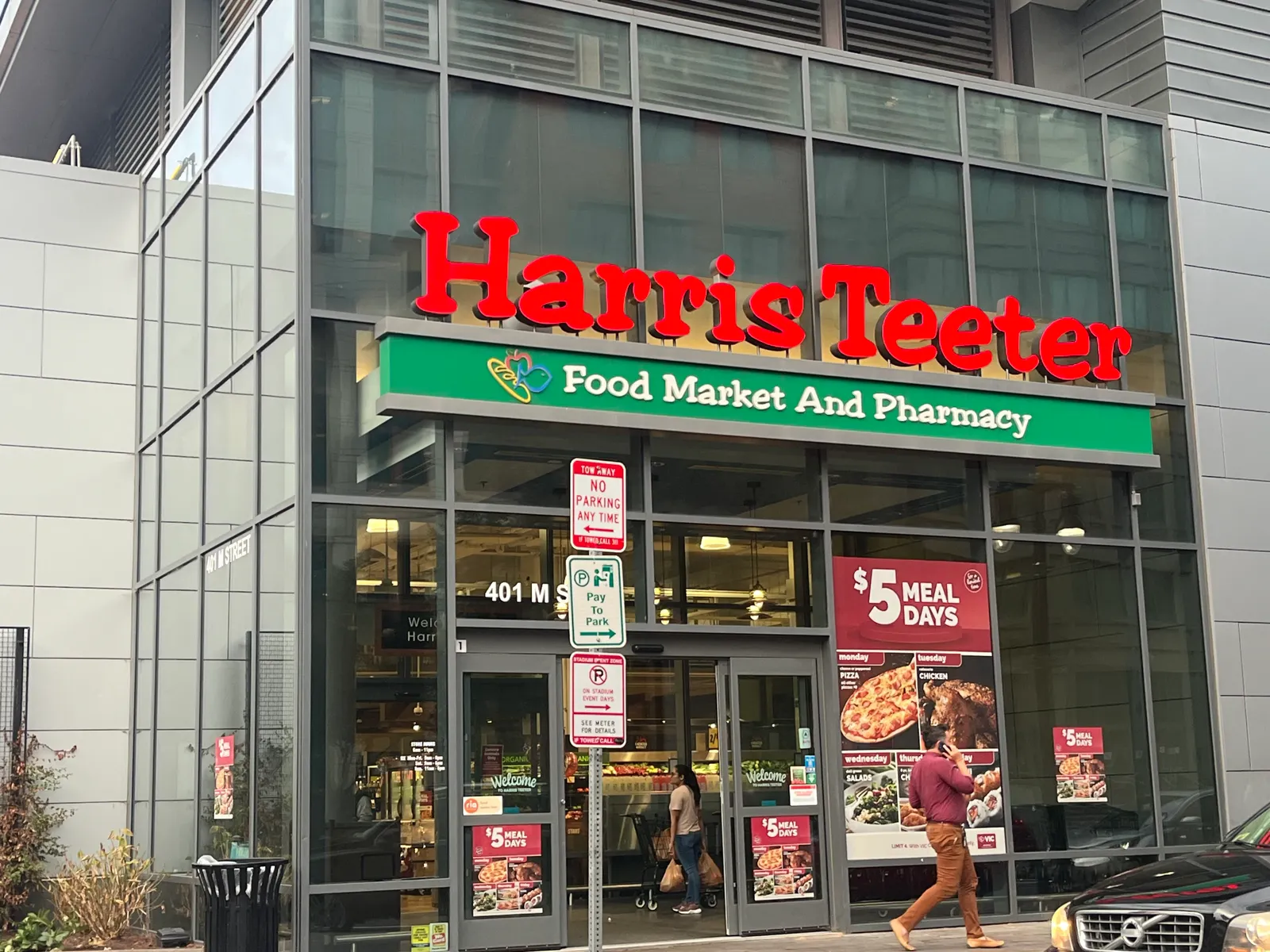
In the past, Kroger made acquisitions that introduced it to new regions or added valuable assets. It picked up Fred Meyer in 1998 to expand into the Western U.S. When it acquired Harris Teeter in 2014, Kroger gained an ahead-of-its-time e-commerce platform that helped it hone and build its online grocery business.
The geographic benefits of adding Giant Eagle are clear but don’t seem as compelling as in past deals. Kroger already has stores in four out of the five states where Giant Eagle operates. The major market additions are Pennsylvania, where Kroger doesn’t currently operate any stores — specifically Western Pennsylvania, where Giant Eagle has built a robust presence stemming from its Pittsburgh headquarters — and Northeast Ohio, a market where Kroger hasn’t operated for decades.
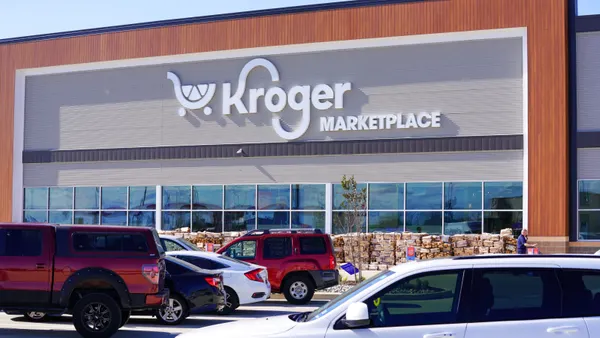
I’m also not sure that Giant Eagle has something Kroger doesn’t. Both grocers share a lot of DNA, from their deep investments in pharmacy, private label and retail media to the fact that both operate alternative supermarket models — Giant Eagle’s Market District and Kroger’s Marketplace stores. These assets will probably integrate nicely with Kroger’s, but there doesn’t seem to be a true gem in the deal like Harris Teeter’s online business or Mariano’s foodservice expertise.
“Giant Eagle isn’t strongly differentiated from Kroger’s existing banners, and it lands right as Meijer and Sprouts expand and Walmart and Aldi keep taking share,” Diana Sheehan, founder and principal consultant with PDG Insights, told me via email.
Sheehan’s comment highlights the main challenge with this deal: Giant Eagle has faced strong competitive pressure from mass merchandisers and other low-price retailers in recent years. It embarrassingly ceded the top market share spot in its hometown to Walmart a few years back before quickly regaining it. Getting the full value of this deal means Kroger will need to sharpen Giant Eagle’s performance as it also tries to improve its own.
That all adds up to an awfully full plate for Kroger and its recently minted CEO, said Neil Saunders, managing director with GlobalData.
“For Kroger, making a success of the deal requires it to absorb a new division at the same time as fixing the core of its own business,” he wrote in emailed comments. “It will also need to sweat the assets of Giant Eagle through things like loyalty programs, its media network and other incremental revenue streams.”
Despite these challenges, I don’t think this deal is a dud. There’s certainly value in Kroger building its economies of scale at a time when it’s looking to boost efficiency and bring down costs. And Giant Eagle is a well-regarded company that’s known for being innovative in areas like loyalty and digital operations. It most certainly has capabilities that complement Kroger’s business as both companies look to sharpen their swords against the likes of Walmart.
But I’m not convinced this deal is a home run, or even an extra base hit for that matter. That’s a sentiment investors seem to share, with Kroger’s stock price only up a little over 3% on Wednesday.
“Obviously, this is not a transformative deal, but store overlap is relatively light (we see about 12 Giant Eagle stores within 5 miles of an existing Kroger location), and it gets Kroger in new territory at a reasonable price,” Michael Infranco, assistant vice president at RetailStat, wrote in an email.
I honestly did not expect Kroger to make an acquisition anytime soon. Foran has zeroed in on organic growth and squeezing more from the company’s existing assets — namely its stores — rather than looking beyond its food empire. I give credit to him and the company, however, for remaining nimble and opportunistic.
Ultimately, Kroger’s acquisition is a vote of confidence in the improvement strategy that’s taking shape under Foran. Although Giant Eagle’s competitive struggles might seem like a warning sign, Kroger clearly sees it as an opportunity to scale its turnaround plan.
Sam Silverstein contributed reporting to this story.