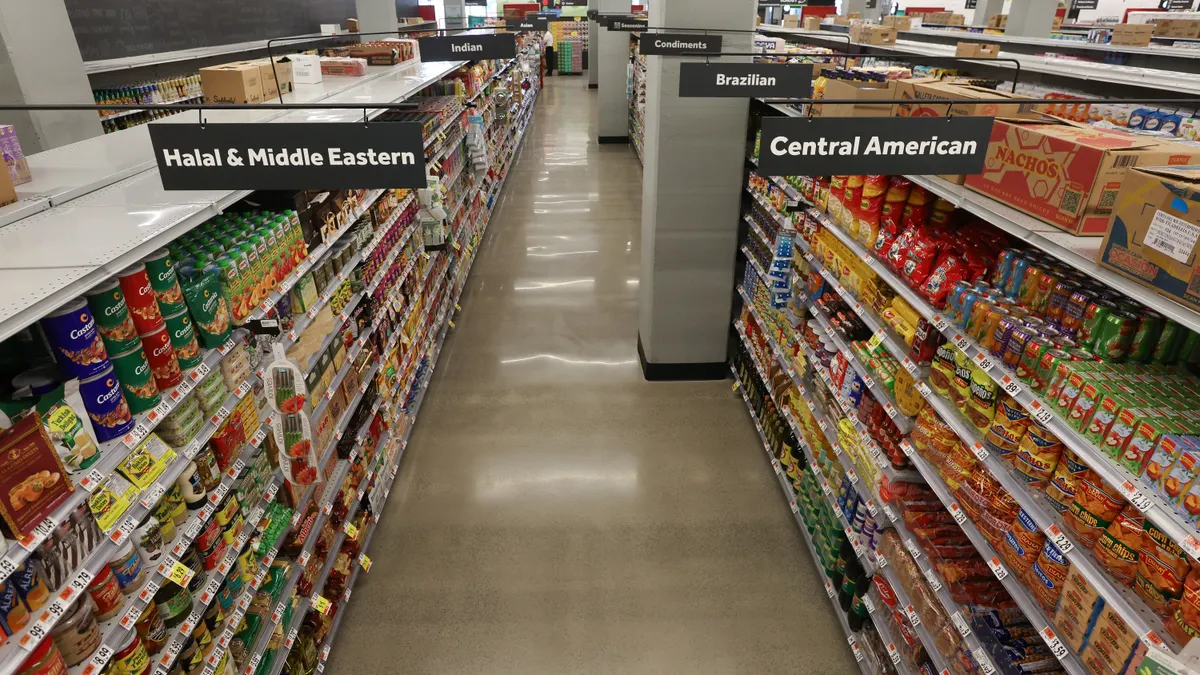
America has outgrown the generic “ethnic aisle” in grocery stores. With the country becoming more ethnically diverse and younger generations seeking out global flavors, the grocery industry can expect an influx of multicultural food stores and aisles that better reflect community needs in 2026, according to industry experts.
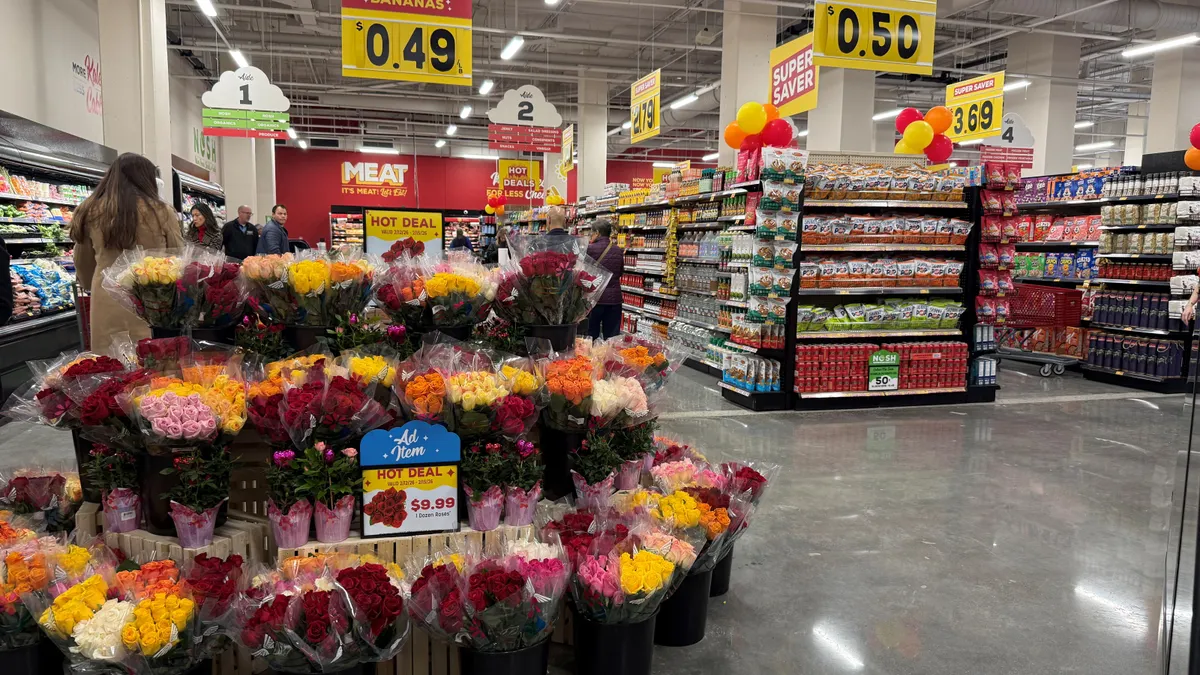
Multicultural grocery stores are successfully finding their footing in the U.S. Asian grocers like H-Mart and 99 Ranch are expanding not only their footprints, but also experimenting with store formats. Hispanic grocery company Heritage Grocers Group, meanwhile, is undergoing a company-wide artificial intelligence transformation to improve operations, including pricing and promotion. All the while, traditional grocers are also working to avoid being left behind.
International food products and multicultural grocery stores are simply another branch of specialty grocery, which has seen increasing success in recent years, especially over traditional and regional grocers. So just as consumers continue to seek out higher-end staple items and fresh goods, they are also expanding their horizons to explore international flavors.
“[Multicultural grocers] are creating a path, because they offer the same things that are valued by natural and organic shoppers… and if you look at the overlap between natural and organic grocers, and in essence, diverse consumers and what they value most, it’s the same damn thing,” PDG Insights founder and CEO Diana Leza Sheehan said. This overlap includes a desire for transparency in product ingredients and sourcing, local procurement, and fresh offerings, she said.
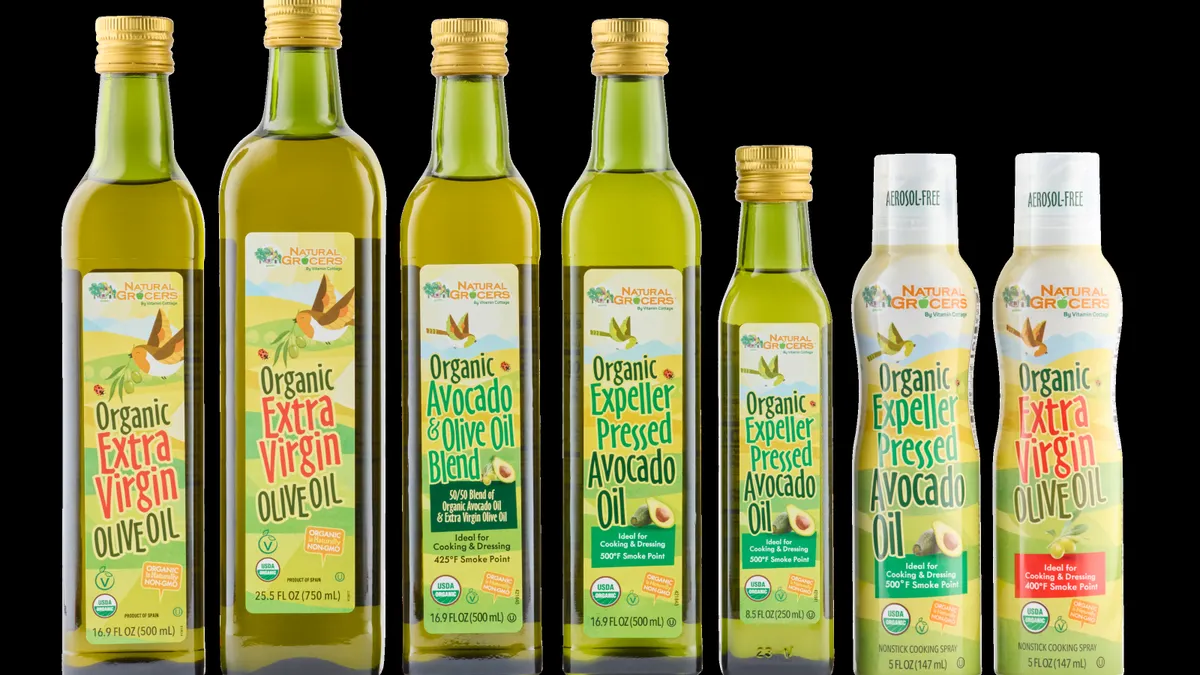
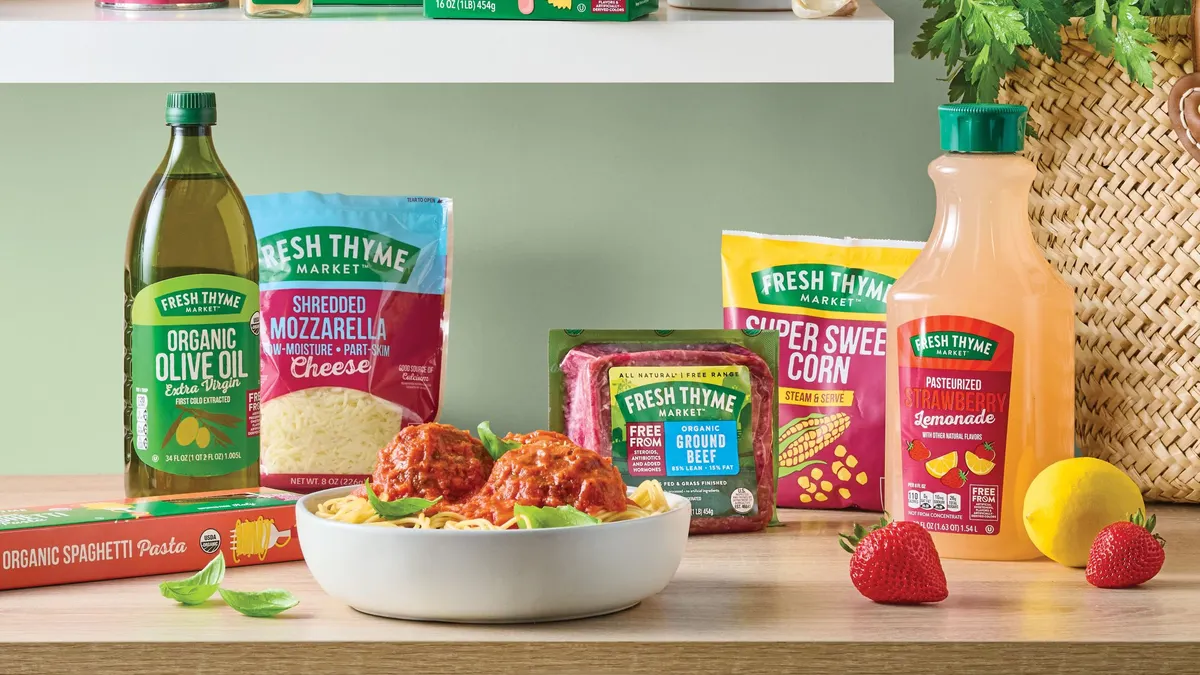
Sheehan pointed to Latino consumers as a prime example of where this overlap occurs, as this consumer cohort, which is one of the fastest growing populations in the U.S. and makes up 20% of the country’s population, “overindexes” at specialty grocers like Whole Foods Market, Fresh Thyme, Natural Grocers and Sprouts Farmers Market.
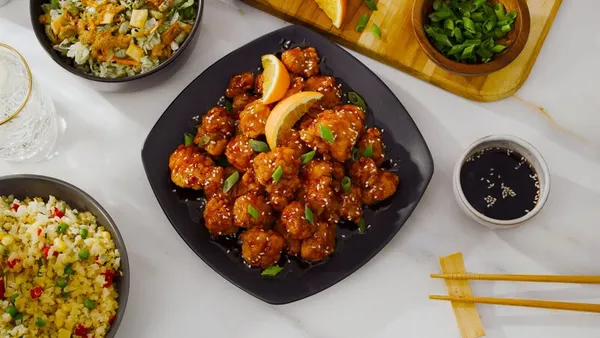
Consumers are also becoming more intentional about the food products they buy, according to product intelligence at data firm SPINS. During the company’s 2026 Market Report and Trend Predictions, Jessica Maniscalco, director of retail partners at SPINS, said this intentionality is also leading consumers to expand their palates for “global flavors that add variety, authenticity and adventure to everyday meals.” And, like specialty grocery shoppers, they are willing to pay a premium for these goods, she added.
“Today’s consumers are no longer just experimenting with international taste. They’re actively seeking out these products,” Maniscalco said.
How traditional grocers can broaden their multicultural assortment
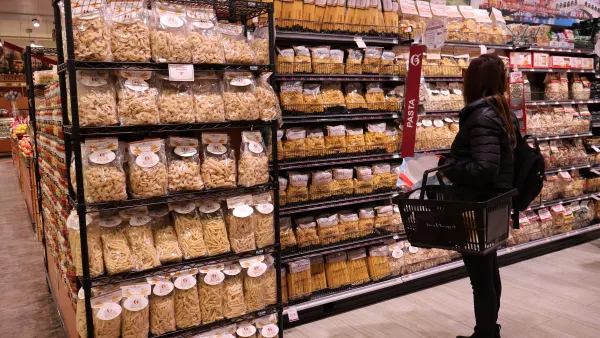
Introducing global flavors is far from a new strategy for traditional grocers. Kroger debuted a Hispanic-inspired food and beverage private label line in late 2023, and Big Y expanded its Hispanic grocery section at one of its stores in 2024.
But to meet consumer demand, there is more to be done — and private label could play a key role in 2026. Store brands have long been a solution to fill grocers’ assortment gaps and can do the same when introducing more multicultural offerings, industry experts said.
International private label items allow grocers to offer a “more diverse flavor selection” and help them continue to move away from catch-all ethnic aisles, Sheehan said.
During SPINS’ webinar, Maniscalco noted the growing demand for halal and kosher items — not only for the religious communities that seek them out, but also because these items carry certifications that are “trusted markers of intentional, well-regulated food” that appeal to health-conscious and natural consumers.
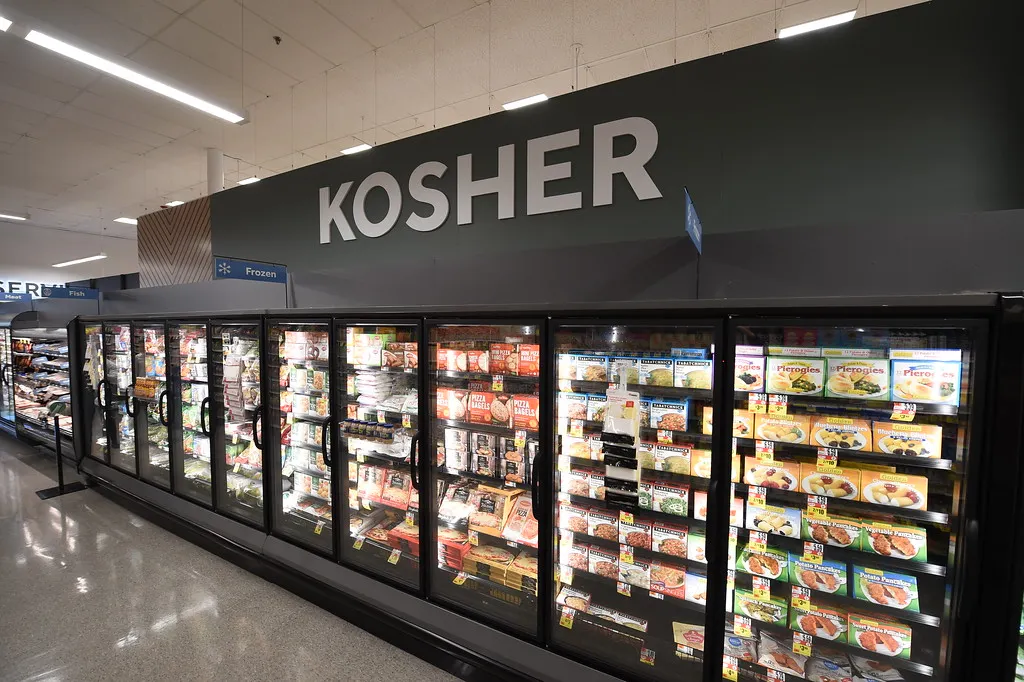
Taking a community-focused approach can help grocers curate a multicultural assortment that resonates with their shoppers.
“Retailers have for years and years and years talked about personalized, localized assortment. I think, as they really look to figure out how to optimize their shelf, recognizing with localized assortment where and when you want to have specific products represented for diverse communities becomes really important,” she said.
So while mainstream grocers like Kroger, Aldi and Walmart will likely never become primary destinations for international foods and products, they can show their customers that they “take the time to understand the nuances in [different] cultures” and create products that are “real solutions,” not proxies, Sheehan said.
Traditional chains with a nationwide footprint can also introduce international food products on a store-by-store or market-by-market basis to ensure that the global foods they’re offering match community needs, Sheehan said.
Tapping into AI capabilities and solutions can further their efforts to be intentional in expanding their multicultural assortments, experts said.
“[A]n international [grocery] concept has never been in a better place to be more successful” because of the AI tools now available to them, Sheehan said, adding that this technology can provide insights on local consumer demographics and help with assortment recommendations, she said.
AI can also help grocers stay ahead of consumers who are discovering products and recipes through AI channels, Jessie Wright, vice president of product intelligence at SPINS, said in an interview. She added that it is “imperative” for grocers and CPG players to use AI-driven insights to stay up-to-date on trending flavors, textures, innovations and sustainability practices as well as better match products to consumers.
The rise of multicultural grocery chains
In spring 2025, a Safeway in Rockville, Maryland, permanently shut its doors. While it’s unclear why the Albertsons banner decided to close this particular location, it’s been suggested by local news outlets that an incoming Wegmans less than half a mile away may have encouraged the banner to retreat. However, there is a grocer willing to compete for wallet share against Rockville’s new Wegmans store — Chinese-American supermarket chain Go Fresh 365.
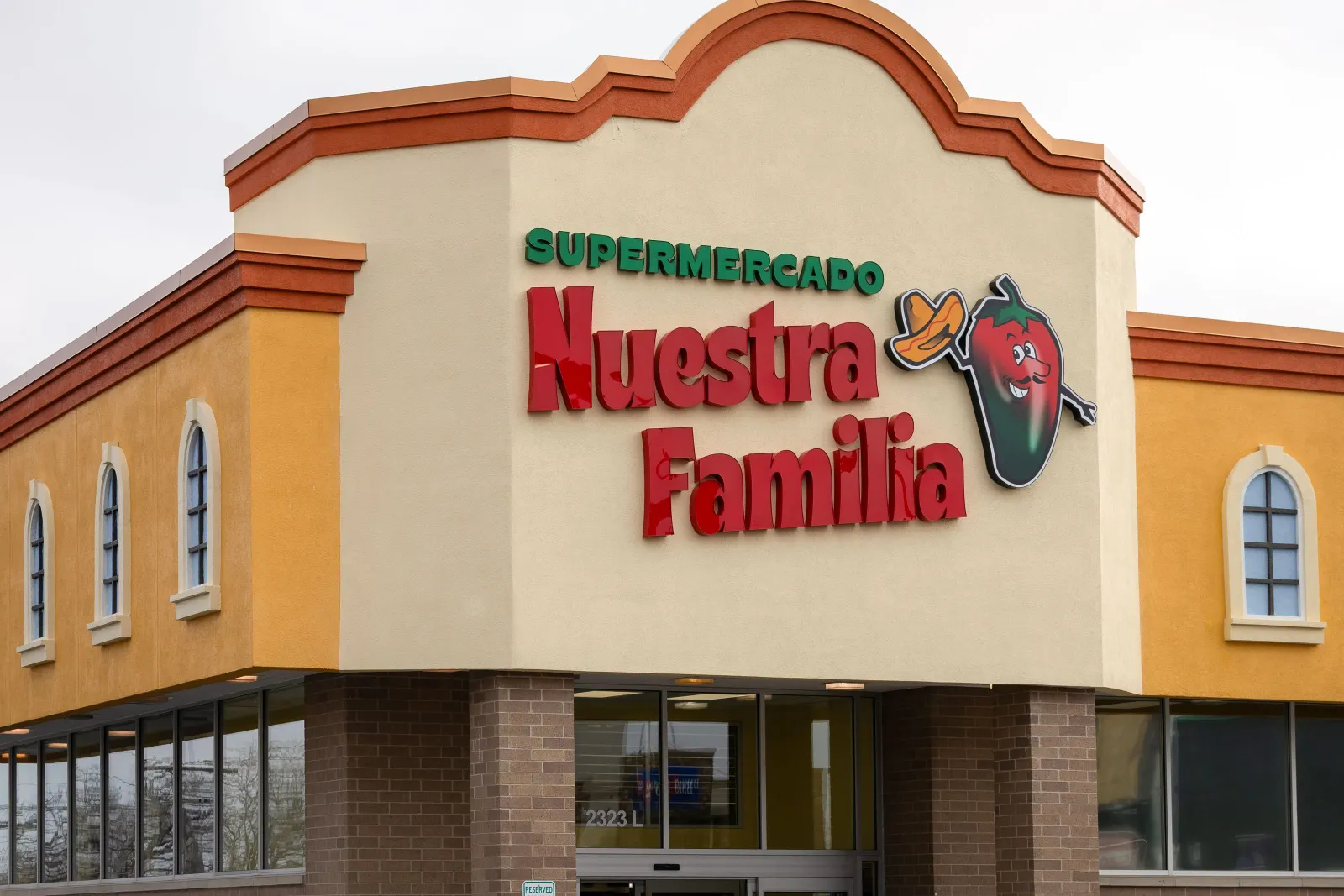
Go Fresh 365 setting up shop walking distance from a shiny new Wegmans is just the latest in an ongoing trend of multicultural grocery chains becoming a more prominent fixture in the grocery landscape. Canada-based Asian grocer T&T Supermarket, which made its U.S. debut at the end of 2024, has been rapidly expanding along the West Coast. SpartanNash plans to expand Supermarcado Nuestra Familia, its Hispanic-focused grocery banner, to a new state, and 99 Ranch opened a two-story grocery store-food hall hybrid location in New York City’s Queens borough. Plus, to kick off 2026, H-Mart announced plans to open a flagship store in the San Francisco Bay Area.
Consumers have long shown a willingness to visit multiple grocery stores to complete their weekly shopping trips. Now, experts anticipate grocers like Supermarcado Nuestra Familia and H-Mart will continue to grow into staples in shoppers’ rotations.
But to maintain their competitive advantage, these smaller and typically independently run grocers will need to make themselves more visible in the market. This includes ushering in new technology to make themselves more accessible to consumers as well as moving into new market areas, Sheehan said.
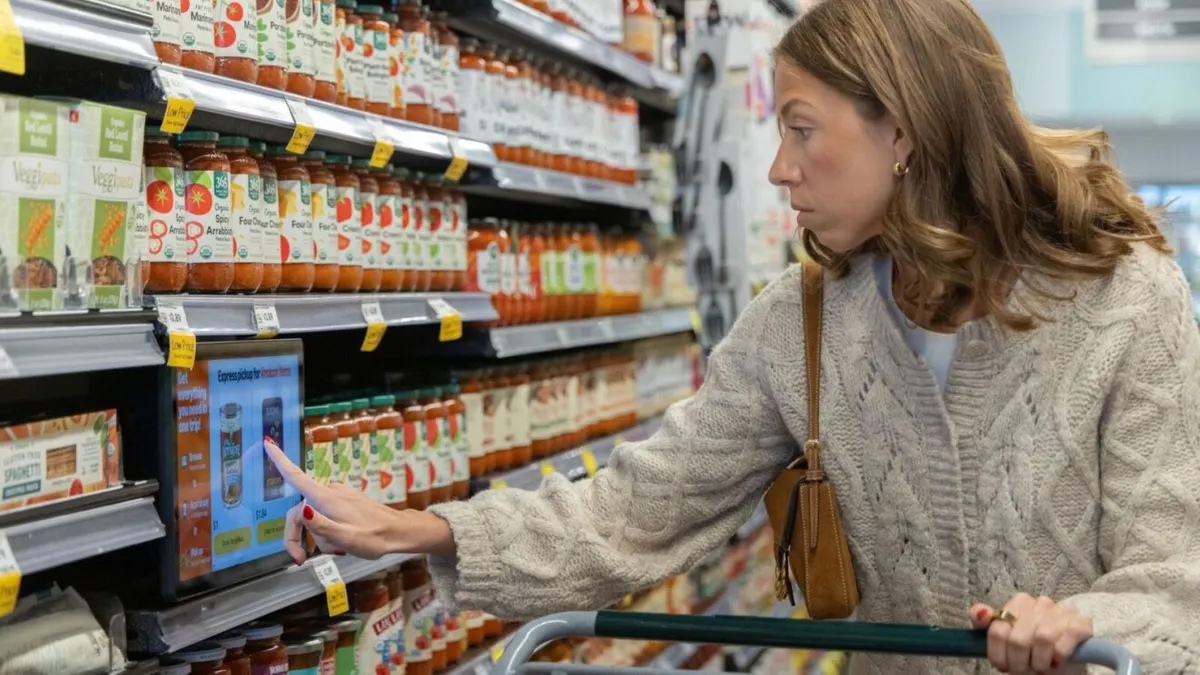
The technology some of these smaller, independent global grocers need to adopt, such as electronic shelf labels, is already commonly used by traditional grocers. And while it’s not groundbreaking technology, ESLs would enable these retailers to optimize pricing and join their traditional competitors in faster pricing practices, according to Sheehan.
Social media is another key way for these grocers to make themselves more visible to shoppers. Sheehan noted that social media marketing is one of the most effective ways to grab the attention of younger consumers who are already seeking out bolder and more diverse flavors. Plus, social media marketing is more cost-effective than traditional advertising practices, she said.
While it’s common for multicultural grocers to expand into markets that have a diverse community makeup, Sheehan noted that these retailers are also finding ways to move into unexpected markets like Alabama or Central Ohio. By diversifying their own assortment to include international goods beyond one region or culture, these retailers would be able to attract more mainstream consumers, she said.
Moving beyond 2026, Sheehan also anticipates some more established multicultural grocers to explore M&A opportunities with fellow international grocery chains in order to establish stores that offer a broader assortment of global flavors.
“One of the paths that’s going to really start to change things is [when shopping at international grocery stores] stops being a novelty and starts actually being a format that really is a path to growth,” Sheehan said.