Kroger’s new, permanent CEO gave investors a detailed account of the grocer’s standing during the company’s earnings call last week and outlined the areas it needs to address in order to improve its sales growth.
Greg Foran, who took on the top spot at Kroger last month after most recently serving as CEO of Air New Zealand, made an aviation analogy when describing how he views Kroger’s prospects.
“We've got to think about how we gradually take this Boeing 787 at 42,000 feet and just glide path it in and keep everyone on an even keel and land this plane safely,” he said. “But the objective is to do that and to win. We didn't come and invest in all this so that we can come in second.”
Foran and other top Kroger executives shared with investors the runway they see for the long-storied company, noting that e-commerce growth, investments in stores and pricing efforts are key areas that require the company’s attention.
Here are the top takeaways from the earnings call, which marked Foran’s first in the top role at the nation’s largest supermarket chain.
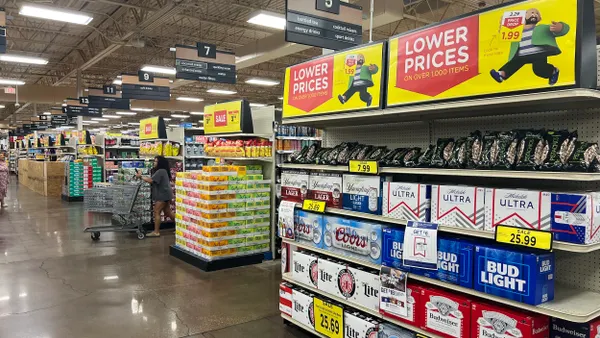
Lock in on price perception
Foran said he is intent on accelerating Kroger’s growth by ensuring that shoppers feel the company is focused on helping them save money.
“We need to grow sales faster, and in my experience, that comes down to giving customers a compelling reason to shop with you by offering great value, great products, and a great experience,” he said. “Price is an important part of that equation. Customers need to trust that they're getting a fair deal every time they walk into our stores.”
Ron Sargent, who served as interim CEO ahead of Foran’s arrival, said the company lowered prices on thousands of items in 2025.
“Customer price perception improved across the company [and] we maintained our competitive positioning against our major competitors,” he said.
Kroger expects to put more investments toward everyday value and promotions than it did in 2025, CFO David Kennerley said. The grocer does not intend to try to always offer the lowest prices because the company believes it provides shoppers with an experience they can’t find elsewhere, Foran noted.
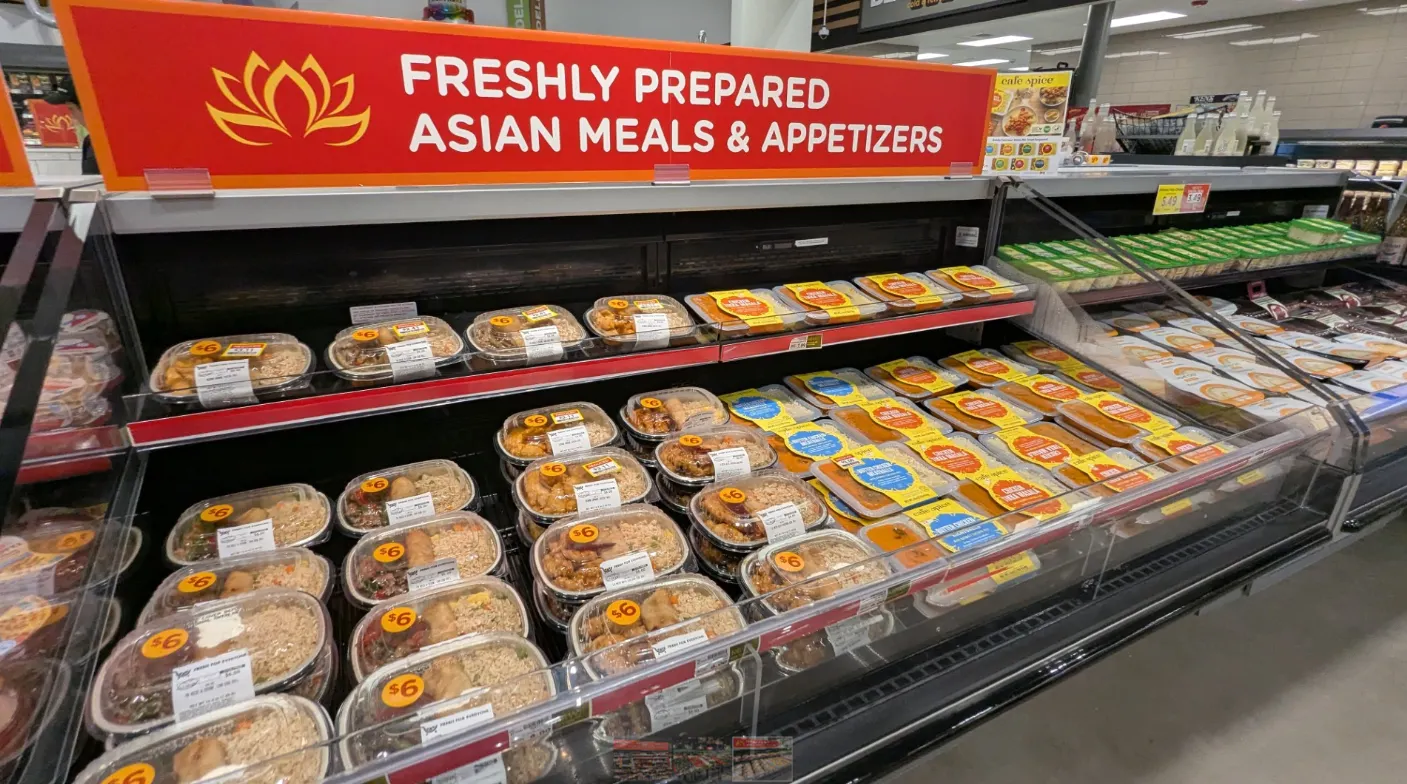
“They can go to a really low price discounter, not get quite as much assortment, maybe not get as good a fresh [experience], or they can go to Kroger or a Kroger banner, they're going to get a better experience,” Foran said. “For them, that will represent better value because we are affordable.”
Foran said it’s important to understand how consumers perceive the overall shopping experience: “The customer works out what the value equation is, and our job is to make sure that we deliver that.”
Deliver on e-commerce momentum
Foran said during the call that he is pleased with the progress Kroger has made over the past year on its digital operations, which have turned in seven straight quarters of double-digit growth en route to becoming a $16 billion business.
Kroger’s growing efforts to use its stores to handle order fulfillment are especially promising, in part because e-commerce is closely linked to retail media, Foran said.
“Our media business is closely tied to this e-commerce momentum,” he said. “We have the data, we have the customer relationships, and we have the platform. E-commerce grows and our digital capabilities expand, we see a long runway to accelerate growth. My goal is to do all of this while protecting our margins.”
Kroger expects its digital sales will turn a profit during the first half of 2026, tightening a timeframe Sargent provided during the company’s third-quarter earnings call in December.
The expanded partnerships Kroger announced last year with third-party e-commerce companies including DoorDash and Uber Eats have yielded results that have so far exceeded the company’s expectations, Sargent said. Kroger expects its convenience offerings, which it runs with Instacart, to generate more than $1.5 billion in sales in 2026, he added.
The relationships have “extended our reach to customers and shopping occasions we wouldn't otherwise capture. They are incremental, and they are profitable,” he said.
Fulfilling more orders from stores and tapping third-party delivery partners will help the grocer lower its e-commerce costs, Kennerley said.
Step up in private label
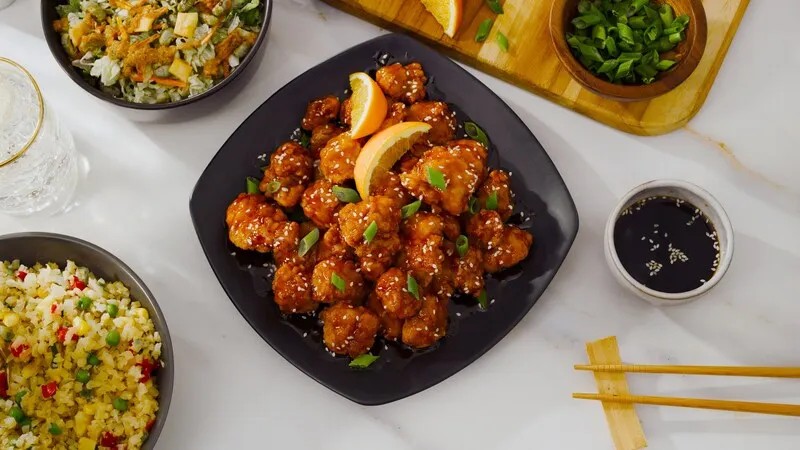
Kroger introduced more than 1,100 private label products in fiscal year 2025, up from approximately 900 new releases during the previous year, Sargent said. Many of the new products are focused on health, an area where the retailer is seeing growing customer demand, he noted.
Sargent said that the company’s Simple Truth and Private Selection brands led its private label growth during the fourth quarter. He added that Kroger sees its own brands business as a key competitive advantage.
“[T]his is not a zero-sum game. At Kroger, we're playing to our strengths, whether it's fresh categories or Our Brands or deep first-party data,” he said.
Establish a new team focused on speed
Kroger has created a new unit designed to make the company more nimble, Kennerley said during the call.
The group, known as the Kroger Global Capability Center, will “streamline decision-making, improve productivity and increase the speed at which we execute on behalf of our customers. It complements the work already underway across the organization to modernize how we operate,” Kennerley said.
Kroger expects to see “modest benefits” from the new center this year, with more significant results in 2027 and 2028, Kennerley said.
Invest in stores
Kroger plans to devote between $3.8 billion and $4 billion on capital expenditures in 2026 and plans to channel a large portion of that money into expanding and upgrading its fleet of stores, Kennerley said.
“As part of our new store strategy, we're also testing different formats and bringing fresh thinking to the in-store experience,” Kennerley said. “That means evaluating new concepts, making sure every element of the store is relevant, productive and aligned with how customers want to shop today.”
Kroger “spent a lot of time … making sure that we’re prioritizing investments in the right areas,” he said, noting that new stores and remodels are the main priorities.
In 2025, Kroger completed 29 major store projects and expects to increase new store openings by 30% in 2026, Sargent said, noting that the grocer aims to expand into two new regions. This store expansion drive follows Kroger’s decision last year to close roughly 60 underperforming stores.
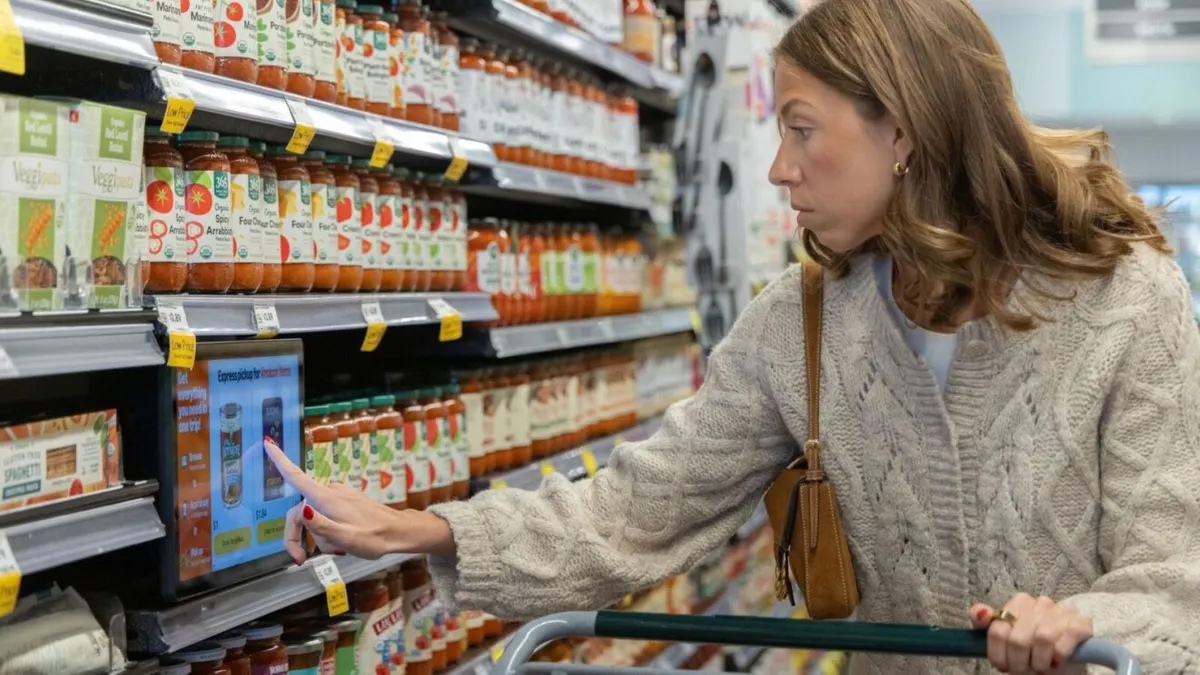
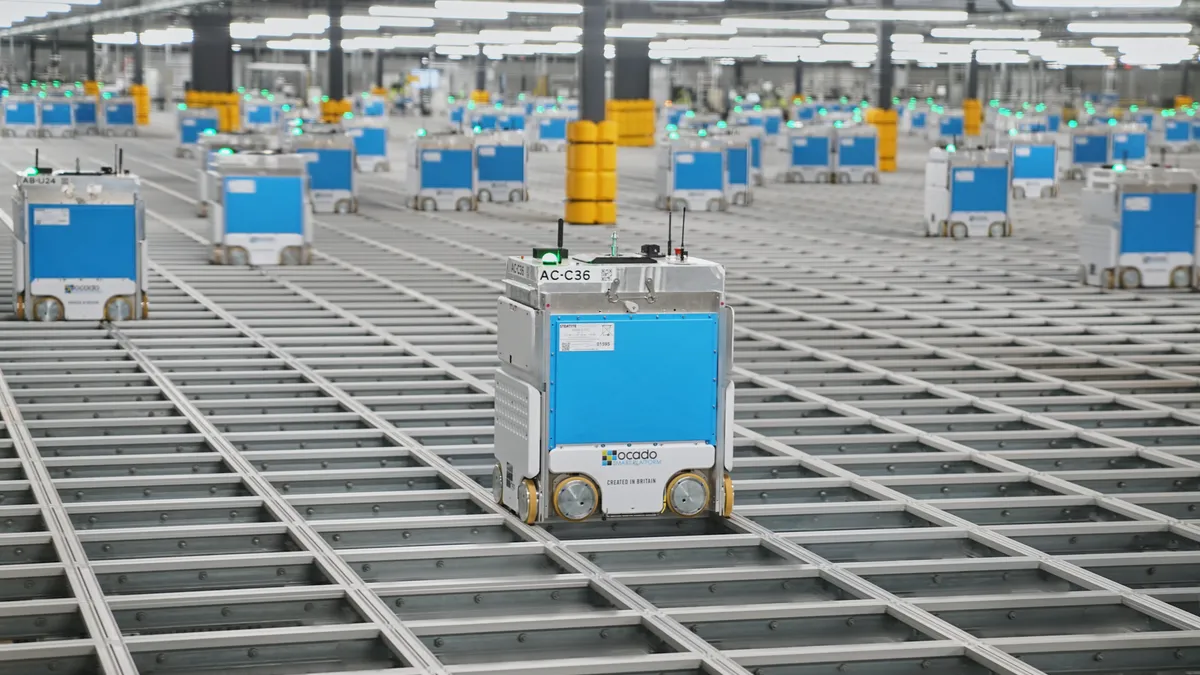
Along with the store investments, Kroger plans to invest in technology, artificial intelligence and supply chain modernization this year. Specifically, Kroger plans to expand an agentic AI shopping tool to more divisions to help customers discover items, build baskets, plan meals and stay on budget, executives noted. On the supply chain front, the grocer is looking to add more automation and expand capacity, Kennerley said.
“Kroger has tremendous strengths to build on,” Foran said.