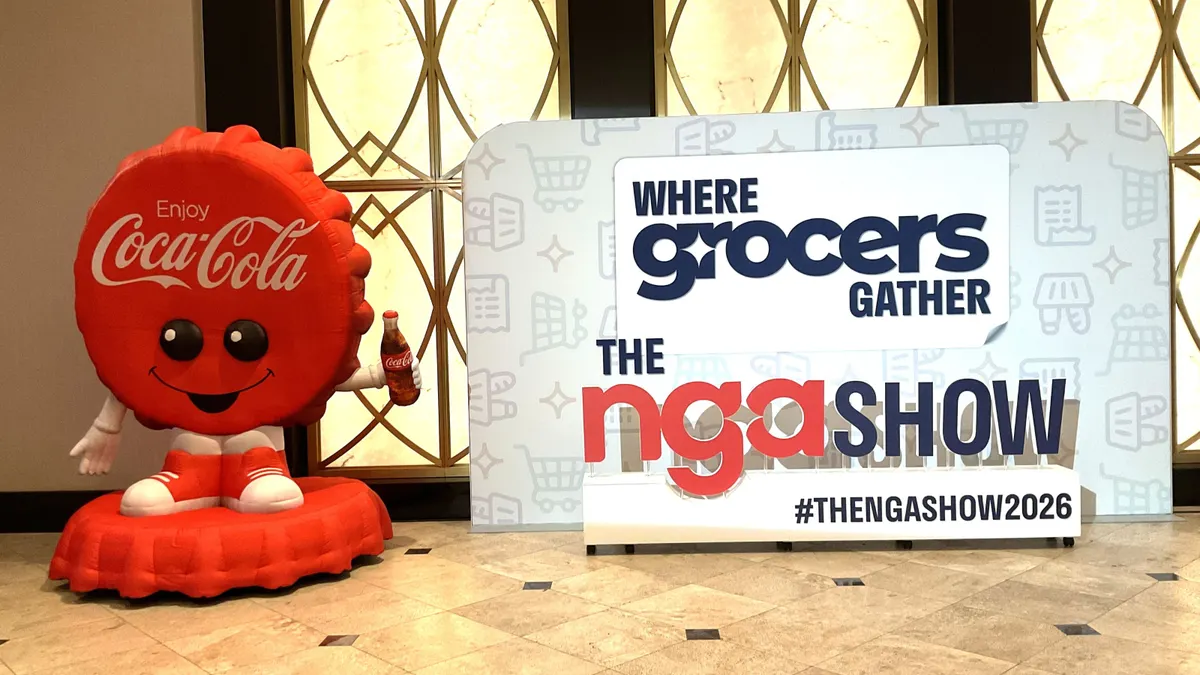
LAS VEGAS — As independent grocers devise strategies to stand out from national retailers armed with multibillion-dollar capital budgets, they face a growing need to ensure that technology plays a central role, panelists said Sunday during the National Grocers Association’s annual conference.
In particular, smaller retailers shouldn’t assume that the community ties and other traditional strengths that have long helped them draw in shoppers will sustain them at a time when artificial intelligence and robotics are quickly rewriting the rules of commerce, experts said at The NGA Show.
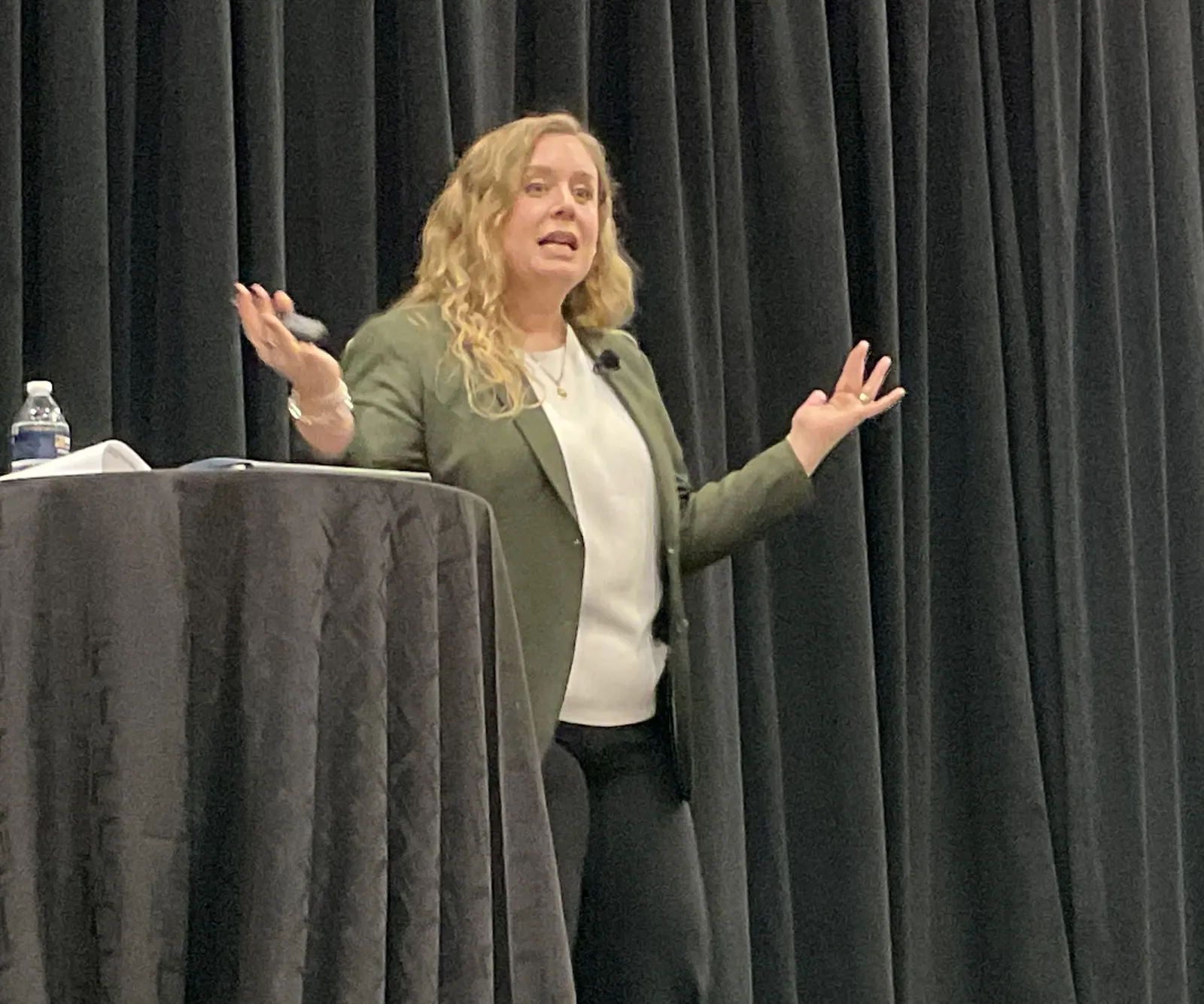
“As you’re thinking about technology and the evolution of how shoppers interact with technology, don’t make [the] mistake of saying, ‘Not my shopper, never in my community,’” said Amy McClellan, chief commercial officer of SpartanNash, which supplies groceries to independent retailers. “No matter how successful your differentiated offering is, have a roadmap” that lays out how to use technology.
Independent grocers benefit from working with partners that can help them access technology they might otherwise not be able to use, said Justin Luther, president of County Fair Food Stores, which operates several grocery stores in South Dakota and Nebraska. In addition, adding tech-based capabilities can help retailers improve the promotions they get from suppliers.
“We need them to be able to collaborate and bring different ideas, different deals, different things that we can’t get our hands on,” Luther said about CPGs. “When you say ‘We have [a] solution … all of a sudden there's another relationship, there’s another collaboration, and now we’re seeing different deals. We're seeing people get excited about what we're doing.”
One way for smaller retailers to maintain a competitive edge is to embrace online platforms that use quantum computing technology to tackle problems from multiple points of view at once, said Alex Jackson, vice president of sales and marketing for Frieda's Branded Produce.
Grocers can access quantum computing services from companies like IBM online for a fee, and they can use generative AI platforms such as ChatGPT, said Jackson, who described a program she participated in at the University of Southern California’s Marshall School of Business where she learned about ways smaller retailers and suppliers can deploy quantum computing to speed up operations.
“The quantum race has started, and in our industry, it's not about who’s going to use quantum, it’s who’s going to jump on it faster,” said Jackson.
Thom Blischok, Chairman and CEO of Dialogic, a consulting firm that advises independent grocers, said smaller retailers should employ technology that enables their employees to spend more time building connections with customers. Following that type of strategy will allow them to focus on the personal connections with customers that larger retailers don’t prioritize, he said, noting that systems that can help retailers lower the cost of serving shoppers and refine their assortments are especially useful.
“Strengthen your relationship with every single shopper. Redirect the associates from just stocking shelves to serving the customer. Greet every customer coming to the store. Make people feel special when they walk in the store,” Blischok said, referring to smaller retailers.