Artificial intelligence poses a vast number of potential use cases for food retailers, and independent grocers have a limited ability to capitalize on them. But one Utah supermarket chain feels confident that it’s found a winning strategy that’s replicable for other retailers.
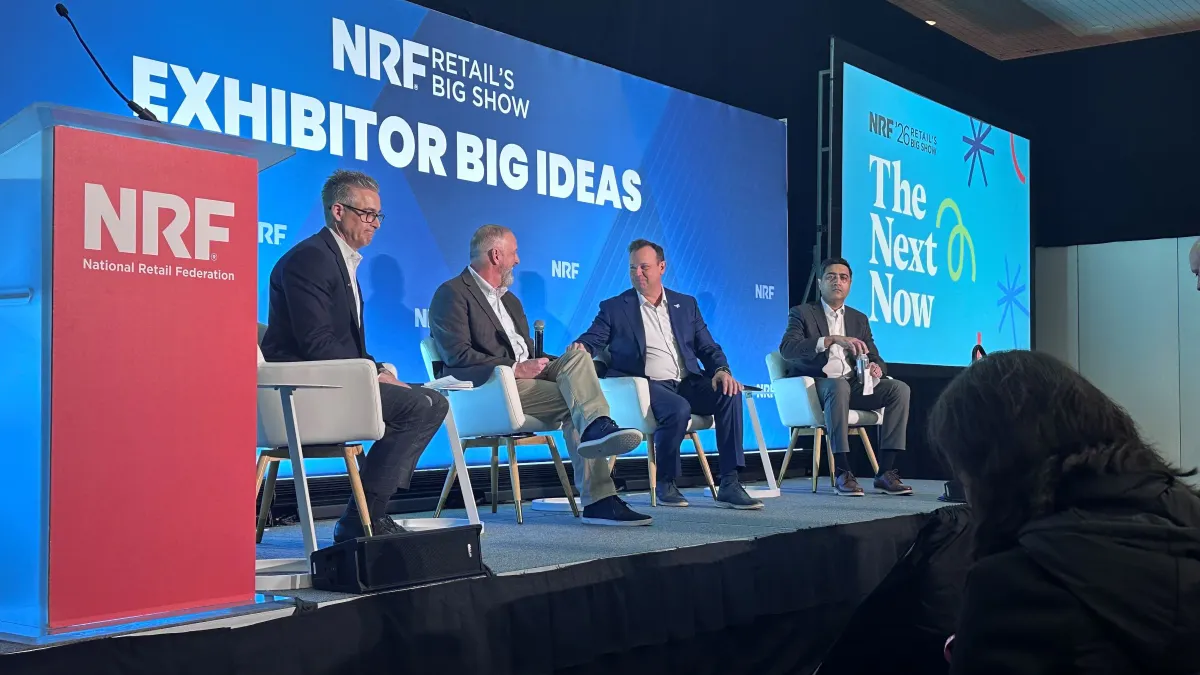
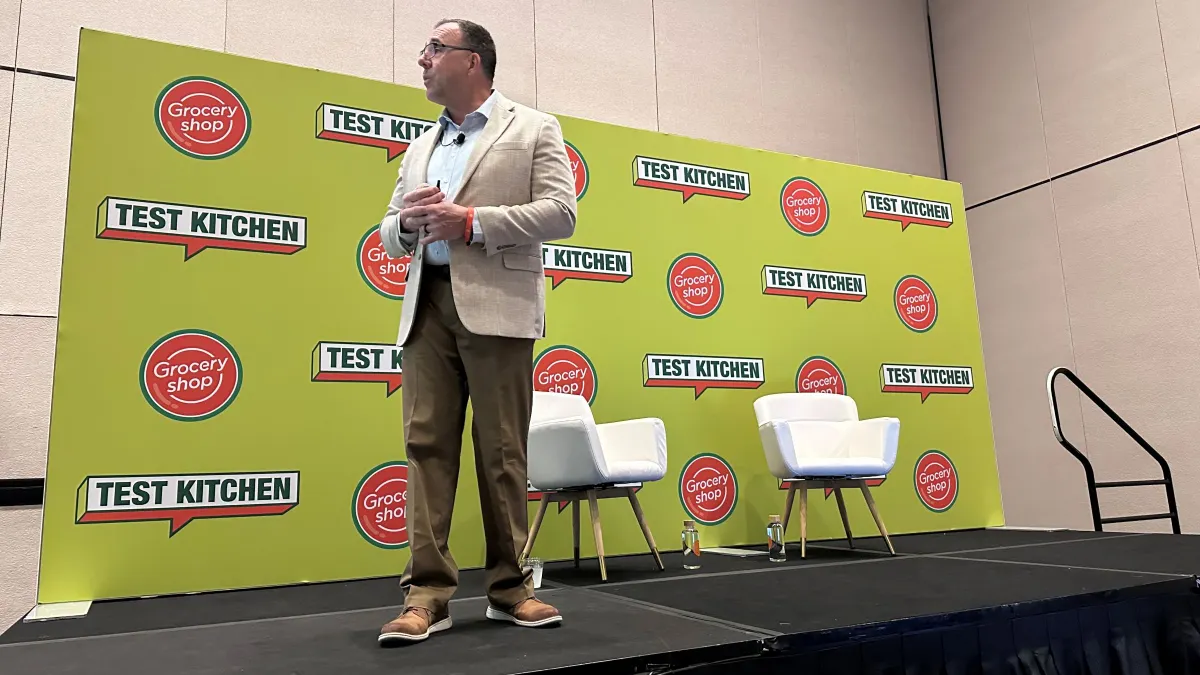
Harmons Grocery CIO Bruce Hatch shared at a session at Groceryshop this past October what he has found to be the best practices for implementing AI capabilities as an independent grocer.
“It could be the best AI solution in the world, but we don’t want an island that we’re dealing with. We want a piece of the puzzle that fits, because we’ve got to figure out how to budget for this and make it work within our environment,” Hatch said.
From gaining employee trust to staying true to their brand, here’s a rundown of how independent grocers can best introduce AI to their store operations, according to Harmons.
1. Don’t let AI impact “personal touch”
Like many independent grocers, Harmons, which runs 20 stores and a flower shop, aims to foster a personable in-store experience. Hatch described Harmons’ stores as a “very active beehive environment,” with hands-on staffers who can provide expert insight on department offerings, like cheese.
“We do not want to replace that,” he said.
While there are plenty of ways for AI to cut labor costs, nearly all of Hatch’s recommendations focus on improving employees’ jobs — such as freeing them up from inventory tasks or giving them faster, more accurate solutions about what’s in stock.
“Our guiding principle with AI is ‘AI augments people, not replaces,’” Hatch said. “We are going to replace people, but we don’t want that to be our driving force. We want to make sure that we give people a better quality of life, a better work experience through these tools and enhance their abilities using them first.”
2. Be upfront with employees
Employees are either “amazingly beneficial” or “a real blocker” when trying to introduce and move forward with new AI systems, so it’s important to Harmons that the grocer gets its workers on board, Hatch said.
Running pilots is one of the most crucial steps Harmons is taking right now to ensure its workers feel supported as AI is introduced, Hatch said. Pilots give employees the opportunity to play with the technology, give feedback and offer recommendations. After one group of employees becomes comfortable with the technology, they can “champion it to the next group… and it creates just an amazing synergy,” Hatch said.
Harmons saw this approach work when it introduced Simbe’s inventory-scanning Tally robots to locations.
“When we started this process, we had people that were concerned about their jobs because of the robots, but they didn’t like doing their jobs… so we talked to them and explained that they are going to still be needed,” he said.
3. Close skill gaps with AI tech
When it comes to rolling out training programs surrounding new AI tech, Hatch warns against showing long, detailed videos. Instead, grocers should explore micro learning, he said, which includes training videos that are only one to five minutes long.
This training approach aims to better match workers’ behavior and to have them learn in a way that’s comfortable and easier to understand.
“We’re hoping that that’s much more effective than just sitting and grinding it out for 45 minutes,” he said.
It’s also important that training in new AI tech is set up in a way that lets workers be retrained and reskilled, as this further helps close the knowledge gap and ensures the technology is both understood and used every day.
4. Carefully choose vendors
Success is not about selecting the world’s best AI solution, but finding one that fits the grocer’s budget and environment, Hatch said.
Many vendors aren’t familiar with the grocery industry or how stores operate, and this often leads to vendors not knowing how to price their systems, Hatch said.
While many vendors “think their solution is going to change the world,” Hatch cautioned that it’s crucial for grocers, especially smaller, independent ones, to be able to pinpoint the value of an AI solution, what they’re being charged and, most importantly, which expenses the technology replaces. This ensures that a grocer is using 100% of the solution they paid for and getting full use of the vendor’s technology stack, he said.
A vendor red flag, Hatch noted, is when the company doesn’t want to run pilots. He added that pilots are critical in determining whether or not the solution is actually going to work for a grocer’s store format.
5. Protect personal data
Independent grocers are often staples in their communities with an established trust between grocer, shopper and staffer that is vital to maintain. Welcoming a technology vendor and assessing data quality as an independent grocer means ensuring the proper guardrails are in place around employee and customer information.
Hatch suggested that fellow independents pay close attention to the balance between ensuring employees can access AI capabilities and data insights necessary to do their job while protecting the content that AI produces.
“We are a local grocer, so these are our family, our friends, our associates,” Hatch said. “These are people that we interact with, not only for business, but personally, so we want to make sure we’re taking care of that.”