Pardon the Disruption is a column that looks at the forces shaping food retail.
In case you haven’t noticed, I’m an innovation guy. I love to learn about, report on and analyze big ideas in an industry that is slowly but surely embracing new technology and cutting-edge concepts.
This year, however, was not an innovative year in grocery. It was a year of focusing on the basics. A year during which grocers looked to excel at the sort of block-and-tackling work that won’t win them any glowing cover stories or major plaudits from retail analysts, but that will effectively move frozen meals, fresh fruit and so many other goods onto their shelves and into consumers’ shopping carts.
The reasons for this focus on efficiency over razzle-dazzle are well known to industry professionals. Millions of consumers hammered by the high cost of living are looking for low prices, not slick new apps. The cost of business continues to rise, making it tough for retailers to justify pricey experiments. And the Trump administration’s unpredictable behavior on tariffs and SNAP funding contributed to a decidedly conservative mindset, operationally speaking, for retailers.
Still, grocers have rolled out several interesting developments in their drive toward leaner operations and stronger execution. I’m fascinated, as are many of our readers, by Kroger’s renewed focus on its stores. Its preoccupation with e-commerce fulfillment centers and an Albertsons mega-merger definitely cost it valuable time and money, but a promising Marketplace format and a new CEO could put the wind back in its sales starting next year.
While innovation may have been difficult for most chains and independent retailers in 2025, the industry’s biggest players saw an opportunity to step on the gas. As other grocers cautiously advanced in e-commerce, Amazon moved at breakneck speed with its rollout of a nationwide same-day delivery service for perishables. Walmart, ever the industry juggernaut, also made numerous eye-grabbing updates, including the addition of shopping via generative AI.
All in all, 2025 was a year that tested the grocery industry in ways that were both predictable and unexpected. Here are my top trends from the past 12 months.
Consumers showed resilience — but that may not last
Despite their uneasiness with tariffs and continued fatigue with the high cost of living, shoppers did not make a mass exodus from their neighborhood grocery stores to the discount retailer down the street.
Supermarket chains Kroger and Albertsons reported solid sales and consumer traffic, while specialty retailers like Sprouts Farmers Market also kept up their strong momentum.
I give credit to grocers for knowing how to make shoppers feel like they’re getting a deal. Tried-and-true promotions like red-tag sales and BOGO offers, along with strategic adjustments to loyalty programs, are keeping customers inside their preferred stores. Deep investments in private label are also clearly paying off in this environment.
But next year is shaping up to be a different story. Healthcare subsidies are set to expire for millions of consumers, job growth has been anemic and companies that have held back on passing along tariff costs have said they no longer plan to do so. This all threatens to drive up the cost of living even further, causing more people to trade down to value retailers.
It was a big, chaotic year for distributors
Two of the nation’s largest distributors had a big year for very different reasons.
In early June, UNFI fell victim to a cyberattack that disrupted its operations and caused outages at grocery stores across the country. The company eventually recovered, but the episode serves as a stark reminder of just how reliant grocers are on major distributors — and just how fragile the nation’s supply chain network is.
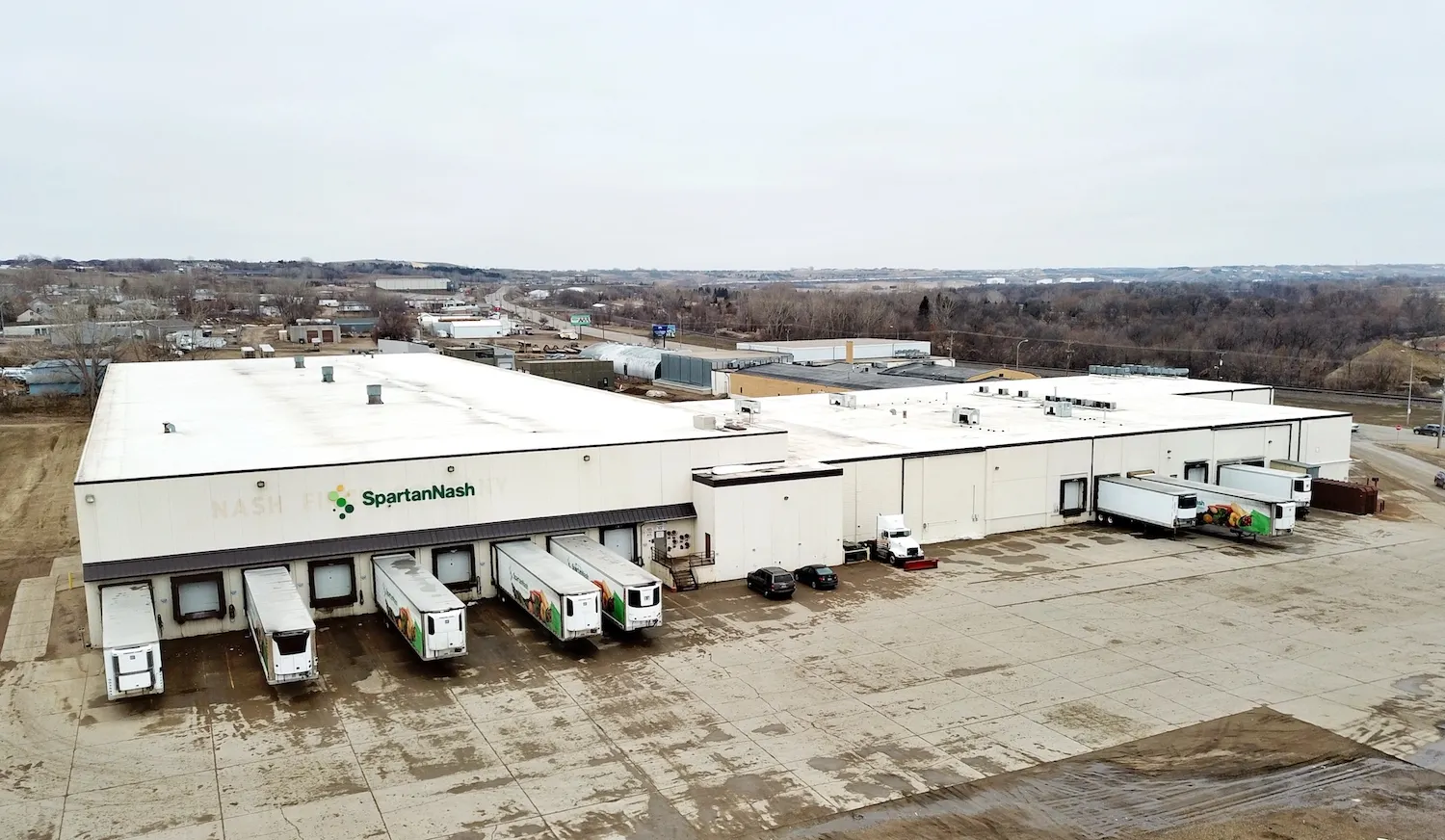
UNFI’s biggest competitor, on the other hand, had a much better 2025. After losing out in its bid for stores part of the Kroger-Albertsons merger, C&S Wholesale Grocers scored big when it acquired fellow distributor and retailer SpartanNash for $1.77 billion. The deal makes C&S, which was mainly a coastal distributor before the deal, a true nationwide competitor to UNFI.
As UNFI gets back on track and C&S integrates its operations with SpartanNash, the grocery industry faces a future where two major distributors will be duking it out for their business.
Kroger refocuses on its stores
This was the year when Kroger decided to get back to basics. After its merger with Albertsons failed in late 2024, the grocer needed to focus on operations as it plotted its road ahead as a standalone company.
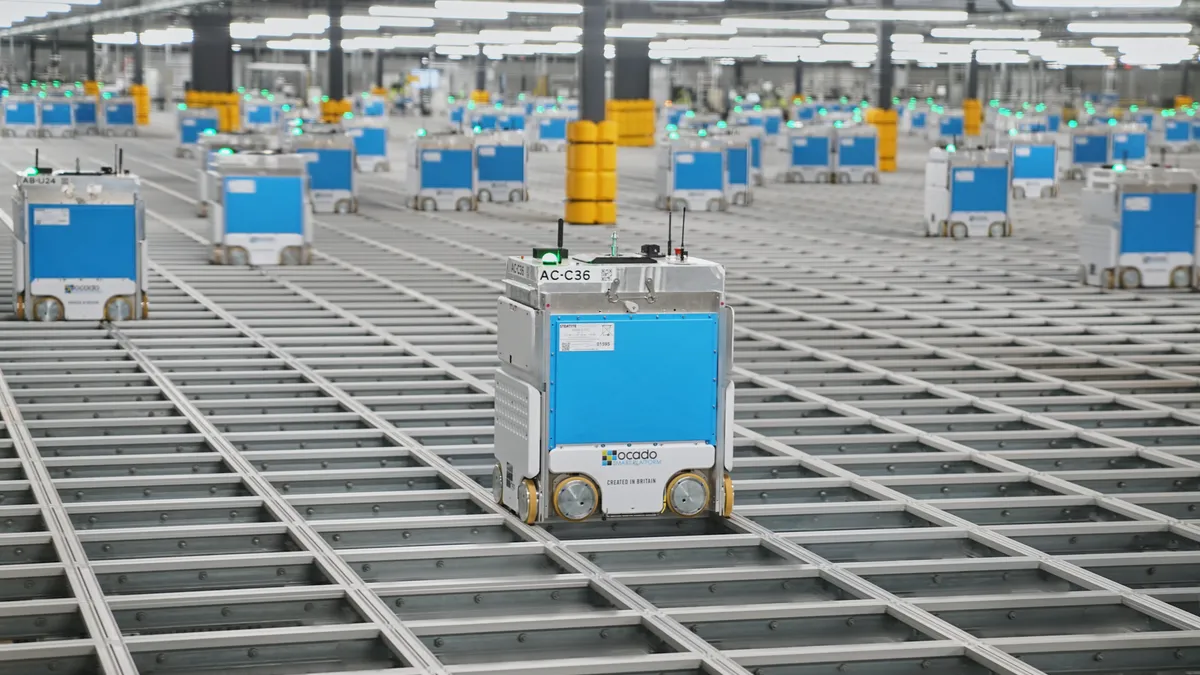
After a two-year pause on meaningfully cutting expenses, store closures and layoffs were inevitable. But the company, under interim CEO Ron Sargent, went even further, scaling back its automated e-commerce distribution network that had lost its shine as digital growth moderated and shoppers streamed back into stores following the COVID-19 pandemic.
It wasn’t all cutting and slashing at Kroger in 2025. The company played offense with promotions and ramped up development of its large-scale Marketplace format, which the company seems to think is effective at battling super regional competitors like H-E-B and Publix.
Kroger is in a tenuous position right now after spending years chasing big bets that haven’t paid off. Whoever the company’s next CEO is (an announcement is expected in Q1 next year) will have the incredibly difficult task of keeping the company operationally disciplined but still able to innovate and perhaps take moonshots that actually pay off.
The Trump administration kept retailers guessing
Grocers already have their hands full dealing with fast-changing competitors and consumer preferences. They don’t need the federal government to join that fray.
Yet that’s exactly what happened this year as the Trump administration enforced wide-ranging tariffs and changes to the SNAP program that kept retailers on their toes.
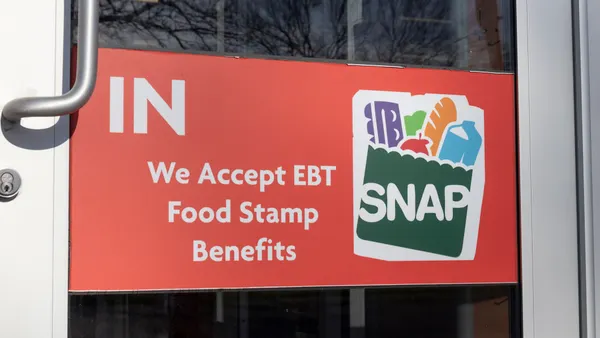
The SNAP program is typically a reliable source of income for grocers. But for the first time ever, the program’s funding lapsed during the government shutdown this fall. The legal battles that followed over how to fund SNAP indicate that the program could again become a political pawn amid dysfunction in Washington, D.C.
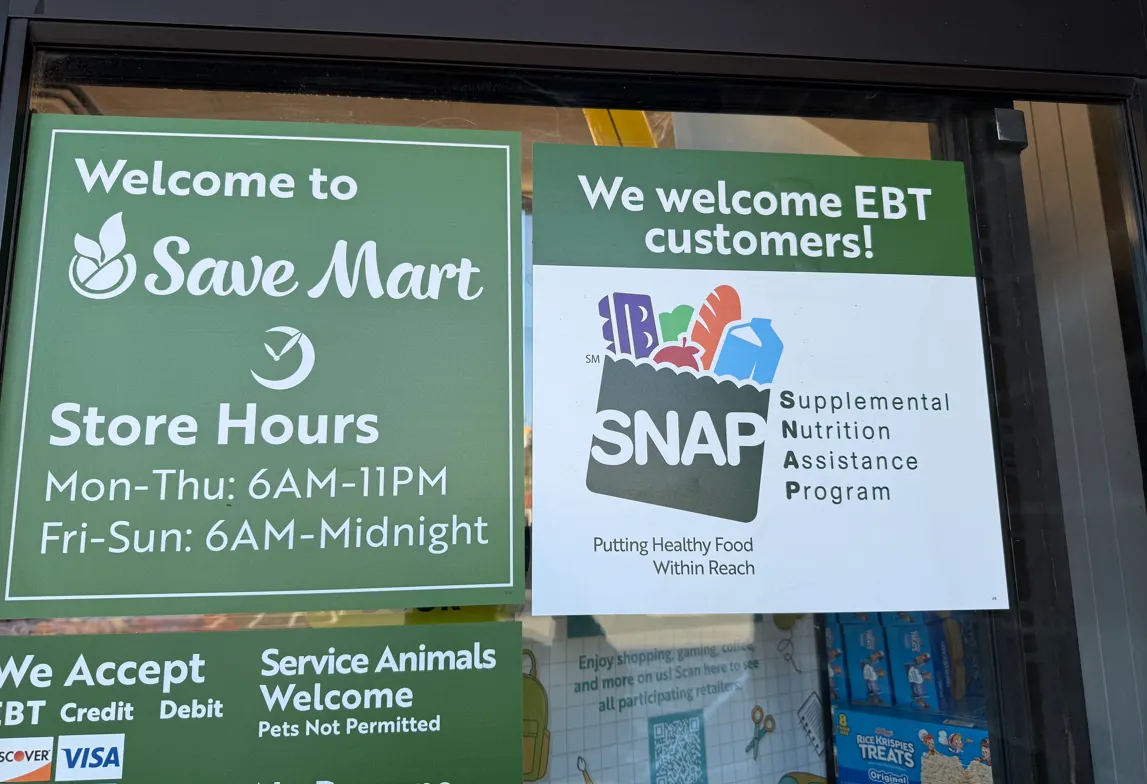
That wasn’t all for SNAP, though. Grocers will start to feel the impacts in 2026 from tightened eligibility requirements for the program and 18 states have received waivers to ban certain products from being purchased with SNAP funds.
Because they rely mostly on domestic suppliers, grocers didn’t face significant cost pressures from tariffs. And the administration has created carve-outs for products like coffee and beef imported from Brazil and other countries.
Still, the chaos was an unwelcome headache for grocers that rely on predictability and are already facing so many other challenges.
Regional grocery is where the M&A action is
While the country’s two largest supermarket chains weren’t able to complete their merger, regional grocers have been quite busy — and successful — in recent years in making acquisitions. That momentum continued this year.
The 1939 Group, Inc., a newly formed holding company controlled by the family that runs Schnuck Markets, acquired 51 stores by buying Skogen’s Festival Foods and Hometown Grocers, expanding its reach into Wisconsin. The holding company will oversee the three grocery chains.
This approach is one we’re increasingly seeing from regional grocers. Raley’s did it when it acquired Bashas in 2021, while Price Chopper/Market 32 and Tops Markets created Northeast Grocery Inc. as part of their merger that same year. I think of this as the Ahold Delhaize model: A central company oversees a few banners and serves as the brains of the operation, helping to innovate and pool resources.
This approach also sets these companies up for additional acquisitions. As regional grocers look to stay competitive with larger players, this is a model for scaling effectively and staying nimble.
Does Amazon really need those stores?
It’s beating a dead horse at this point to say that Amazon’s grocery store chain is a dud. Five years since it debuted, Amazon Fresh has shown nothing that would cause the rest of the industry to consider it a threat.
But Amazon as a whole still remains dangerous, as it reminded the grocery industry this year by digging deeper into what it does best: e-commerce. It quickly scaled same-day grocery delivery that allows shoppers to add fresh goods to their non-grocery orders. That service is now available in 2,300 markets and means that those of you who have always wanted to order a nose hair trimmer with a head of lettuce can now get your wish.
Amazon also started piloting a quick-delivery service that can deliver groceries to customers in as little as 30 minutes. So while other grocers have tapped the brakes on e-commerce innovation, Amazon is making online shopping faster and more widely available.
It was, all told, a good year for Amazon in grocery. But what to do with those nearly 60 Amazon Fresh stores? I suspect that Amazon sees an opportunity ahead to draw in price-sensitive shoppers with low prices. It’s also continuing to probe tech innovations. Recently, the company began testing an automated micro-fulfillment center inside a Whole Foods Market store that lets shoppers top up with conventional products.
If store-based automated fulfillment works out, it could help boost the assortment and e-commerce throughput at Amazon Fresh stores. It would also provide some differentiation for a chain that badly needs it.