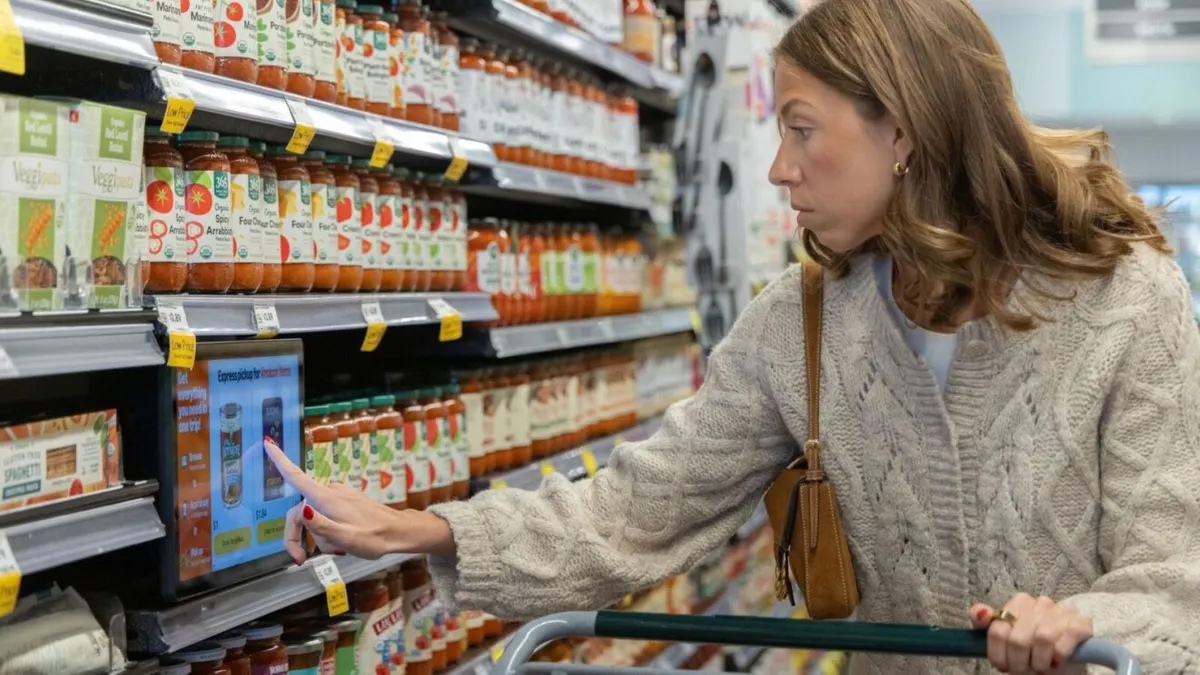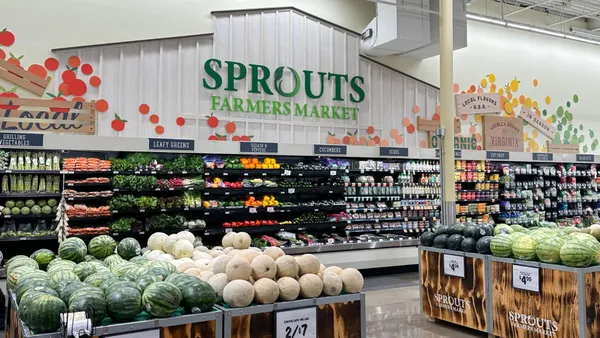
Consumers don’t only see grocery shopping as an errand — they also look to their local grocer as a destination to help meet their health and wellness goals.
Food industry companies have made significant strides in recent years in this area, with nearly all having established strategies in place to support customers’ health priorities, according to FMI — The Food Industry Association’s recent health and well-being report, which incorporated findings from a survey that included food retailers representing more than 9,000 stores.
As health, wellness and nutrition continue to grow in importance, here are three numbers from the report that show where retailers are prioritizing their investments.
96%
The percentage of food industry companies that have established nutrition, health and well-being strategies.
Nearly all survey respondents operate an established health and wellness strategy — a “sharp advance from the research two years ago,” FMI said. The report added that respondents are no longer emphasizing challenges in describing their nutrition, health and well-being strategies, having previously cited time, competing priorities, financial resources and communicating across departments as key constraints.
Nearly all (94%) of food retailer respondents said their stores have health and well-being activities in place for customers and employees, FMI reported.
“Many shoppers view food retailers as partners in supporting their health. Many suppliers collaborate with retailers to help advance health and well-being efforts,” FMI said.
79%
Percentage of survey respondents who said nutrition leaders are responsible for evaluating and deciding health and wellness opportunities.
The term “nutrition leaders” primarily refers to registered dietitian nutritionists. As food retailers continue to further integrate selling food with an effort to improve consumer health, staff dietitians have emerged as strategic leaders for these companies, per the report.
Other key players overseeing health and wellness initiatives include health and well-being leadership (63%), pharmacy leadership (50%), president/CEO/marketing leadership (38%) and human resources leadership (21%). FMI noted that pharmacy leadership’s importance and decision-making authority have also risen.
60%
Percentage of food industry companies that accept healthy benefits cards provided by insurance companies.
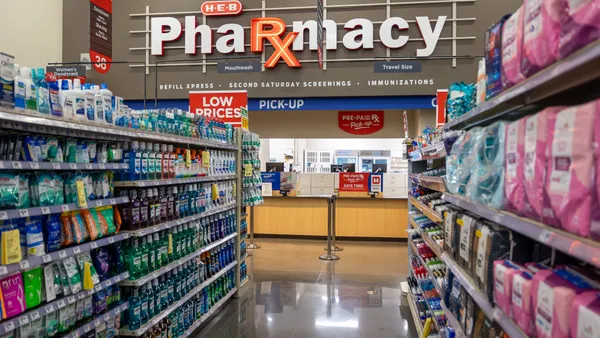
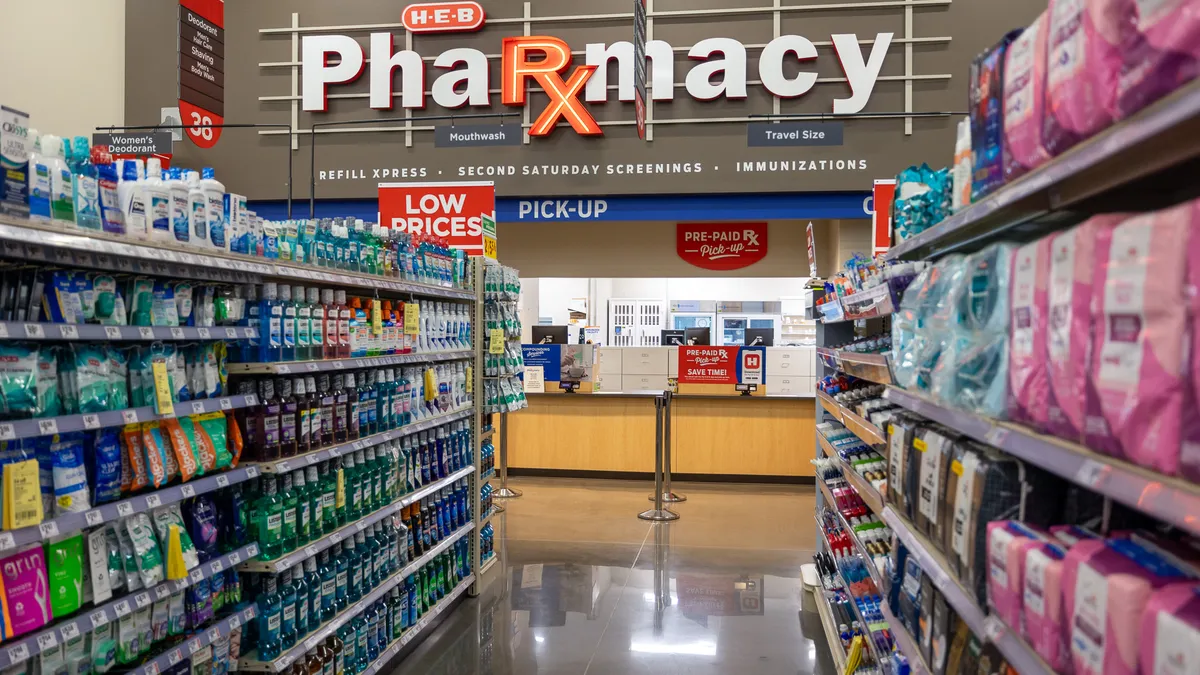
The biggest area of focus for the healthy benefits cards is pharmacy purchases, underscoring that grocers need to continue to find ways to link their food retail and pharmacy offerings — especially as consumer GLP-1 usage rises.
According to FMI’s report, 75% of food industry companies accept healthy benefits cards for pharmacy items, like over-the-counter medications, from an approved product list.