Tired of watching shoppers brazenly steal merchandise from the Hispanic grocery retailer where he is general manager and director of operations — and getting little help from the police — Luis Moreno turned to facial recognition to try to keep thieves out of his stores.
“We had the problem that people would just go in there and fill up their shopping cart with, you name it, Tide, baby formula, items that they can resell on the black market, and then just basically felt entitled to them,” said Moreno, whose chain, Fiesta Foods, operates three stores in Washington state.
The system the company installed, supplied by RealNetworks and called SAFR Guard, immediately turned out to be an effective deterrent, enabling Fiesta Foods to dramatically cut down on shrink, Moreno said Monday during a panel session at the National Grocers Association’s annual conference in Las Vegas.
“We were able to upload pictures that we had in a binder and put them in the system [and when] they were doing the installation, there [were] people walking in that we were like, ‘Hey, that’s a repetitive offender,’” said Moreno.
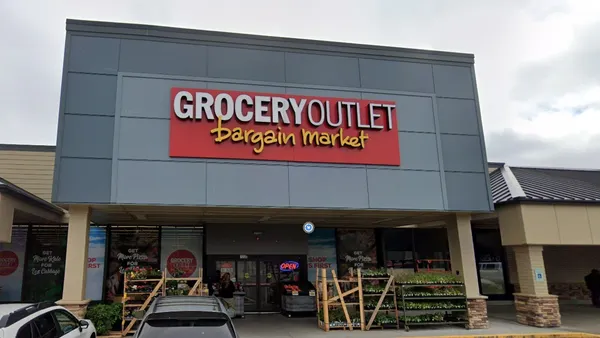
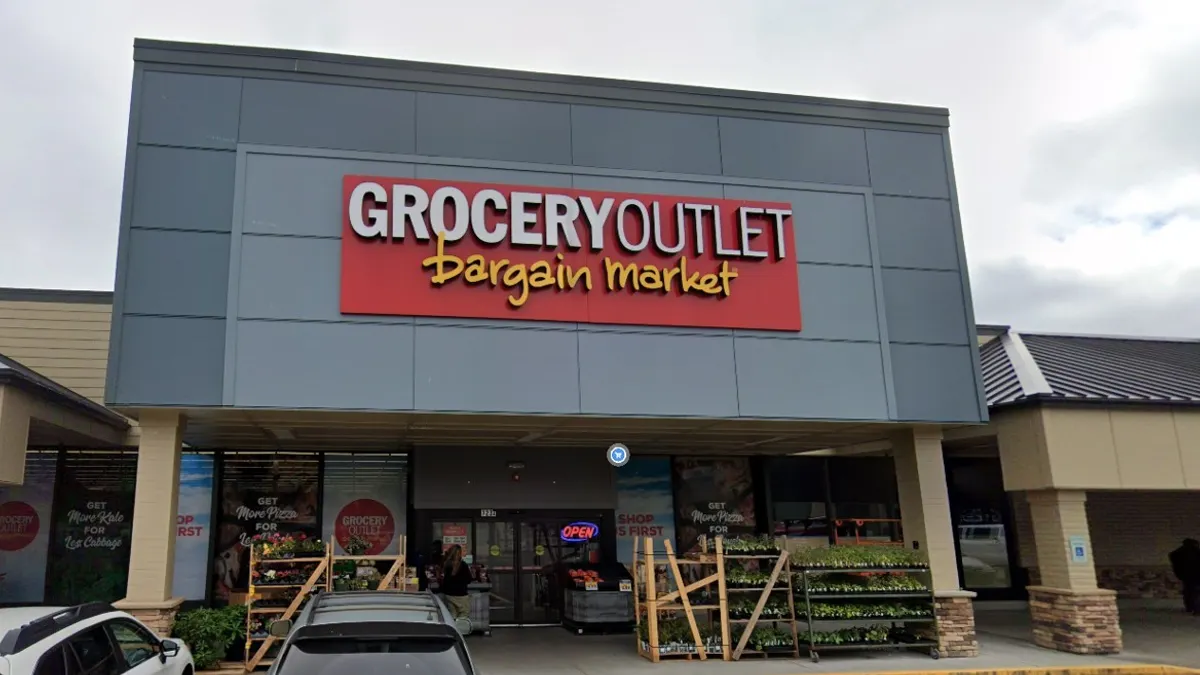
Sonja Noski, who owns and operates a Grocery Outlet store in Puyallup, Washington, with her husband, also said facial recognition has helped reduce theft in her store.
“When [people] steal, they’re stealing personally from my husband and I and my team and my family. So it’s a very personal thing for me,” said Noski.
Like Fiesta Foods, Noski’s store uses SAFR Guard, whose developer sponsored the session.
Noski said she confronts people who the system has identified as shoplifters and asks them not to return, describing how she told one shopper who tried to enter that the system had conclusive proof that he had previously stolen goods from the store.
“I said, ‘You're not welcome to shop here.’ And he's like, ‘Oh, that was me?’ And I was like, ‘That was you.’ And he goes, ‘Yeah, maybe I remember.’ And I said, ‘So please get out.’’’
Moreno noted that SAFR generates a detailed report each month that shows the amount of money Fiesta Foods likely would have lost given the number of people it helped stop from shoplifting.
“Every month, we’re sharing with our stores, this is safer, and this is how many dollars we actually prevented from walking out,” he said.
Noski and Moreno both said they use signs to disclose to shoppers that they capture images of people’s faces as they walk into their stores, adding that they have had to assuage concerns among customers uncomfortable with having their facial information recorded.
“I was talking to a customer, and he was like, ‘So I noticed you’ve got a sticker on your door that says you have facial recognition.’ And I said, ‘Yeah, you know it’s actually working really well for us,’” Noski recalled. “He said, ‘You know what, if it’s saving a small business from shoplifting and that cost, I’m all for it.’”
Moreno said he was able to convince a shopper who said he would not return because Fiesta Foods uses facial recognition technology that the retailer’s only intent with the system is to improve safety in the community, even taking the customer to breakfast to speak with him.
“By the end of the day, he was shopping back in the store, and that made me very, very happy,” Moreno said.
Noski and Moreono both said the facial recognition systems in their stores also provide the benefit of allowing them to track when employees show up for work.
“I can always look at it and see who's late, because it tells me when they walked in the front door,” said Noski. “And so I sometimes use that … to see who’s on time.”
While Moreno and Noski said they have been able to convince shoppers of the value of facial recognition, the technology has been a public relations headache for Wegmans. The East Coast chain faced backlash last month following media reports that it uses facial recognition to “help identify individuals who pose a risk to our people, customers, or operation” in a small number of its locations, including stores in New York City.