Pardon the Disruption is a column that looks at the forces shaping food retail.
Amazon’s track record of running retail stores so far has been pretty underwhelming. But could its recent digital innovations help turn the tide as it strives to get better at grocery?
In the past several years, the e-commerce goliath has launched and closed down a bookstore chain, apparel shops and whatever you’d call those 4 Star locations. Amazon Go, which was supposed to revolutionize convenience retailing with frictionless checkout, has about a dozen locations. None of this seems to bode well for Amazon’s latest planned foray: a 225,000-square-foot store that looks like it will aim squarely at its longtime nemesis, Walmart.
Not that any of this bothers Amazon, which embraces failure as a key step toward future success. Founder Jeff Bezos famously said that companies should be ready to fail nine out of 10 times if it means they can get one big payoff. By that measure, Amazon still has room to play around with physical retail formats.
The failure principle doesn’t work as cleanly for Amazon in grocery stores, however. That’s because the vast majority of consumers still do their food shopping at food retail outlets. If you want to succeed in grocery, as Amazon very much wants to, you can’t just operate online — or so the thinking goes. It’s why Amazon acquired Whole Foods Market in 2017. And it’s why Amazon debuted its midmarket grocery chain, Amazon Fresh, and has worked hard to update it.
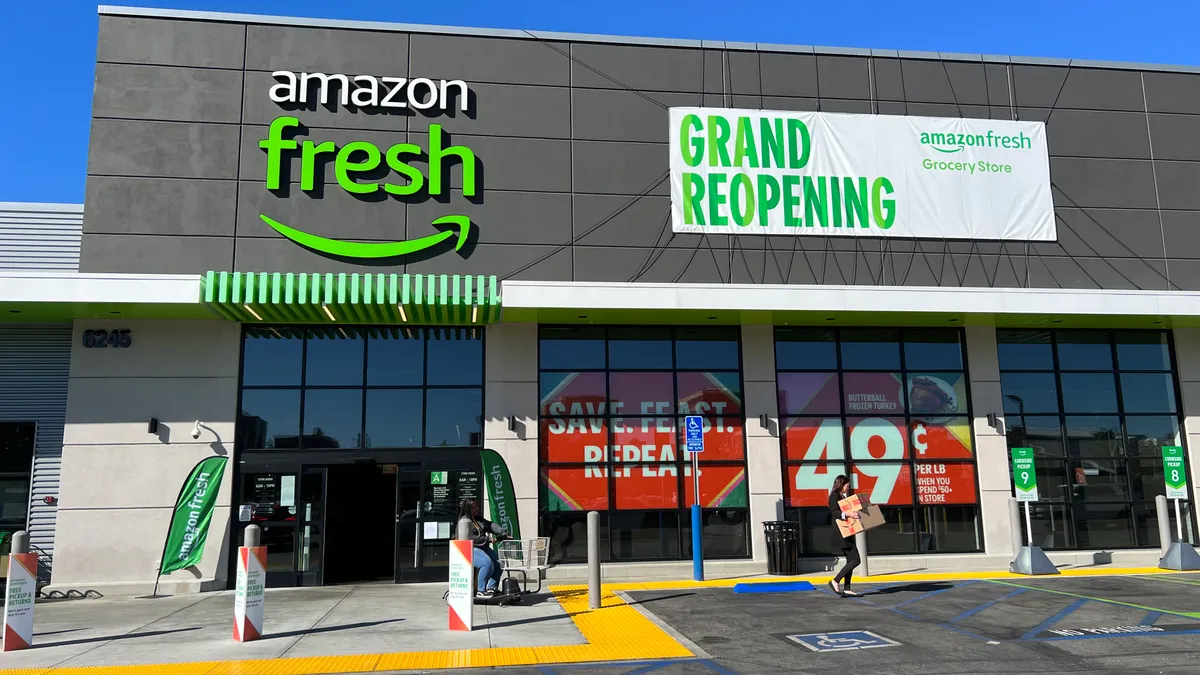
Whole Foods has grown under Amazon’s stewardship and will likely continue to do so. But more than five years after its launch, Amazon Fresh remains underwhelming. That chain’s stores — which only number around 50 — still feel like any B-level supermarket you’ve ever been in. Its lone differentiator is a smart cart that’s gotten more updates than my smartphone. Top leaders of the chain have come and gone, and competing grocers don’t seem to be very concerned about Amazon Fresh stealing away their shoppers.
What should Amazon do with its Amazon Fresh grocery chain? It either needs to make deeper adjustments and scale the brand, or it needs to cut bait to put its resources elsewhere. It can’t continue to run a middling operation with just a few dozen locations.
A year ago, I would have said making further updates was the only way forward for Amazon Fresh. But after a very interesting year of digital innovation for Amazon in 2025, I think option two is becoming a more viable way forward.
Building trust, one click at a time
After several years spent focusing on its stores, last year was all about e-commerce for Amazon in grocery. Its centerpiece innovation was adding perishables to its same-day delivery service in over 2,000 towns and cities — a move that effectively broke down the silo between its voluminous marketplace and its online fresh grocery business.
This is a service the industry hasn’t seen before. One of the biggest barriers to online grocery shopping is that it’s not built for the sort of fill-in shopping that so many consumers do. Who wants to pay a $10 delivery fee just to get a few extra ingredients for dinner? Amazon’s same-day service allows consumers to add incremental fresh products to their non-food orders without imposing steep fees. The other day, I was ordering a pack of batteries and laundry detergent on Amazon and realized we needed eggs. That’s the sort of quick shopping mission that Amazon is uniquely set up to fulfill online with its enhanced same-day service.
Amazon hasn’t released sales figures for the same-day perishables program, but judging by the way top brass are talking about it, it’s exceeding expectations. During the company’s earnings call in October, CEO Andy Jassy — who rarely talks about the grocery business on earnings calls — gushed about the service while maintaining the company’s stance on running stores.
“It doesn’t mean that we won’t continue to experiment with other physical formats, but we’re on to something very significant with what we’re doing with perishables from our same-day facilities,” he said.
Jordan Berke, who follows Amazon closely as founder and CEO of Tomorrow Retail Consulting, said the service does indeed seem to be connecting with shoppers. He attributed this to a few factors, including the availability of Whole Foods private label products and the ability to add single items for delivery within a few hours.
“The indications we’ve gotten [are] that customers are responding much more favorably than Amazon forecasted they would,” said Berke.
It’s still too early to call Amazon’s same-day perishables program a success. Reaching that conclusion will depend on whether or not millions of shoppers trust the service enough to consistently use it, Berke said. Overcoming this “trust chasm” in fresh goods is a challenge that has long held grocery e-commerce back and kept people going to stores, where they can size up their produce and select the right cut of meat.
Another marker of success — and perhaps the most critical one — is if the service effectively nudges people to go from adding incremental fresh purchases to building large baskets and even doing most of their grocery shopping through Amazon. That’s still a tricky task right now, since Amazon still relies on a separate platform, Amazon Fresh online, to fill those large grocery orders.
But if Amazon does become a trusted grocery shop for millions of shoppers online, it probably doesn’t need to run Amazon Fresh stores.
“We would not be surprised if ‘26 is the year they pull the plug on [Amazon Fresh stores] and go all in on fulfillment-center-based fresh,” said Berke.
Amazon’s stores of the future
Amazon’s same-day perishables service underscores the company’s logistical might as well as its commitment to attacking price and convenience barriers in its core digital channel.
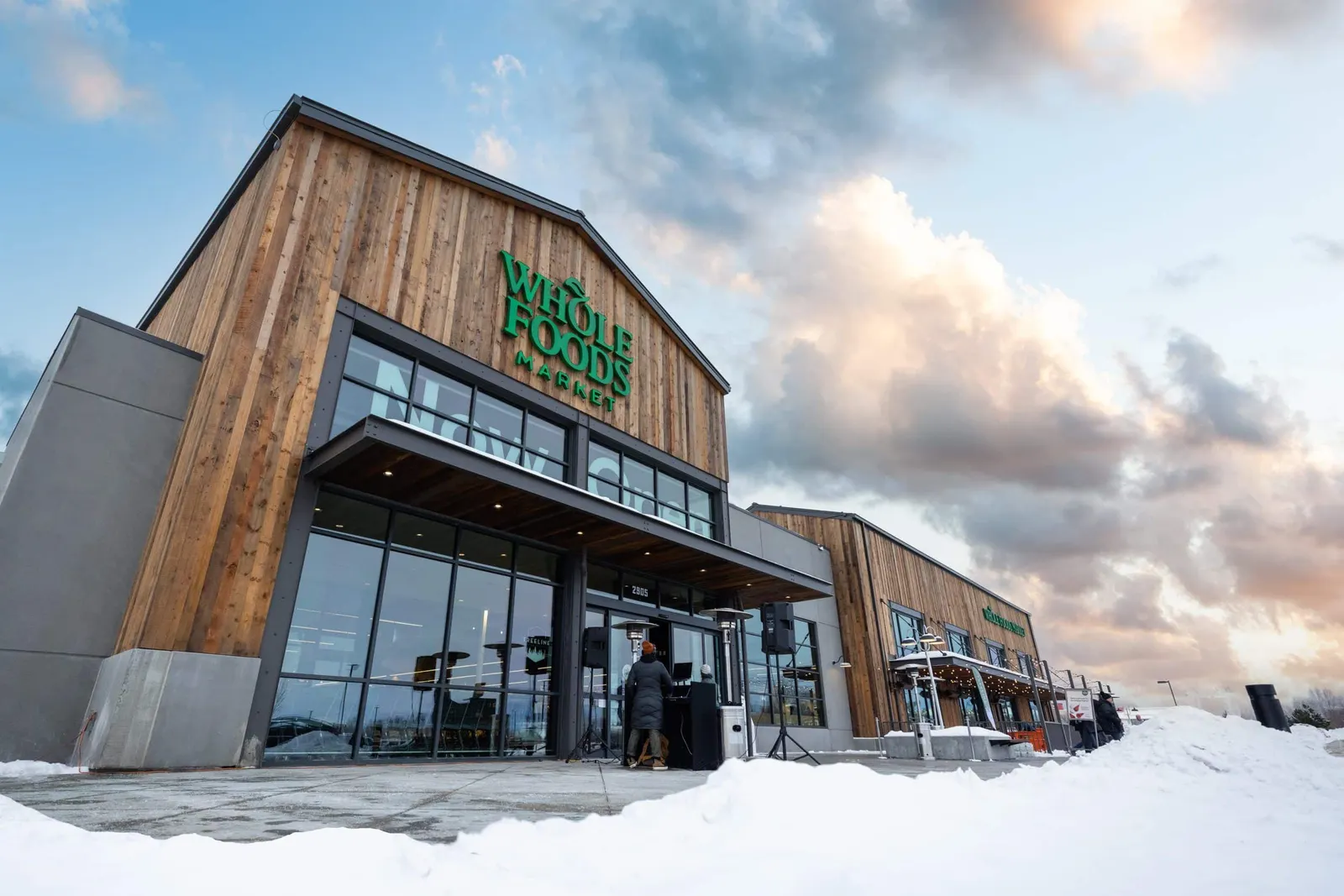
However, stores still have a role to play for Amazon — maybe even a major role. While Amazon Fresh seems to be teetering, Whole Foods has enjoyed considerable success under Amazon’s ownership and will continue to be an asset. The brand is valuable, its stores are in prime locations, the leadership team has valuable expertise Amazon can draw on, and the grocer’s store brands seem to be selling well on Amazon’s marketplace and online Fresh division.
I believe Amazon is itching to do more with connected stores beyond just smart carts and other checkout technology. It recently added a micro-fulfillment center in a Pennsylvania Whole Foods store that provides conventional products to shoppers who order via in-store QR codes. When Amazon announced this move last year, a lot of the discussion centered on Whole Foods incorporating the mainstream assortment it has typically banned from its stores. But I think this is more about Amazon testing in-store tech and expanding its assortment in stores. The concept brought to mind the Novastore, a separate store concept laid out several years ago by Alert Innovation (which Walmart acquired in 2022) in which customers shop perimeter departments and order center store items from a kiosk — an automated hybrid format that streamlines shopping and online order picking.
Amazon’s forthcoming big-box store could be the place to test out more of this kind of automation and digital touchpoints alongside online fulfillment. In documents to the city of Orland Park, Illinois, Amazon said the store will offer pickup and delivery. Berke believes Amazon will dedicate a significant amount of space to e-commerce fulfillment. It could also use the space to showcase products that people can purchase on its marketplace.
“Our thesis is that Amazon is likely going to use much more of the space for actual warehousing than it being a traditional retail format,” said Berke. “Walmart stores are about 85% sales floor, 15% back of house, and I’d expect this building to probably be more like 60/40, maybe 50/50. It’s really intended to give them space for a couple hundred thousand SKUs of fulfillment space where they can get two-hour or faster delivery on a much bigger assortment.”
Walmart has set a high bar for large, digitally connected stores over the years, and Amazon may struggle to meet it, at least initially. But I don’t think Amazon is just trying to compete with Walmart. It’s continuing to probe how physical stores can fit into its ecosystem and work alongside its online properties.
Grocers may be feeling a bit of schadenfreude — that’s the German word meaning pleasure in the misfortune of others — as they watch the world’s largest e-tailer fumble its way through physical retail. They should stay vigilant, however. Amazon may never be a great brick-and-mortar grocer, but it could still be an excellent omnichannel grocer.