The Friday Checkout is a weekly column providing more insight on the news, rounding up the announcements you may have missed and sharing what’s to come.
Establishing a new grocery chain in the U.S. is incredibly challenging. Just ask Fresh & Easy, the West Coast venture founded by Tesco that went bankrupt more than a decade ago. Or Lidl, which has cycled through CEOs and made numerous strategic adjustments as it tries to strike the right chord with stateside consumers.
These retailers have found it’s difficult to convince shoppers to frequent their stores instead of the ones they already visit. American consumers are creatures of habit, and established grocers have spent years honing their pitch to the people who live in their markets. To win over consumers, you have to offer something truly unique and valuable.
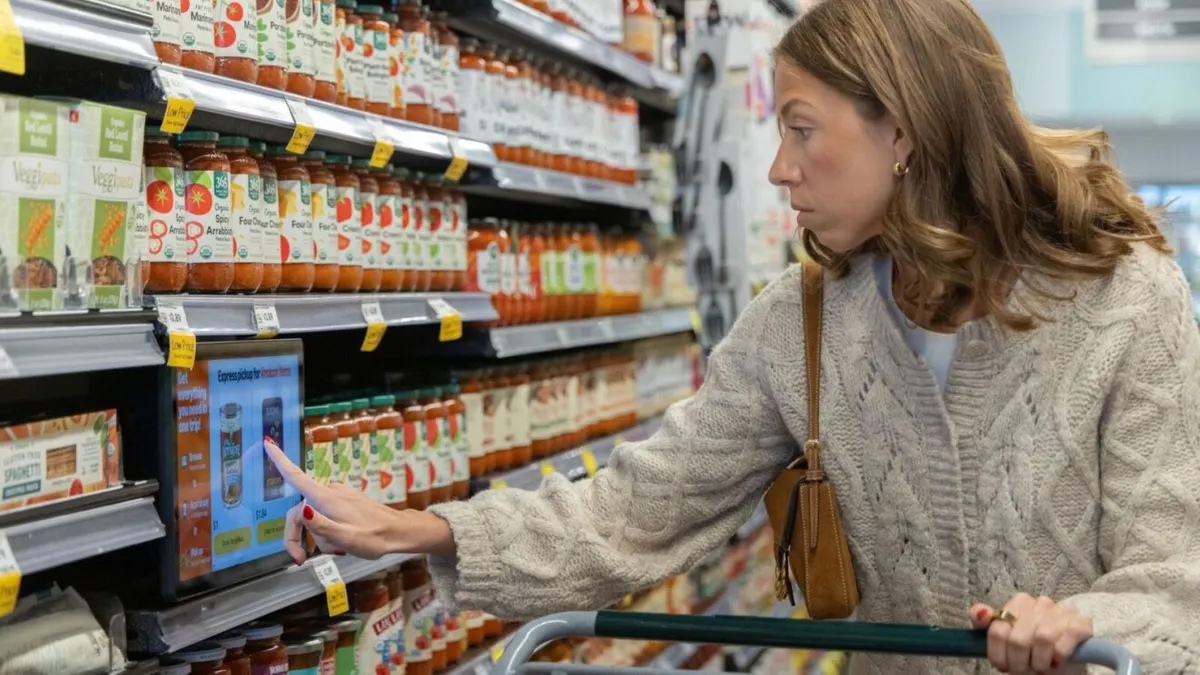
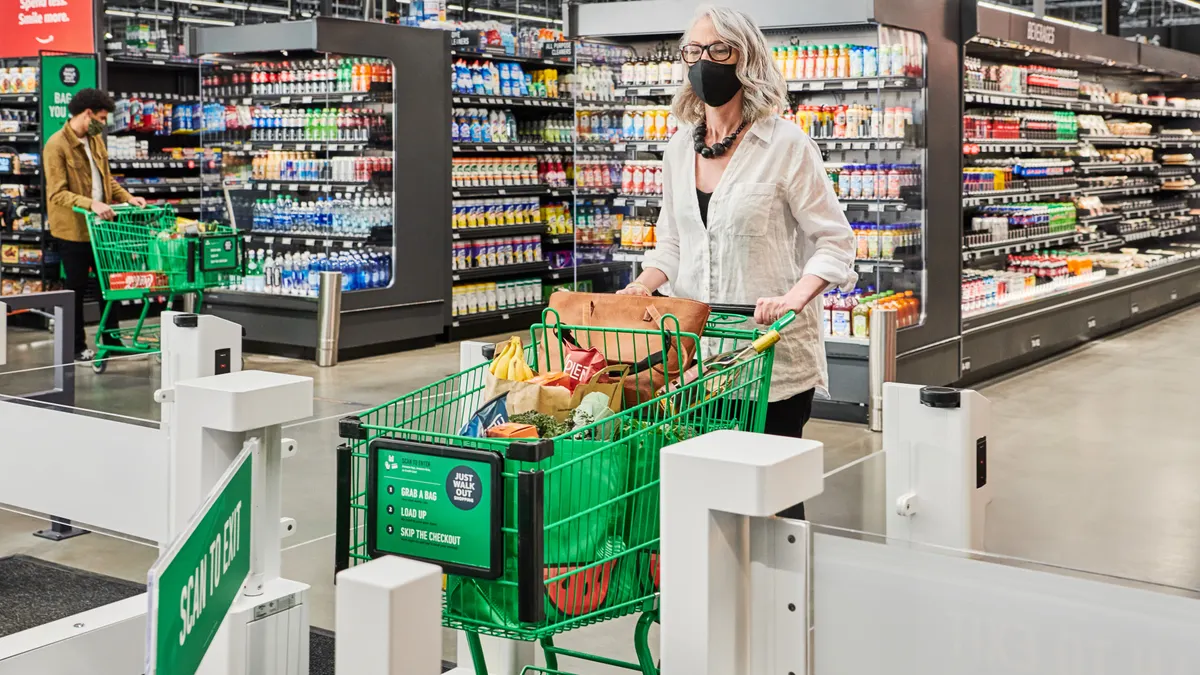
From this perspective, Amazon Fresh was doomed to fail. The chain, which opened its first store in 2020, made checkout technology its distinguishing feature. It bet that Amazon’s proprietary tech aimed at making checkout a breeze — including the Just Walk Out system and smart carts — would bring people in. When that strategy fell flat, Amazon Fresh didn’t have anything to fall back on.
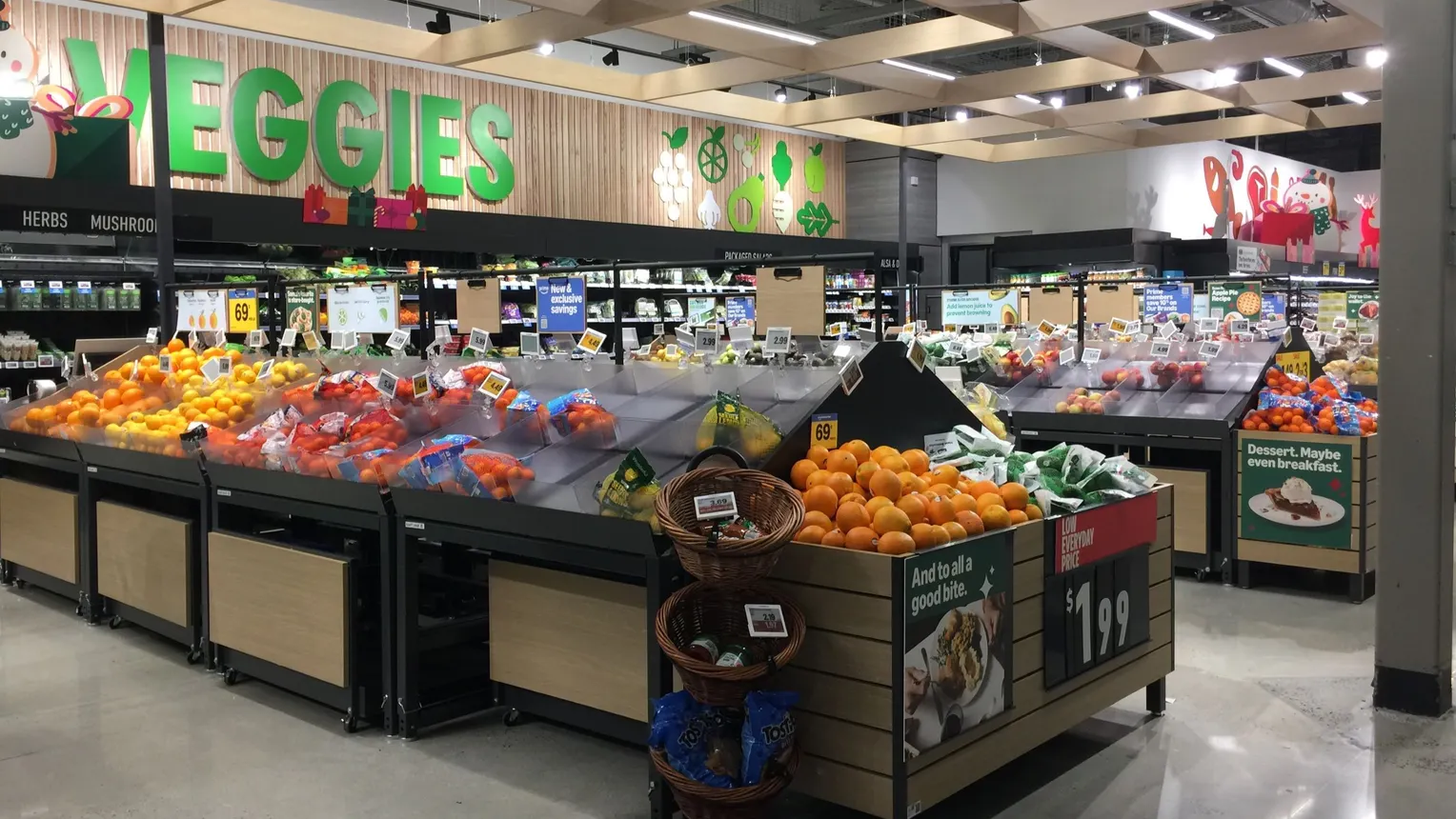
Perhaps if Amazon Fresh’s core shopping experience was less sterile-feeling and more enticing, it could have had a better run. But the chain didn’t even get the basics of food retailing right when it launched and had to hit the reset button about three years in.
Are all new grocery ventures bound to fail in the U.S.? Definitely not. Shoppers have shown in recent years that they’re willing to spend less at traditional grocery stores and more at specialty and discount stores. Witness the rise of Aldi, which essentially relaunched itself nearly a decade ago. Or Whole Foods Market, the chain that’s trying to show Amazon the way forward in grocery.
The problem with newcomers like Amazon Fresh, Lidl and Fresh & Easy is entrenched thinking. They believe that the strategies that have fueled their past success will extend to food retail success in the U.S. That’s a recipe for disaster in this rapidly evolving industry. America certainly poses unique challenges for retailers, but consumers are also hungry for a better grocery experience.
In case you missed it
Kroger cooks up protein-packed private label goods
The grocery company announced Thursday the addition of two dozen products to its Simple Truth Protein line. The new items, which include energy bars, beef sticks and cottage cheese, bring the private label brand to more than 110 offerings. The addition comes as grocers look to meet rising protein demands as more consumers take GLP-1s.
ShopRite locks in pricing on grocery staples
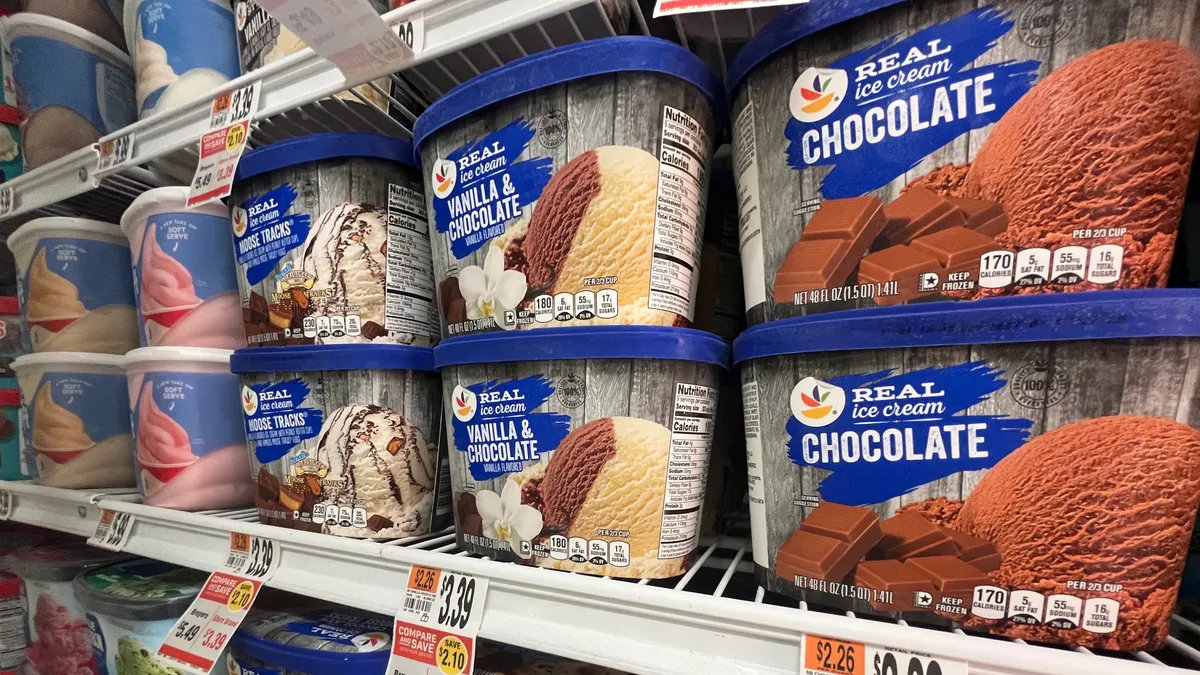
The East Coast grocer wants customers to know that the cost of certain food essentials won’t change anytime soon by putting “price locks” on thousands of staples. The pricing freeze, which started on Sunday and will last for several weeks, includes Barilla pastas, 12-packs of Belvita cookies, select Ben & Jerry’s ice cream flavors and Black Bear sliced deli meat. Customers can find the items through a dedicated webpage or by looking for bright blue tags in the stores.
Instacart grows its overseas presence
The grocery technology company is making good on its promise to further its reach outside the U.S. Instacart announced Friday that it is launching Costco’s first same-day delivery websites in France and Spain, building on the companies’ longstanding partnership.
The initial rollout includes delivery from all Costco locations in the two European countries. Instacart will power the technology and fulfillment, while Costco will own the member experience and customer relationship, according to the press release.
Impulse find
A flipping good Super Bowl commercial
Instacart’s 2026 Super Bowl commercial is off-the-wall crazy. And while it may not spend more than a few seconds highlighting groceries, technology, delivery or really anything Instacart is known for, it has Benson Boone and Ben Stiller performing as a “retro European disco-pop duo,” according to the advertisement.
It’s clear from this director’s cut of the commercial that Instacart wanted to create something showstopping. Though the two are ostensibly a sibling duo, Stiller begins feeling upstaged by Boone’s singing voice and flipping abilities. So Stiller tries some flips of his own.
Stiller’s stunt double deserves a raise, because he fully commits to not one, not two, but three unsuccessful flips plus a fall off the stage. Some jumps are off high platforms, some land him into sound equipment and another has him body slamming a drum set.
The commercial may not be about groceries, but it is certainly bananas.