Dive Brief:
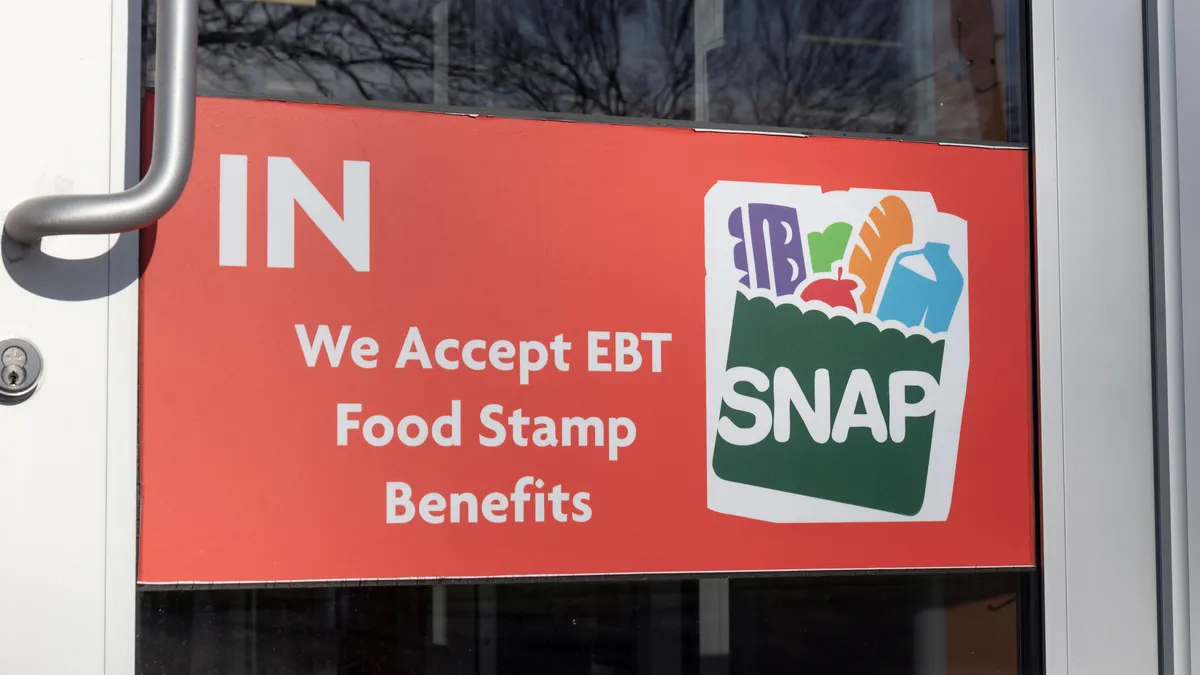
- Six more states have received approval for waivers allowing them to amend the statutory definition of eligible food under SNAP and exclude more products from the program, the USDA announced Wednesday.
- The additional states — Hawai’i, Missouri, North Dakota, South Carolina, Virginia and Tennessee — bring the total number of states with SNAP waivers to 18.
- As the Trump administration allows states to limit how consumers can spend their SNAP funds, the grocery industry has raised concerns that the state-by-state differences in SNAP eligibility will confuse SNAP consumers and burden retailers’ operations.
Dive Insight:
SNAP participants nationwide aren’t allowed to use their benefits to buy alcohol, tobacco, hot and prepared foods, and personal care products. The waivers allow states to exclude additional items like candy, soda and energy drinks from SNAP eligibility.
Nebraska, which became the first state to receive a SNAP waiver earlier this year, will no longer let people use SNAP funds to purchase soda and energy drinks starting Jan. 1, 2026.
Items barred from SNAP eligibility under the waivers vary from state to state. Some, like West Virginia and Utah, bar soft drinks or soda, while others prohibit a wider range of items. Florida is eliminating soda, energy drinks, candy and prepared desserts from SNAP eligibility, while Tennessee is restricting processed foods and beverages such as soda, energy drinks and candy.
18 states have received SNAP waivers
“While pilots and waivers may have an important role, it is critical not to create chaos and confusion both in individual stores and through a jumbled mixture of varying state requirements — creating new program inefficiencies, longer grocery store lines and customer frustration,” FMI President and CEO Leslie G. Sarasin, president of FMI—The Food Industry Association, said in a statement earlier this year.
The National Grocers Association has said that “impacts of all waivers should also be thoroughly evaluated during and after implementation to determine whether their goals are being met without negatively affecting access to nutritious food.”
Supporters of the waivers have said that they will help SNAP consumers make healthier food purchases.
“America’s governors are answering that call with courage and innovation, offering solutions that honor the generosity of the taxpayer while helping families live longer, healthier lives,” Agriculture Secretary Brooke Rollins said in a statement. “With these new waivers, we are empowering states to lead, protecting our children from the dangers of highly-processed foods, and moving one step closer to the President’s promise to Make America Healthy Again.”