Dive Brief:
- Rapid delivery has evolved into a “mainstream fulfillment option,” Coresight reported in its latest U.S. online grocery survey.
- More than one-third (37.9%) of surveyed online grocery shoppers reported that they conducted “most” or “all, or almost all” of their digital grocery shopping with a rapid delivery service over the past year, signaling that this fulfillment method is increasingly being used for routine grocery shopping, according to the report.
- Coresight advised retailers to continue positioning their rapid delivery service as a full-basket shopping option in order to capitalize on the growing use of the service.
Dive Insight:
Delivery has been a fulfillment frontrunner in online grocery for some time, and now rapid delivery is further strengthening the digital channel’s appeal, Coresight reported in its latest US Online Grocery Survey, which included input from more than 2,000 consumers.
The speedy fulfillment method has garnered a loyal user base, with most consumers either maintaining or increasing their usage over the past year, per the report.
A significant percentage of consumers say they’re increasing their use of rapid delivery.
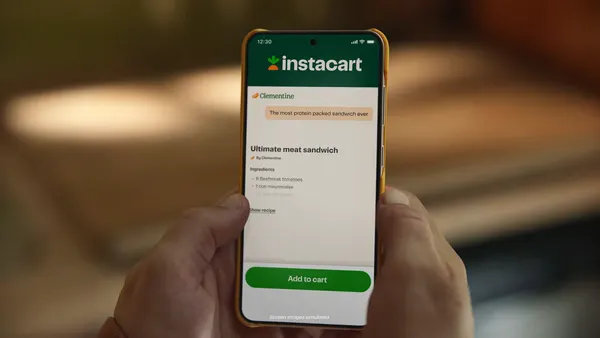
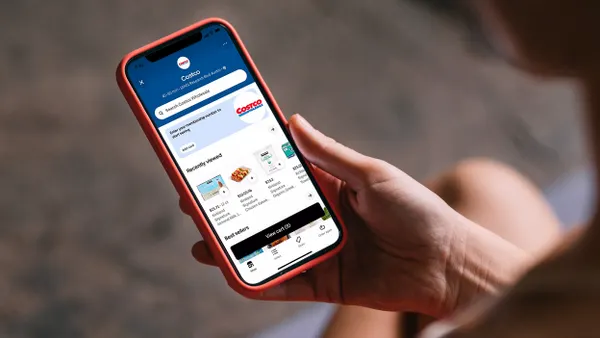
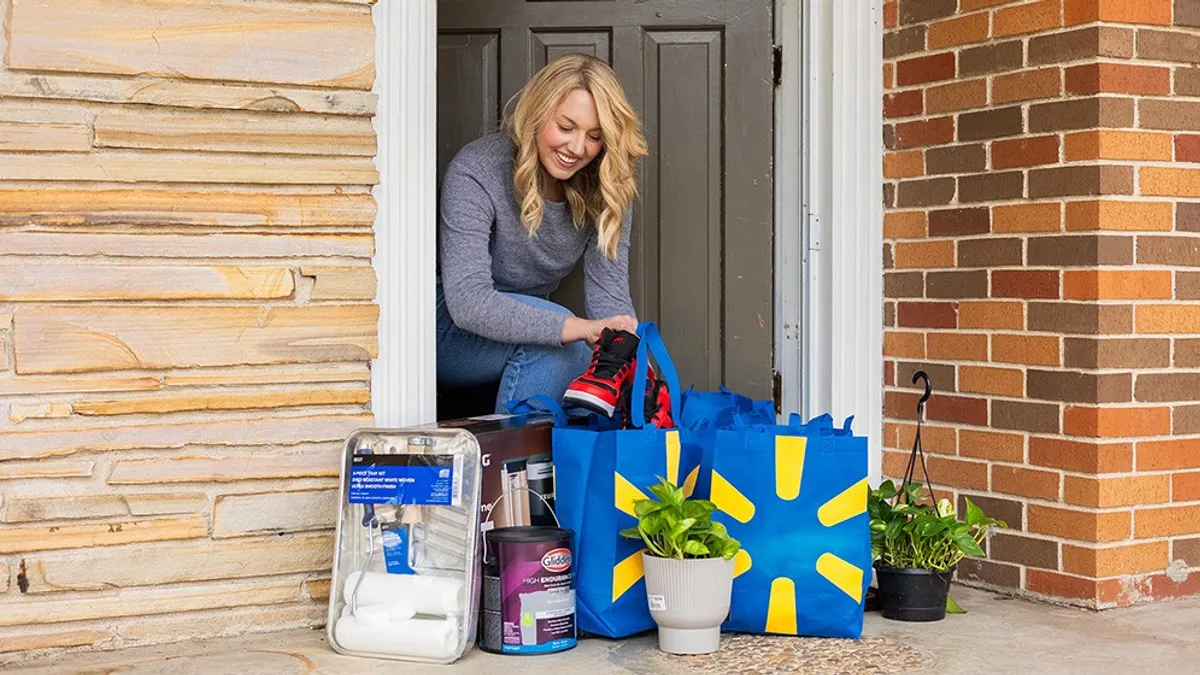
Retailers have linked up with tech platforms like Instacart and DoorDash for speedy delivery, while major players Walmart and Amazon have their own quick delivery services. Walmart Express is the most-used rapid delivery service, a title it has held since 2023, the report noted. While Instacart’s user percentage has remained in the 40s since 2023, DoorDash surpassed it for the first time this year, reporting a 45.2% respondent usage compared to Instacart’s 43.9%.
Coresight noted that Amazon’s rapid delivery posted “one of the strongest rebounds,” jumping to 42% respondent usage in 2026 from just shy of 35% respondent usage in 2025. This tracks with the numerous omnichannel initiatives Amazon rolled out in the first half of 2026 and early 2025, including the expansion of its 30-minute delivery service.
Just as rapid delivery isn’t only for time-crunch situations anymore, the items shoppers are purchasing through rapid delivery now cover a full spectrum of household essentials, Coresight reported.
Packaged non-fresh food topped the list, with nearly 53% of respondents saying they have purchased these items over the past year, while just over half say they’ve purchased fresh fruit and vegetables, and 49% have bought fresh dairy, meat, fish or eggs. These high marks indicate consumers’ growing trust in rapid delivery for their perishable goods, Coresight noted.
Shoppers are drawn to the speediness of rapid delivery because a shorter fulfillment window means the freshness and quality of their products are better preserved, according to the report. It also allows them to replenish fresh foods more frequently without a dedicated store trip.