More than a Store is a regular column that delves into the experiential side of grocery retailing.
From panels at trade shows to what seems like a never-ending parade of store remodels, grocers love to highlight how they are elevating the in-person shopping experience as a competitive differentiator.
Their efforts feel especially relevant now as Walmart engages in an aggressive store-remodeling project and Target rolls out more locations with its newest “food-forward” selection. Both mass retailers clearly want to make their stores inviting places to shop, not just by leaning on their long-held advantage of offering a wide assortment of general merchandise items along with grocery essentials, but by showcasing them as places where shoppers can discover trendy food items and seek out meals.
The retailers’ stores look nicer too, from brightened lighting at remodeled Walmarts to snazzy seasonal displays at Target.
Grocers seem to be taking notice. Ahold Delhaize has heavily invested in Stop & Shop remodels in recent years to help improve the banner’s financial performance. Similarly, Grocery Outlet is dialing up remodels to boost its financials. Albertsons has highlighted store upgrades as a key part of the over $1.8 billion it spent on capital expenditures during fiscal 2025 and of the at least $2 billion the grocer plans to spend this year.
But while grocers love to show off their glossy new looks, there seems to be less chatter industry-wide about upkeep and maintenance. Unveiling a location that is spotless and organized is one thing. Keeping it looking its best, though, takes staffing, financial investments and sometimes even floor-cleaning robots — an effort that not all grocers seem to have prioritized.
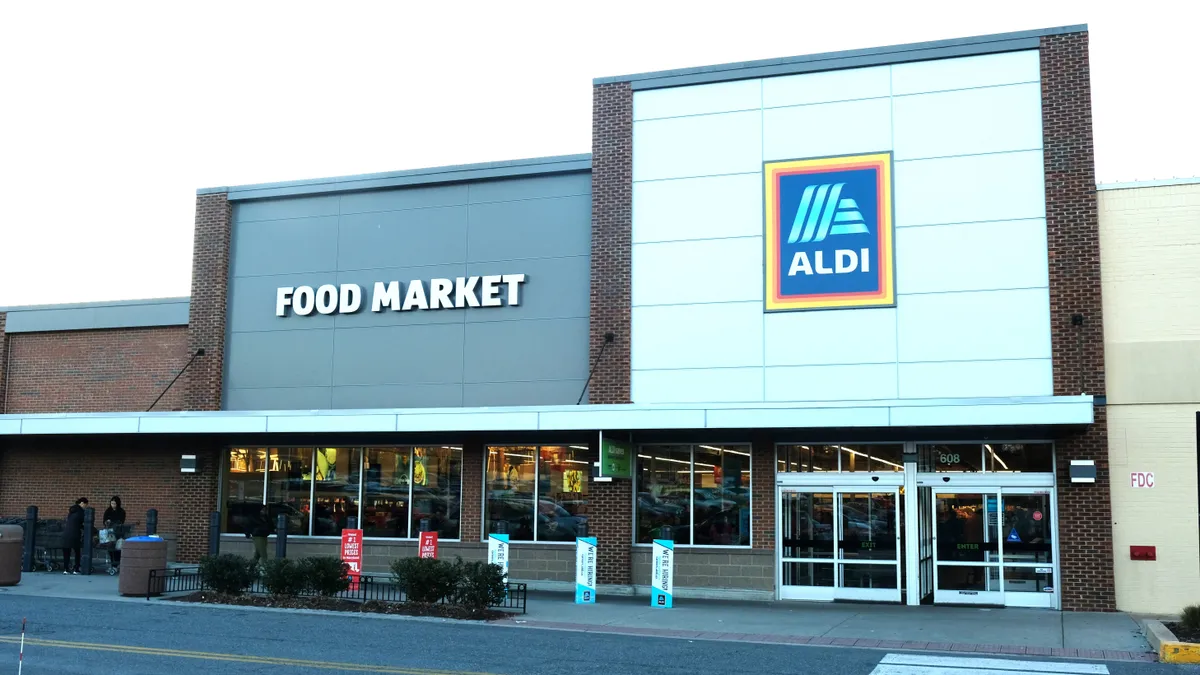
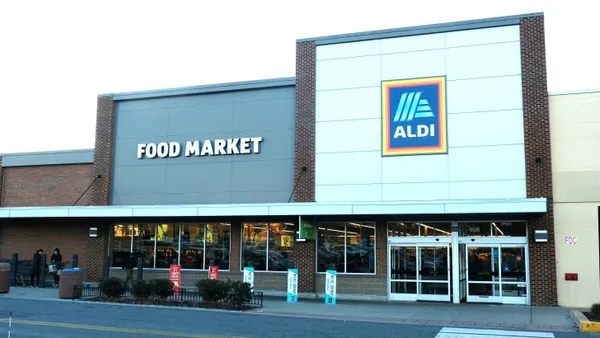
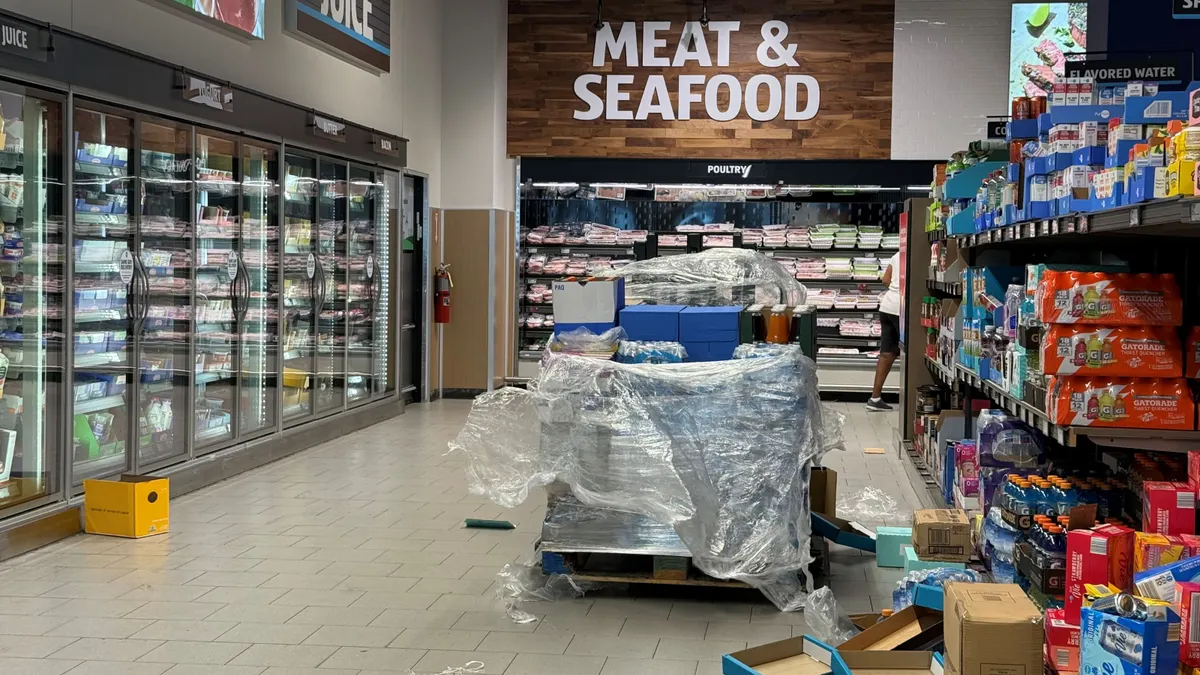
An Aldi store in the Washington, D.C. area that opened in 2024 had clean aisles when I first visited in early 2025. But when I shopped there last week, the store had smeared berries, half-unpacked pallets and boxes littered across the sales floor.
My visit to a pristine Grocery Outlet store that opened in Virginia earlier this year hasn’t replaced the memory of the first Grocery Outlet I visited a year prior in California, where odors assailed my nostrils and the messy aisles — featuring turkey packages and potatoes strewn among the eggs — made for an unpleasant shopping experience.
The value of squeaky clean
At the risk of sounding obvious, cleanliness in stores where people buy food is important.
In a survey by FMI - The Food Industry Association of just over 2,000 shoppers in early February, 73% said that shopping in a “clean, neat store” is very or extremely important to them, making that the No. 1 characteristic they value in stores. When looked at by retailer type, cleanliness was one of the top five attributes that customers picked across supermarkets, mass retailers and club stores, FMI found.
FMI’s research suggests that how shoppers prize cleanliness, though, varies by the type of retailer they shop.
A higher percentage of consumers said they would drive beyond their closest food retailer to visit a supermarket for a cleaner, neater shopping experience than those who said they would do the same for a mass retailer or club store.
Low prices, unsurprisingly, are a top reason people cited for driving farther to buy groceries at a mass retailer.
So for supermarkets, it appears that neatness is the name of the game to stay relevant with shoppers.
When do shoppers embrace the mess?
Going back to my Grocery Outlet and Aldi experiences, though, I wondered how discount grocers factor into the shopper psyche around store appearances. While I wasn’t wowed by that initial Grocery Outlet trip, I wondered if maybe that was beside the point since discount grocers offer such low prices at a time when high food inflation and gas prices are stressing consumers.
The FMI research didn’t specifically cover discounter grocers, the likes of Aldi and Lidl, so it’s unclear how those retailers’ fixation on low prices influences customers’ perceptions of cleanliness or if they even inspire different shopper standards. Recent research by Alvarez & Marsal found that more than two-thirds of 2,100 consumers polled in February perceive low-price grocers as being as clean as traditional grocers.
Because discount grocers often rely on lean operations to eke out steep savings for customers, I think shoppers are more understanding when a store’s appearance ends up sacrificed at the altar of low prices.
I vividly remember my colleague Sam Silverstein telling me about his interview last summer with then-Lidl US CEO Joel Rampoldt, who answered a question about store messiness by pointing out how the discounter helps customers save money. Rampoldt noted that stocking by cases rather than by individual items improves efficiency in a way that shoppers don’t mind.
“My view on this, and everyone will form their own opinion, but having our fresh peaches, which are in season now, in a case like this, there's absolutely nothing wrong with that,” Rampoldt said, gesturing to a case while walking through a store in Chantilly, Virginia. “The consumer is not losing anything, but what we gain is enormous efficiency.”
Thinking back on my Aldi shopping experience, I do tolerate unkemptness at a retailer where I feel like I’m saving a considerable amount of money. At grocers where I expect experiential shopping, I have higher standards for how a location is maintained.
As grocers continue to roll out remodels and open new stores, they should look to their most well-groomed competitor to set the bar for store upkeep. It’s not about who can open the prettier store, but about who will properly maintain their location for the long term to forge those lasting ties with customers.