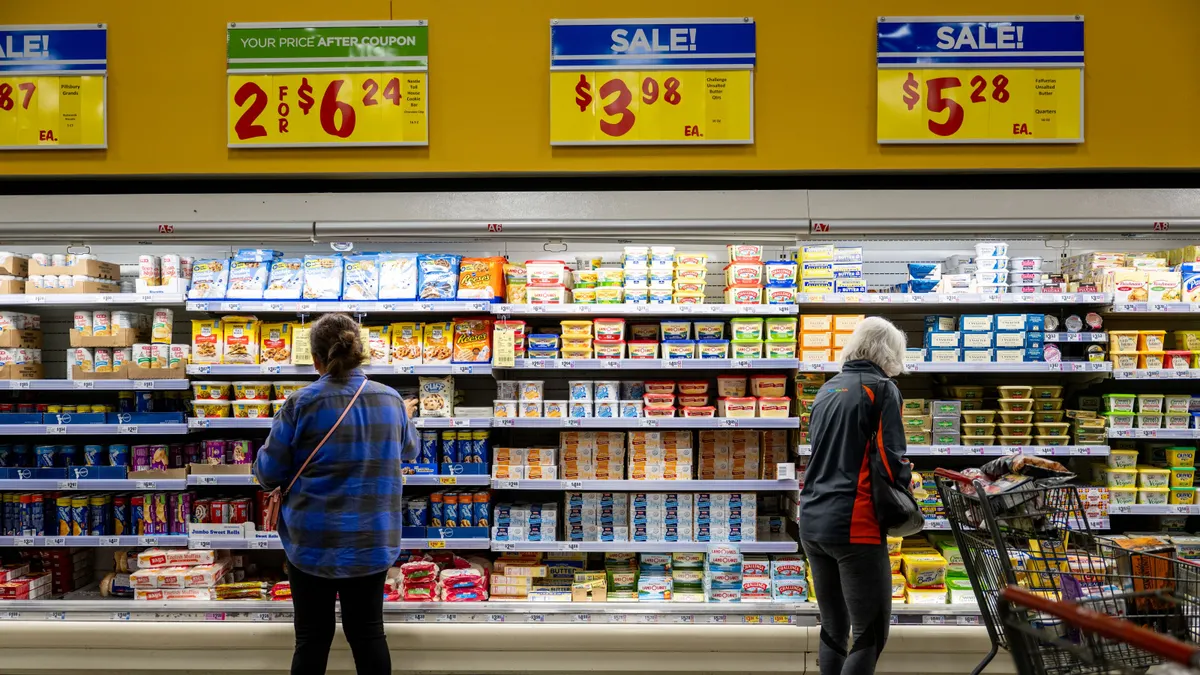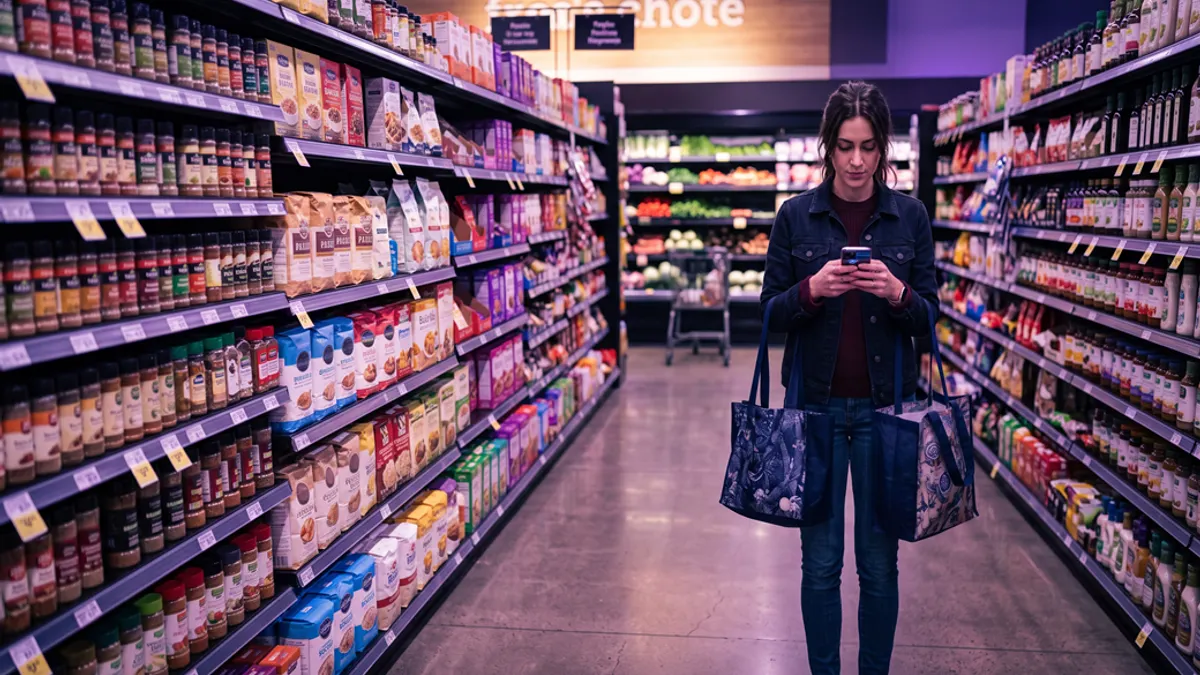

For decades, grocery retail engineered product discovery with a precision that most industries never matched. Every endcap placement, shelf sequence and promotional mechanic was a deliberate act of commercial architecture. A shopper who came in for milk left with three things they hadn't planned on buying. That wasn't an accident. It was infrastructure.
The question grocery brands need to answer now is whether the infrastructure they built translates to the discovery environment that's replacing it.
Shoppers are increasingly beginning their grocery and meal-planning decisions in conversation with AI. Not searching. Not scrolling. Asking. What's a good weeknight dinner that uses what I have? What's a high-protein option under 500 calories? What can I make in under 30 minutes that my kids will eat? Those questions are being answered by AI platforms that return a shortlist, not a search results page. And the brands, products and retailers surfacing in those answers aren't necessarily the ones with the best product. They're the ones the AI knows how to talk about.
That is a meaningful shift in how discovery works, and it carries the same structural stakes as every prior channel transition grocery has navigated.
When product discovery left the store
The product discovery system grocery built worked because brands and retailers controlled it. Slotting, placement and promotional mechanics were negotiated, managed and measured. The shelf was a governed environment.
AI-generated discovery is not. When a shopper asks an AI assistant what pasta sauce to buy, or which grocery retailer to order from, the AI draws on whatever information it has access to, weighs it against its own relevance criteria and returns a recommendation. Brands don't buy the endcap. They either show up or they don't.
According to a January 2025 consumer survey commissioned by Rezolve Ai and conducted by Method Research among 1,500 US consumers, a significant portion of shoppers are already using AI platforms as part of their discovery and purchase decision process. That number is growing, and it is growing fastest among the demographic cohorts that will define grocery revenue over the next decade.
The implication for grocery brands is the same one that defined the transition to digital search two decades ago: visibility in the new discovery layer is not automatic, and it does not follow from visibility in the old one.
What the old playbook doesn't cover
Grocery's institutional knowledge about discovery is genuinely valuable. The category understands basket architecture, impulse behavior and the relationship between placement and conversion better than almost any other retail vertical. That expertise is transferable in principle.
In practice, the transfer requires deliberate work. Being discoverable to an AI platform is not the same as being discoverable to a shopper walking an aisle or browsing a digital shelf. AI systems don't read packaging. They don't respond to promotional displays. They surface what they can verify, contextualize and recommend with confidence. Brands whose product information, nutritional data, sourcing claims and contextual attributes are structured for AI retrieval will appear in that shortlist. Brands whose information exists primarily in formats optimized for traditional search or in-store presentation may not.
This is not a technology investment story in the conventional sense. It is a discoverability infrastructure story. The grocery brands that moved first to build strong digital shelf presence in the early years of e-commerce didn't do it because they saw the future precisely. They did it because they understood that discovery infrastructure has always required proactive investment, and waiting to see where things land is not a neutral position.
The series starts here
AI-driven discovery in grocery is still early enough that the decisions made now will shape competitive position for years. The brands building visibility in this layer today are establishing an advantage that will be structurally difficult for late movers to close, for the same reason that loyalty data advantages and digital shelf dominance compounded over time.
In the articles that follow, we'll examine what grocery brands are finding when they audit their current AI visibility, where the gaps are concentrated and what the path to closing them looks like in practice.